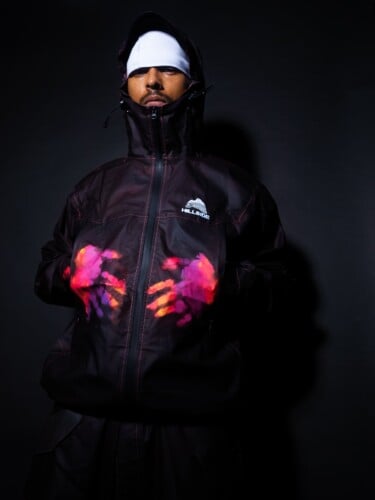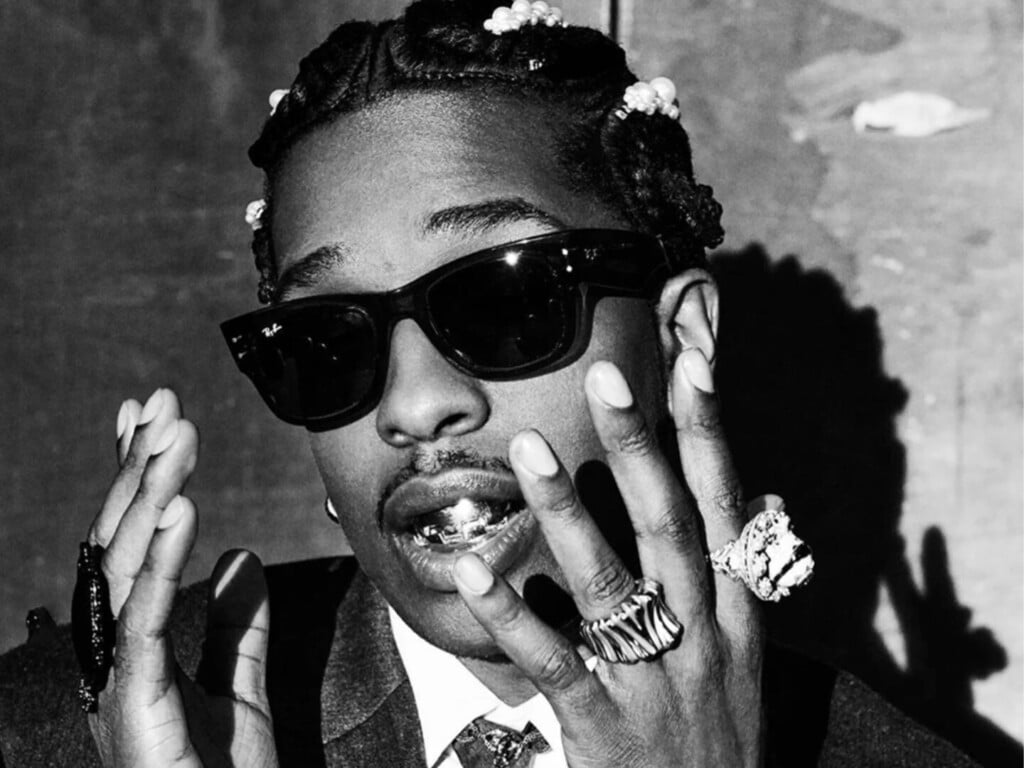
When, a few months ago, rapper A$AP Rocky was named creative director of Ray-Ban, the news came as little surprise. For years, his figure has gone beyond that of a musician or celebrity: he is a cultural reference point for a generation and for several segments of the creative industry. The capsule he designed for Ray-Ban reflects a precise aesthetic: ’90s vibes, hip-hop references, and a visual narrative consistent with his own universe. It’s not just about sunglasses, but a true cultural manifesto.

His appointment is just one of the latest examples of a growing trend: the entry of artists into the role of creative directors within major brands. A role that no longer stops at promoting a product, but involves direct participation in building the brand’s image and codes. What changed the rules is the evolution of fan culture. If in the past it was brands that imposed tastes and trends, today it’s communities that influence aesthetic choices, often born online and fueled by social media.
Artists like A$AP Rocky, who started as fans and collectors and became curators and then trendsetters, embody this shift. And as Hypebeast points out, “It takes more than star power to truly succeed”: fame alone isn’t enough to succeed as a creative director — vision, taste, and aesthetic ability are essential.
A$AP Rocky’s case isn’t isolated. The relationship between fashion and fan culture has long been explored by Kanye West, who anticipated the trend with Yeezy, a brand that significantly impacted streetwear. Pharrell Williams was chosen by Louis Vuitton to lead the menswear line, and his first show on the Pont Neuf in Paris was designed as a global event.

Rihanna founded Fenty, becoming the first Black woman to lead a fashion house under the LVMH group. Beyoncé collaborated with Olivier Rousteing on a couture collection inspired by her album Renaissance, blending Blackness, queer culture, and high fashion.

Tyler, The Creator built a strong personal identity with Le Fleur*, leading to collaborations with Converse, Lacoste, and Louis Vuitton. Lady Gaga, with Haus Labs, and Rosalía, through projects with Acne Studios and New Balance, also show how the line between artist and brand designer has been blurred. It’s no longer just about lending a face, but about shaping a vision and building a world fans recognize and want to be part of.

Fashion is redefining who can lead creativity, thanks in part to the power of fan culture. No longer just academically trained designers, but also artists with a clear vision and solid fanbase. Commercial pressure, the need for innovation, and the demand for shared narratives are pushing brands to involve figures who can truly speak to communities.
Yet a question remains: do these figures, often lacking traditional professional training, risk devaluing the role of the creative director? Leading a brand takes more than good taste — it requires coordinating teams, planning collections, understanding fabrics, managing heritage, and facing sustainability challenges.
As Vogue Business notes, “Give new creative directors time to establish their vision”: success isn’t measured in likes or instant sell-outs, but in the ability to sustain coherence, vision, and production over time. That’s why this evolution, while promising, requires a delicate balance between popularity and substance.