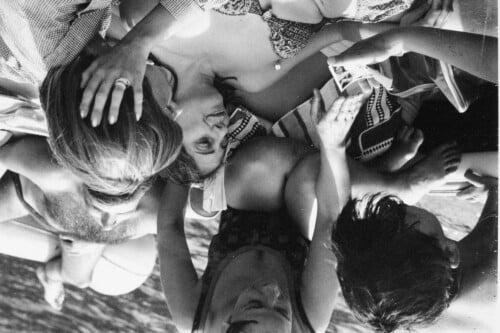
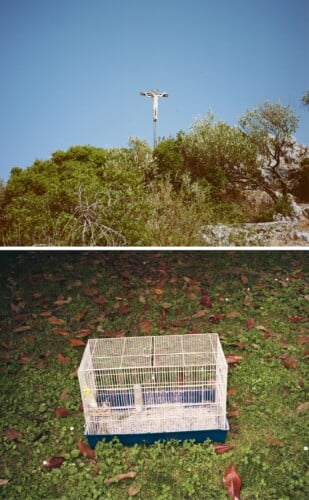
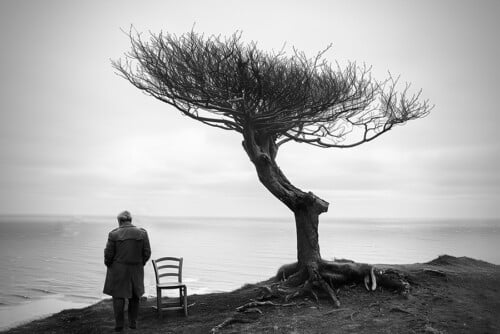
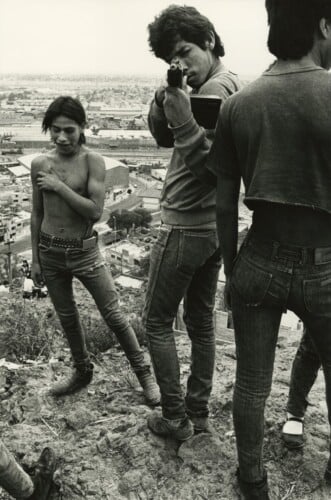
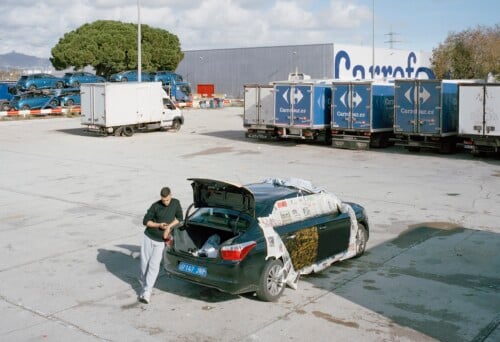
In the photography of Graham Smith, the act of shooting is never just about images, but about posture, distance, and how you place yourself in the world. For years, that positioning passed through serious camera bodies, heavy bags, interchangeable lenses: a professional aesthetic that didn’t only serve to produce photographs, but also to define an identity. Working in music photography, that gear was an integral part of the job, almost a uniform. Over time, though, Smith realizes that all that equipment had been doing something quiet but decisive: it was building a barrier between him and whatever was in front of him.
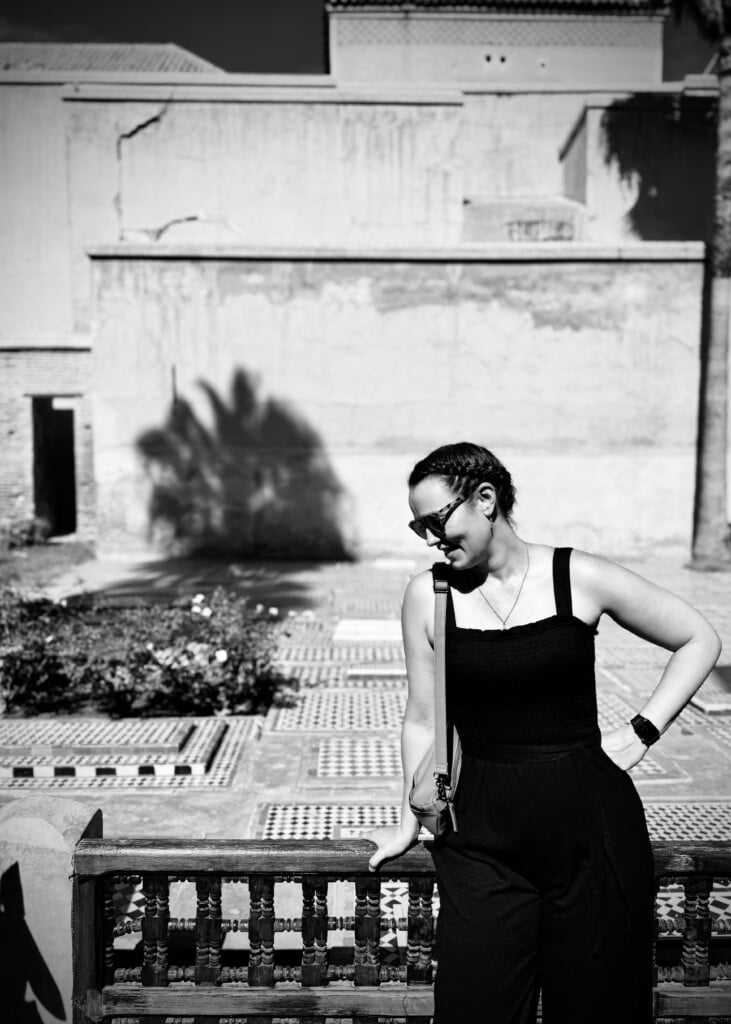
The switch to a smartphone doesn’t begin as a manifesto, but as a sideways curiosity. A lightweight tool for the in-between moments, for days when he didn’t feel like carrying everything on his back. It’s precisely in that grey zone that something starts to shift. Pointing a big camera at someone immediately changes the atmosphere: the gesture becomes declared, the scene stiffens, the photographer steps out of the flow to “take a photo.” With a phone, that gap narrows.
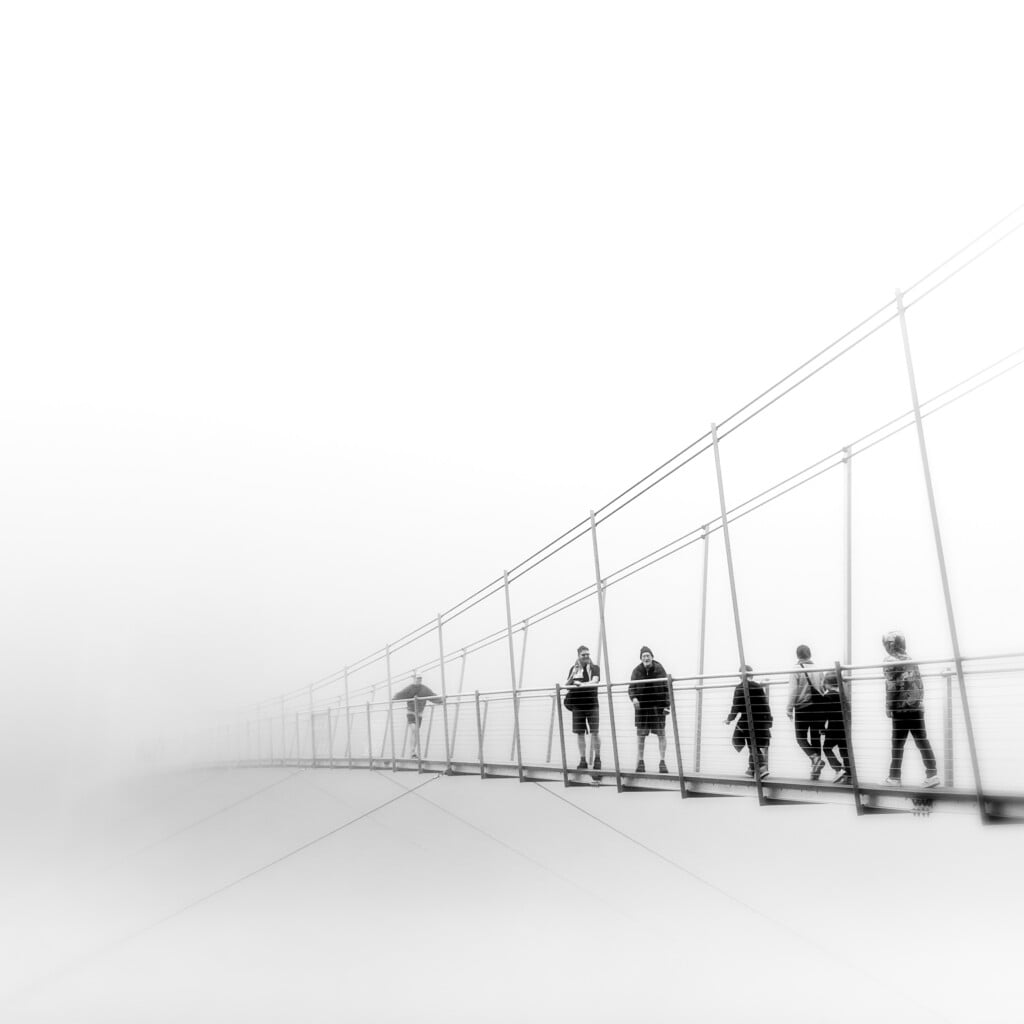
There’s also a less comfortable realization that arrives along with this lightening of the load. The gear had become a crutch. Constant upgrades, new lenses, small technical improvements that gave the illusion the work was growing too. Using only a phone removes that alibi. What’s left is instinct, timing, the choice of where to stand and when to shoot. No technological filter to protect wrong decisions or missed intuition.


At a certain point, the images stop feeling like a compromise. If anything, they become more direct—closer to how moments are actually lived, not how they “should” look in photography. That’s when Smith understands he’s crossed a threshold. He sells his larger cameras and decides to work this way, without going back.


Today his camera is his smartphone. No ritual, no solemn preparation. Photography folds back into life instead of staying separate from it. The images that come out of it don’t just tell the story of a change in tool, but above all a change in mindset: a closer, less mediated way of looking, one that accepts the fragility of the moment as an essential part of the narrative.


ph. courtesy of Graham Smith