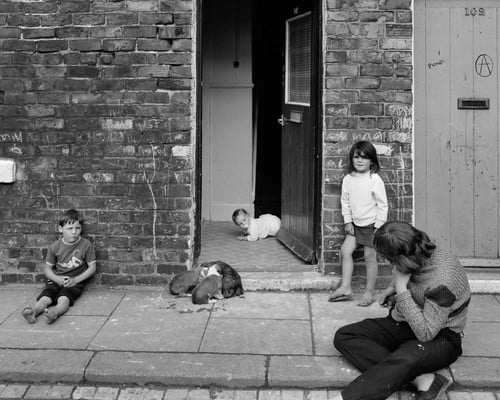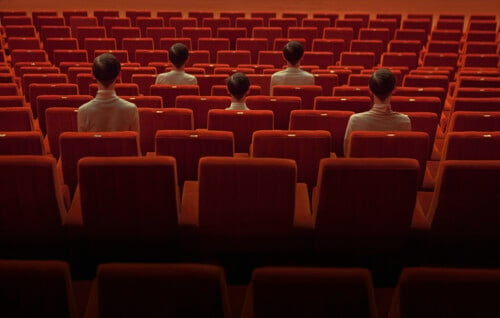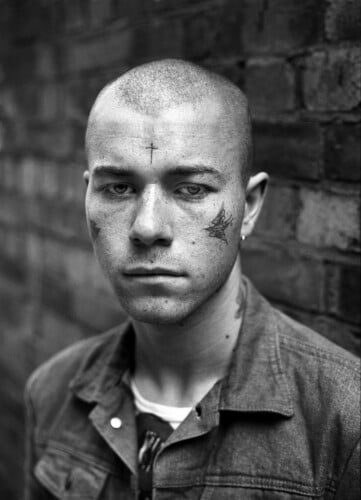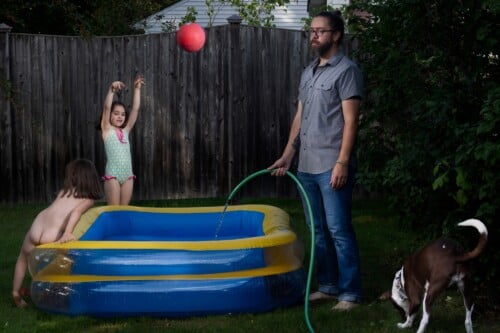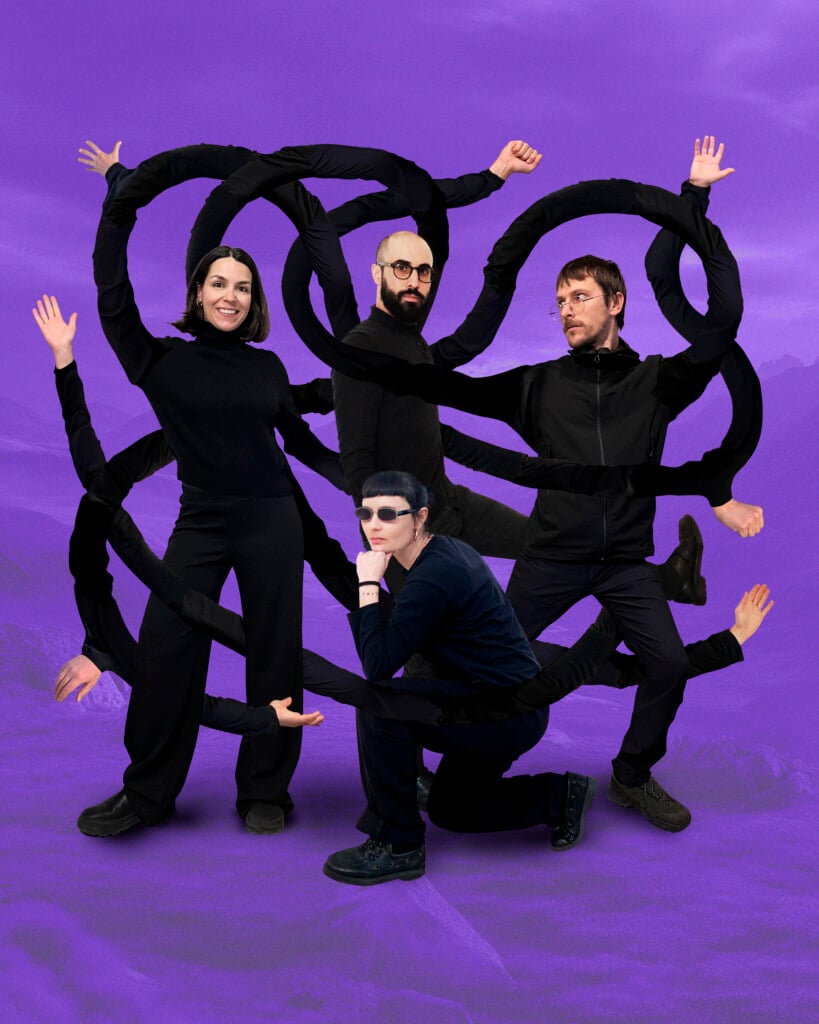
Kublaiklan is a curatorial collective that explores distributed modes of interaction with photography through exhibition, editorial, and educational projects. Their work brings photography into unconventional places, understanding it first and foremost as a relational device with others and with oneself, a tool for investigating the world and becoming aware of one’s role within the collective. At the same time, they develop a reflection on the image through research projects aimed at making photography an accessible and conscious language.
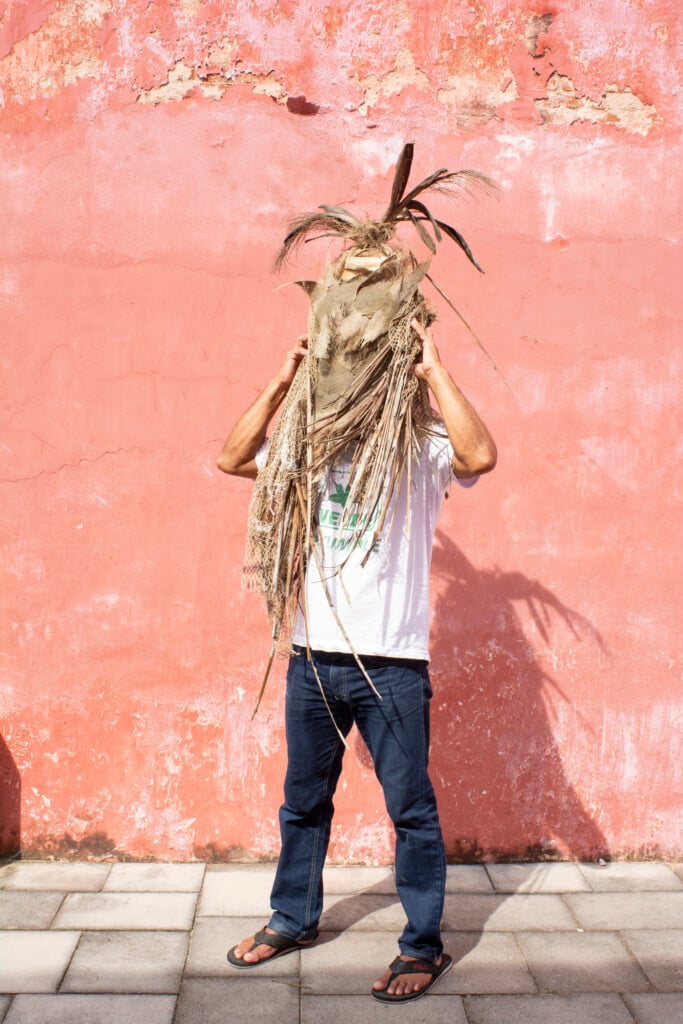
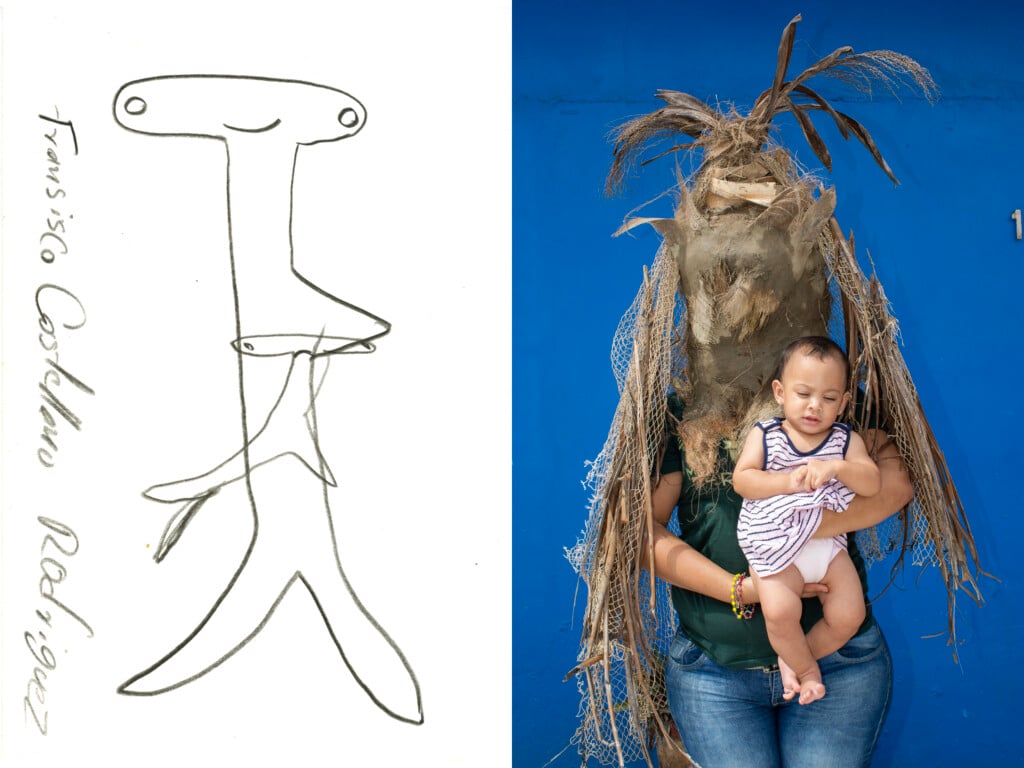
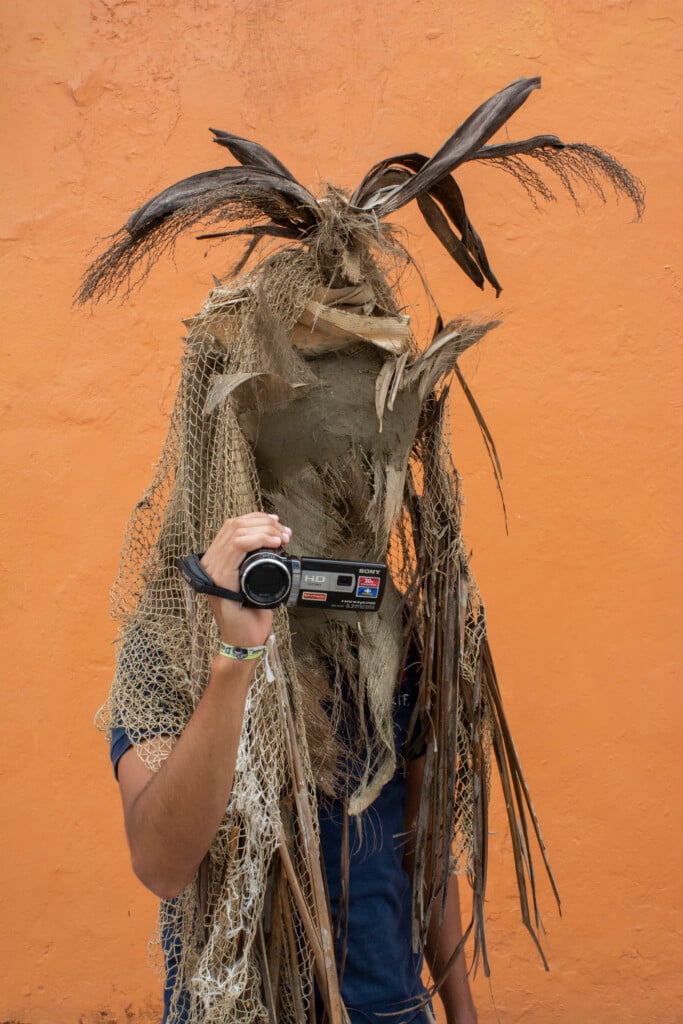
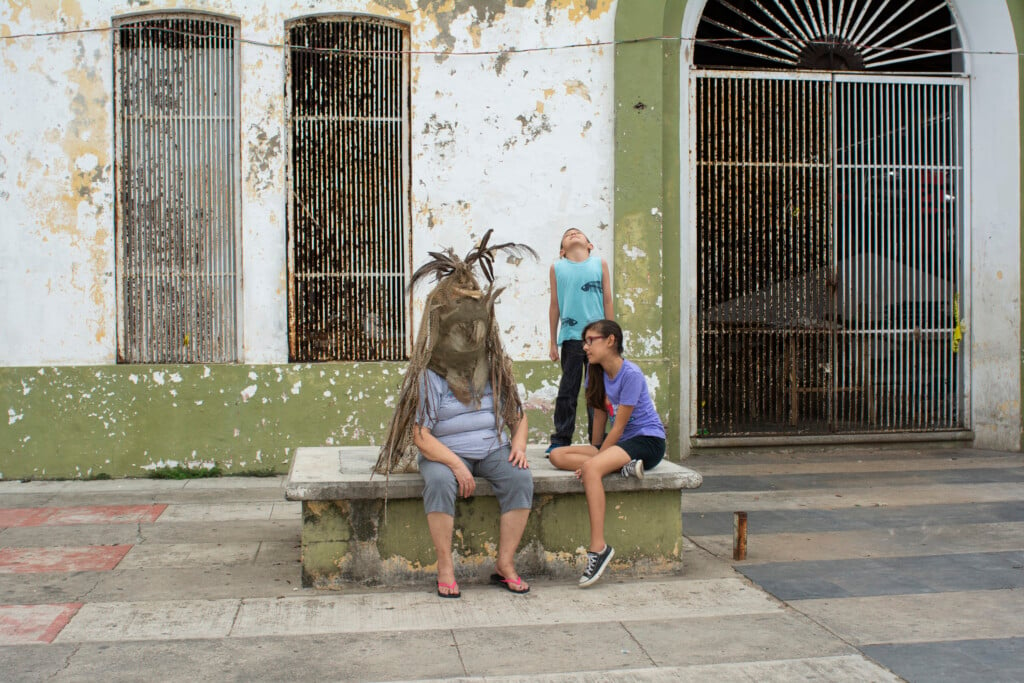
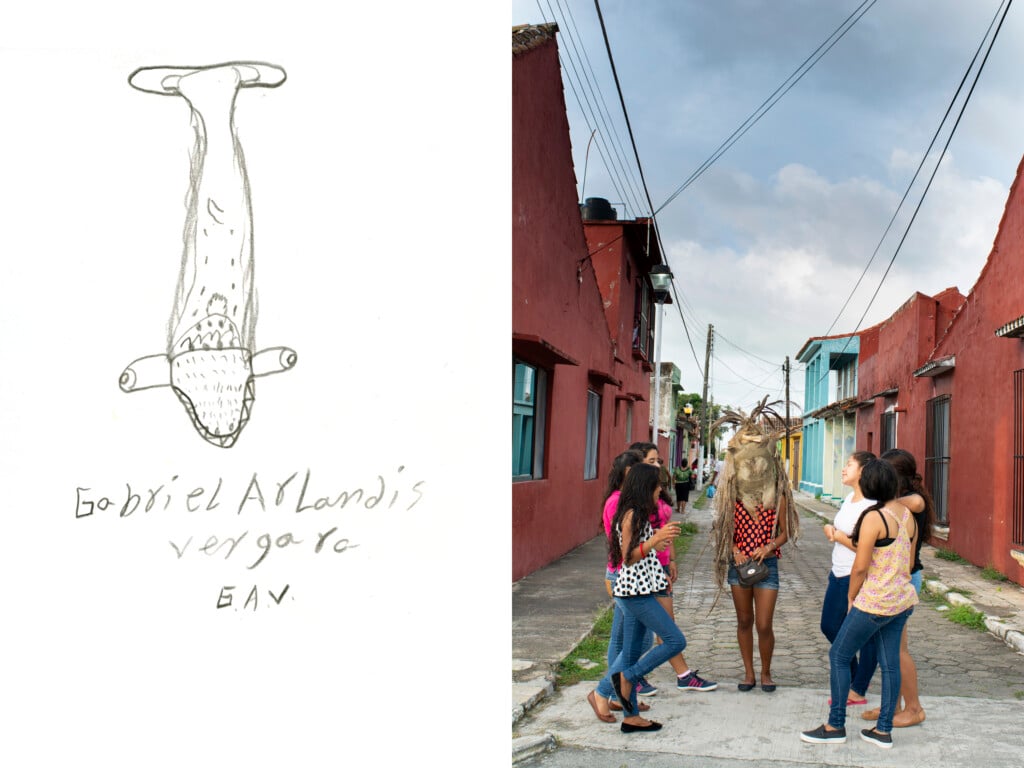
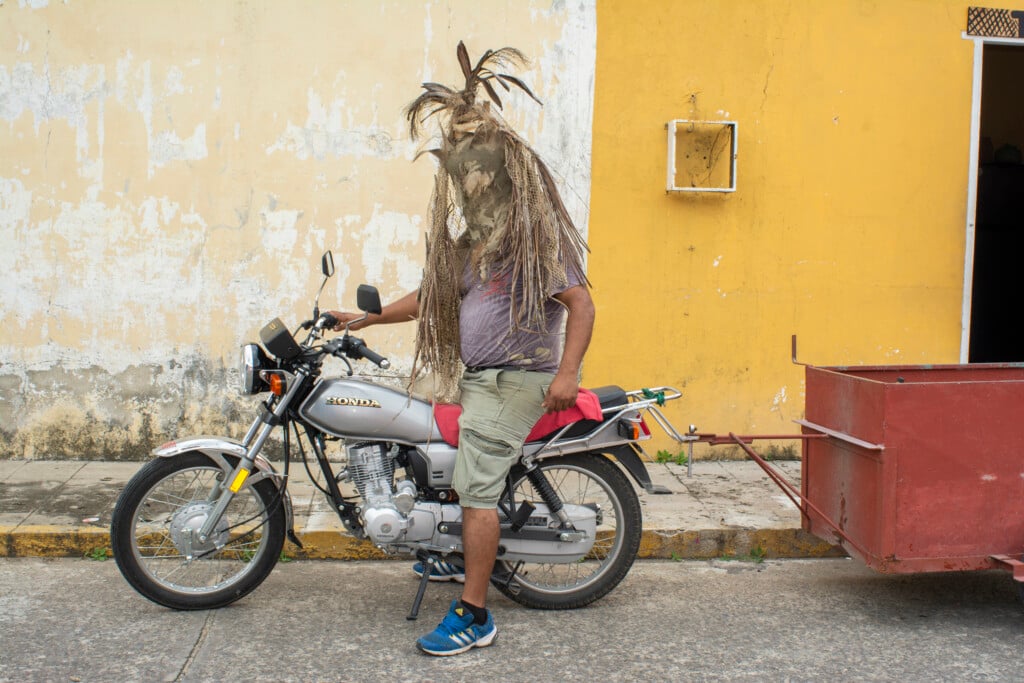
Starting in March, they will run K!, a space dedicated to collaborative photography in Turin, inaugurating this new phase with La Cornuda de Tlacotalpan by Emilio Nasser, on view from March 27 to May 8. We interviewed the members of Kublaiklan to understand how this place will change the life of the collective and of the city.
Community activation processes and participatory art are highly topical subjects and deeply felt within the world of art, and photography in particular. Yet words like these often risk being reduced to simple curatorial poses. Since you already have a number of “collaborative photography” projects under your belt, could you explain what exactly this approach entails and what advantages it brings to the people involved? What do you hope for with the “overcoming of the solitary author”?
Rica: By “collaborative photography” we mean photographic practices developed in collaboration with communities, groups of people, or individuals, where the final result is the product of a relationship, a dialogue, or a shared creative gesture. Although the “collaborative turn” in the arts is a historical and institutionalized phenomenon, little has been written, studied, and debated about collaborative approaches connected to the photographic medium. Photography, in fact, traditionally associated on the one hand with documentary storytelling and on the other with the desire to establish itself as an artistic discipline in its own right, has over time promoted the image of the solitary photographer as an individual genius, capable of offering a portrait of the world through their unique sensibility. In reality, photographic practice is intrinsically dialogic. It always develops out of a relationship with others.
Francesco: The creation of collaborative projects allows for the construction of layered and complex narratives, capable of embracing different points of view, often far removed from the lived experience and identity of the photographer. For these reasons, we decided to dedicate our new space and the projects that will be developed in the area to this kind of photography.
Whether it is a museum, a foundation, or an independent space, every exhibition venue (and not only) always performs an act of selection: it decides, silences, and/or activates narratives. How will you prevent K! from becoming just another traditional curatorial space that uses the vocabulary of collaboration and participation without actually reworking the power dynamics between curator, artist, and community? What are the essential conditions for practices of this kind to be truly facilitated?
Aleksander: We were born as a collective and, for that very reason, we know well the dynamics that make collaboration possible: exchange, the ability to mediate, and above all listening. In the coming months Kublaiklan will listen closely to the neighborhood where it is based, San Salvario, a historic area of Turin that over the last twenty years has gone through several waves of redevelopment and identity transformation. K! intentionally does not yet have a detailed plan: first of all, we want to open ourselves up to the community, meet people, and understand what the real needs are. That is why we are beginning to get in touch with the associations active in the area. This is the first step in a path that will then necessarily expand into broader work across the city of Turin.
Elsa: From a curatorial point of view, and therefore in our relationship with artists, our role will be to support them in developing projects that involve the active participation of social groups, both in the process and in the final output. We will collaborate with artists who already adopt collaborative practices, while others will be invited to experiment with this type of approach for the first time. We will try to involve the artists we work with on multiple fronts and in different projects, building long-term relationships that do not end with the contingency of a single initiative. We are already doing this with Emilio Nasser, the author of the first project presented in the space. At the same time, Emilio is also working with us on “L’ora di fotografia,” one of our projects developed in collaboration with Fondazione Alfaparf, consisting of five artistic residencies in five upper secondary schools across Italy. We invited five photographers (Hicham Benohoud, Ilaria Turba, Emilio Nasser, Karla Hiraldo Voleau, Matteo de Mayda) to develop a project in dialogue with the students of five different schools, from north to south. The result will be a catalogue offering an authentic portrait of the new Italian generations, who will take an active part in shaping the projects.
K! was born out of the need to host residencies, workshops, and activate co-creation processes with communities. In your work, how do you plan to adapt to Italy the models of socially engaged photography from Northern Europe and the United Kingdom that inspire you? Do you think there are aspects of those models that will integrate well with the Italian context? And what, instead, might inevitably require cultural adaptation?
Rica: I had the chance to closely study some of the organizations that inspire us: Multistory, Four Corners, Grain Projects… Organizations that do not mean much to an international photography audience, but that have in fact been active in their local areas for many years and have now become points of reference for the places where they are located. Without a doubt, Northern Europe and especially the United Kingdom have a tradition of “socially engaged” photography that we do not have in Italy. This means that we start at a disadvantage when it comes to making people understand—especially those working in the field—the potential of this way of conceiving the photographic process. On the other hand, it is also an opportunity: it means there will be room for experimentation and for welcoming proposals and projects that until now have rarely found space within the photography sector. We are also inspired by how these organizations use public space, and by the way they are able to build a strong community around their project. It seems to us that in Italy open dialogue among professionals in the field is somewhat lacking, and it is something we would like to work on, especially in relation to our generation and younger ones.
In your practice, photography appears less and less as an “object” to be exhibited and more and more as an activator within processes. Opening a physical space therefore also changes what your role might be: do you still see yourselves primarily as curators/designers, or increasingly as facilitators of experiences?
Aleksander: Our role remains that of creating an experience. Even when we work in contexts such as festivals and museum spaces, the exhibitions we curate or design are always conceived as a physical and sensory journey. That is our imprinting, and we will continue to create exhibition projects that convey this experiential dimension. We would like to work more and more in public space, which is the ultimate place for giving back the results of a participatory project. It is true, however, that K! will push us to become increasingly hybrid figures, bringing together not only images but above all relationships. But this is a transition we are making across the board, including in our national projects such as “L’ora di fotografia.”
Many of your previously developed projects—for example, the beautiful “Living Certosa” project in Milan’s Certosa district with Robin Lopvet—already existed within a process of relationship-building. At this point, K! seems to be both an achievement and perhaps, in a sense, a gamble: if in a few years you were to recognize that K! really worked, what change would you like to see—in artists, in the audience, or in the very way photography is understood?
Francesco: It will be a great challenge, we already know that! As Rica said, we think it is important to recognize that in Italy there is a lack of spaces for exchange for our generation and those that follow. So we would like K! to represent a starting point for building a photographic community people can identify with. We would certainly like to see greater awareness of a way of understanding photography beyond its aesthetic or formal qualities, avoiding intellectualism and instead taking advantage of its democratic character to trigger collective reflections on the urgent issues of our time. As for the audience, we hope for a greater familiarity with the complexity of photographic language. Through our activities we want to help people read images consciously, exposing the social, political, and ideological implications that the photographic medium—so apparently immediate—carries with it.
K! was born as a space for encounter, education, and co-creation with the local community, an ambitious and vital project in a daily reality increasingly oriented toward individualism and the flattening of critical thought. Turin is already a city that offers a great deal in terms of photography—just think of the experiences of Mucho Mas! Jest or Witty Books, which have already helped create a network and establish a certain familiarity with photographic language among people in Turin and beyond. What does it mean for you to open this place right here in Turin: a return, a strategic decision, the first step in a new phase of your work?
Rica: For me, as someone from Turin, it is first and foremost a return home. For the other members of the collective, it is a discovery. We are convinced that these two perspectives are complementary and necessary in order to do work in a place without preconceptions. Of course, we are aware that today Turin presents itself as a city with an attention to the photographic medium unparalleled in Italy, and for us that is a positive fact, even a strategic one, if you like. We will certainly collaborate with the local photography organizations—we are already doing so, for example by including Emilio Nasser’s exhibition in the Exposed programme, the photography festival directed by Walter Guadagnini. We would like to help create a strong synergy.
Aleksander: Turin is a unique city, and it is from here that we want to begin structuring the activities of the coming years. K! is conceived as an outpost, a base from which to continue traveling, expanding, and discovering new territories. After all, Kublaiklan was born nomadic, and nomadic it will remain.
What will the first activities hosted at K! be, and how will you choose the content to include in your programme each time? Will there only be room for images, or will you open up to contamination with other languages as well, always from a participatory perspective?
Elsa: We will organize photography and visual education workshops, public talks, invite artists in residence to develop work in the area, build collective projects, and create small exhibition outcomes. As we said before, the type of activities will also be shaped by the themes we discover by being present in the area, always focusing on collaborative approaches. In addition to Emilio Nasser’s exhibition “La Cornuda de Tlacotalpan,” open from March 27 to May 8, there will be a series of workshops for children in spring. We would also like the space to become a place for presenting projects we develop elsewhere, or in any case to remain permeable to the rest of our activities. We also plan to create a collection of books, like a library, on participatory practices related to the image, which will be available for consultation by appointment.
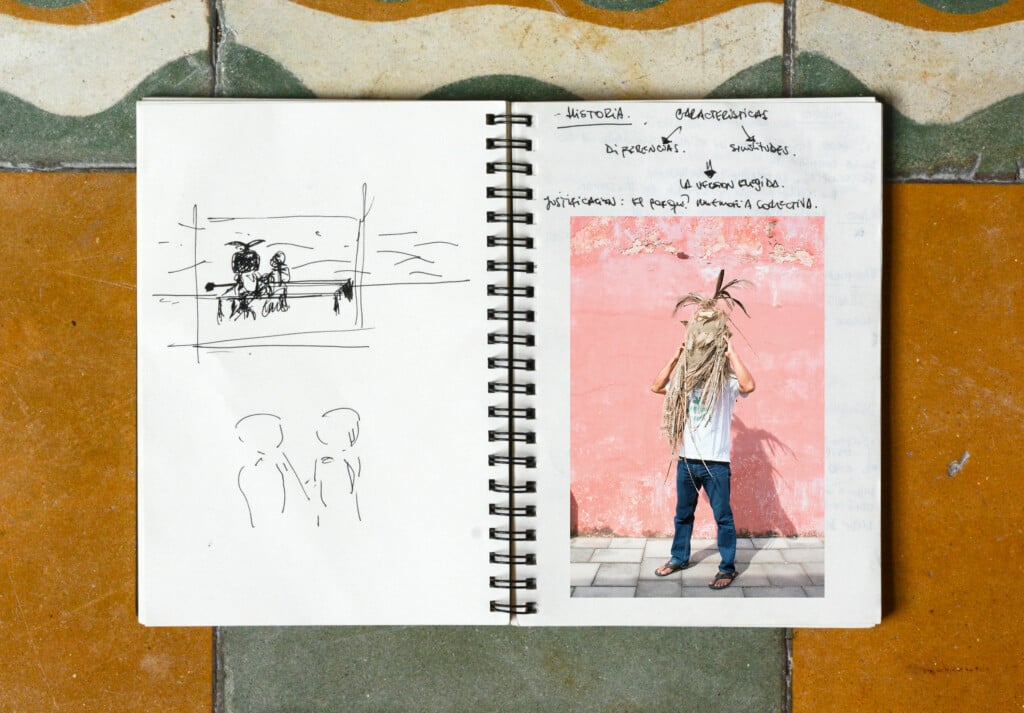
Rica: When talking about collaborative photography, the image almost always ends up being hybridized with other languages: writing, drawing, performance… Signs that help convey the complexity of the shared process, which photography alone is not always able to communicate. So yes, we will probably open ourselves up to a contamination of languages, but always remaining deeply connected to the photographic image and to the transformative potential it can unleash.
cover image: Kublaiklan, group portrait © Robin Lopvet