The two-person exhibition featuring Hyun Cho – whom we’ve previously discussed here – and Giulio Zanet just opened at the Traffic Gallery in Bergamo. We visited it, and surrounded by fluorescent colors, LED lights, and animal prints, we couldn’t think of anything but the pink elephant, even though the title of the exhibition – Non pensare all’elefante rosa (in english: Don’t Think About the Pink Elephant) – urged us to do the opposite. Why is that? Sara Parolini, the exhibition’s curator, explains it to us, reflecting on the concept of attention in relation to the era we live in, the era of access. «The image of the pink elephant appears in our minds without any choice. This happens because our brain first pays attention to the elements within an expression, whether read or heard, and only later processes its meaning. The negation is perceived only afterward, by which time it’s too late not to think about the pink elephant». In short, this exhibition project, supported by the artistic direction of Giorgia Massari, explores the theme of attention and free will in contemporary society, starting from a direct yet subtle provocation: Don’t Think About the Pink Elephant.

Are We Really in Control of Our Choices?
This paradox contains the heart of the exhibition, which reflects on the overabundance of images and information in our era and the power they wield in manipulating our attention. The curator invites us to reconsider the concept of free will in a world saturated with stimuli, where the line between autonomous decisions and choices influenced by external forces becomes increasingly blurred. Are we still in control of our choices, or are we constantly being guided by invisible pressures, such as those from capitalist culture and pop culture? The exhibition does not offer definitive answers, but instead encourages open reflection, presenting the works of Hyun Cho and Giulio Zanet as interpretive keys to navigating this complex terrain.

Hyun Cho: Urban Symbols and Sculptures of Words
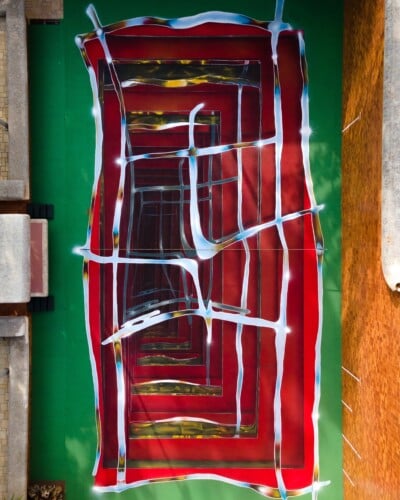
Hyun Cho’s works are a perfect example of how art can become a medium to explore the contradictions of the present. Born in Seoul but trained across Sydney, New York, and Italy, her research reflects a global approach. Cho draws from urban iconography and pop culture symbols to create installations and sculptures that reformulate the visual conventions of our time. Her work blends common objects, like road signs or skateboard wheels, which become evocative symbols, challenging our perceptions of everyday life.


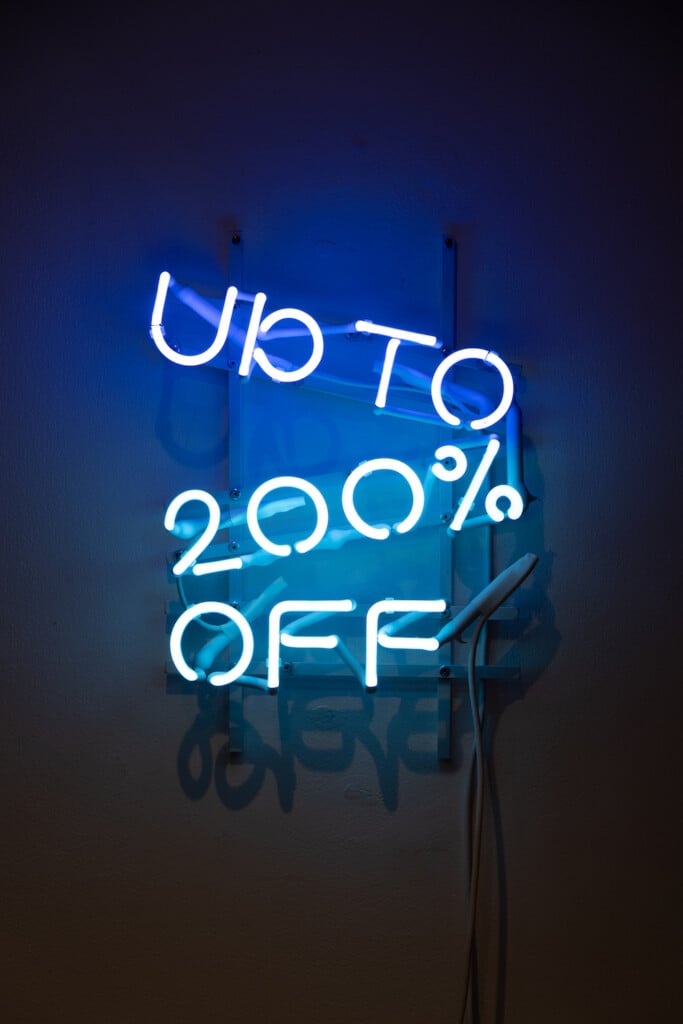
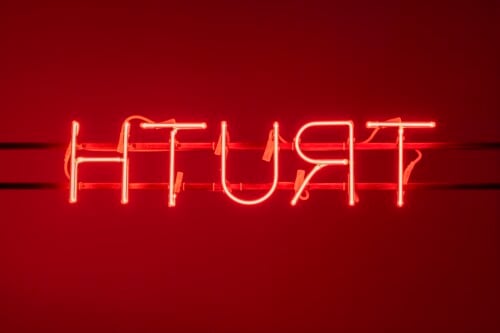
Among her most significant creations, Cho includes the so-called “word sculptures,” a conceptual format that uses short, punchy texts inspired by punk-rock style. Written in LED lights, these phrases become manifestos of personal reflection, inviting the viewer to consider the power of language and its ability to manipulate reality. An example is her work RIP Orange, which reflects on the trivialization of the word “urgency,” highlighting how the concepts shaping our present are often empty or overused.

The Freedom of Interpretation in Giulio Zanet’s Work
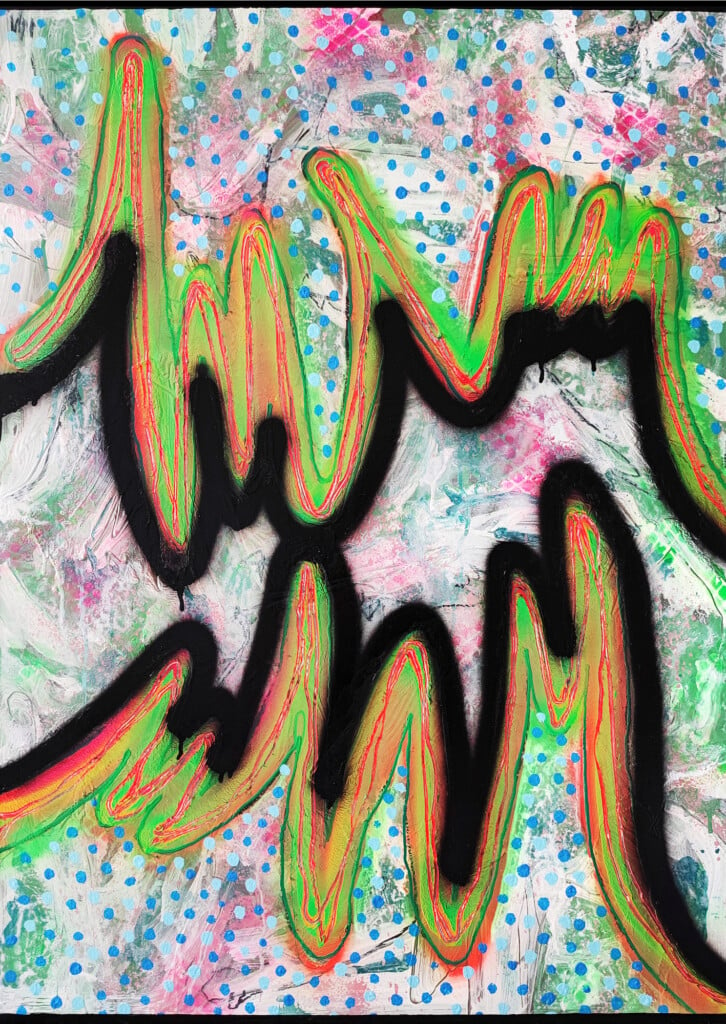
Giulio Zanet’s works, seemingly abstract, are actually layered with meaning and perception, inviting the viewer to interpret them freely. Through vibrant colors and repeated patterns, Zanet creates a meditative visual experience, rebelling against contemporary visual uniformity. His paintings, inspired by animal prints or military textures, destabilize expectations, opening windows to parallel worlds and allowing the viewer to project their own narrative in an ambiguous and open dialogue with the present.

Despite their differences, the works of Hyun Cho and Giulio Zanet share a common purpose: to offer the viewer a moment of pause from the frenzy of daily life, an opportunity to stop and reflect without the pressure of time or social expectations. The pink elephant thus becomes a symbol of all the distractions surrounding us, and the exhibition an invitation not to be overwhelmed by them, but to rediscover in art the possibility of genuine freedom.
Valerio Eliogabalo Torrisi’s Performance
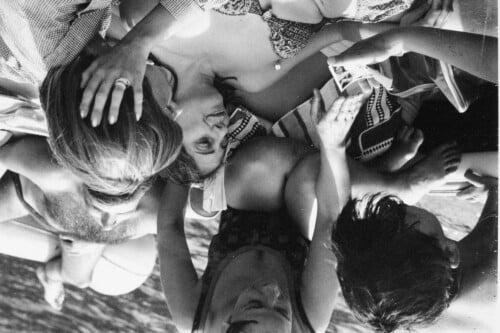
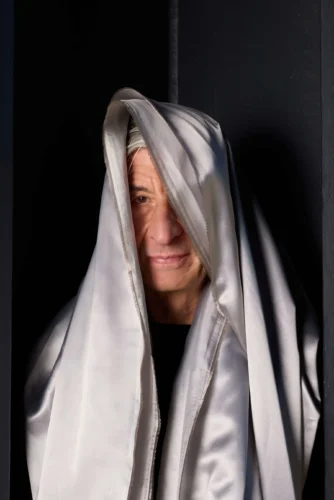
Adding another layer to the exhibition is artist Valerio Eliogabalo Torrisi (whom we previously featured here) with his long performance Gold on Our Wrists, Lead in Your Ears, accompanied by a text by Salvatore Cristofaro. Through seemingly simple gestures, Valerio recalls the history of marginalized and silenced identities. Set in Carbonia in 1941, a place of isolation for “outsiders” like homosexuals and enemies of the regime, the performance remembers the cruel practice of making pederasts wear bells to mark them in society. Torrisi, with bells ringing on his wrists, neck, and jacket, becomes a symbol of resistance, subverting humiliation into a form of collective and sonic expression, liberating oppressed identities through symbolic contagion.


The exhibition will remain open until December 7, 2024, concluding with a performance by Rossana La Verde.