Cortona On The Move (COTM) is one of the few festivals in Italy that can afford to look back without nostalgia and forward without rhetoric. Initially dedicated to the language of reportage and documentary photography, over the years the festival has accompanied—and in some ways anticipated—the transformation of the medium, opening up to hybrid practices, new narratives, and an increasing complexity of themes. In a place that only appears timeless, Cortona has, for the past 15 years, transformed itself into a privileged observatory on the present, where photography becomes a critical device for reading the world, its fractures, and its urgencies. In this conversation with Veronica Nicolardi, Festival Director, we try to understand what truly sets COTM apart today, what its cultural responsibilities are, and what kind of opportunity it represents for photographers.
Cortona On The Move was born with a strong focus on travel as a narrative key and symbolic device for reading the world—an axis that has evolved over time. How has this original framework developed, and what are the pillars that define the festival’s identity today?
The festival was born with travel as a way of reading the world, but from the very beginning we never intended it as physical travel. It was—and still is—a cultural journey, a continuous shift in perspective toward contemporaneity: an invitation to question reality through photography and its constant evolution. That foundation hasn’t disappeared; it has transformed. Today, travel coincides with crossing languages, cultural territories, and the forms of contemporary photography, in a constant movement that reflects the very nature of the festival.
The current pillars are:
- the search for new ways of telling reality;
- attention to hybrid languages and contemporary visual processes;
- original production and a strong relationship with the territory;
- dialogue with a broad, non-specialist audience.
In this sense, Cortona On The Move remains true to its origins: a festival in constant transformation, one that considers photography not a fixed point, but a territory in motion.
The exhibition structure of the festival—from the Fortezza del Girifalco to the spaces of the historic center—creates an ongoing dialogue between images, architecture, and landscape. How does this geography shape the selection of artists and the construction of projects, and which project over the years best managed to connect the edition’s theme with the places of Cortona?
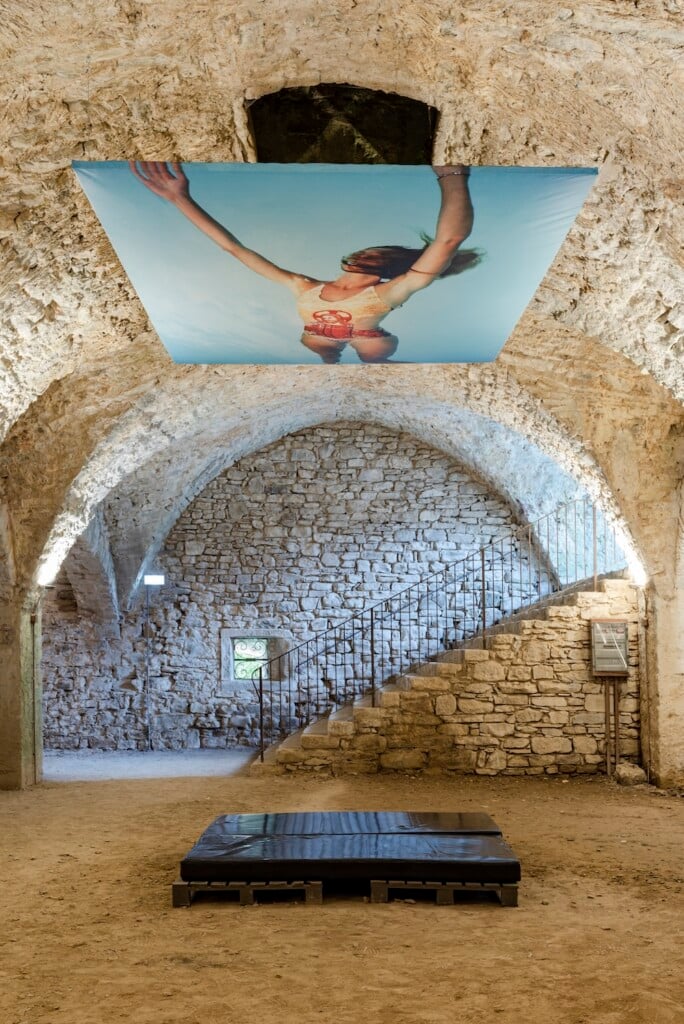
The spaces of Cortona have never been mere containers; they are an integral part of the narrative.
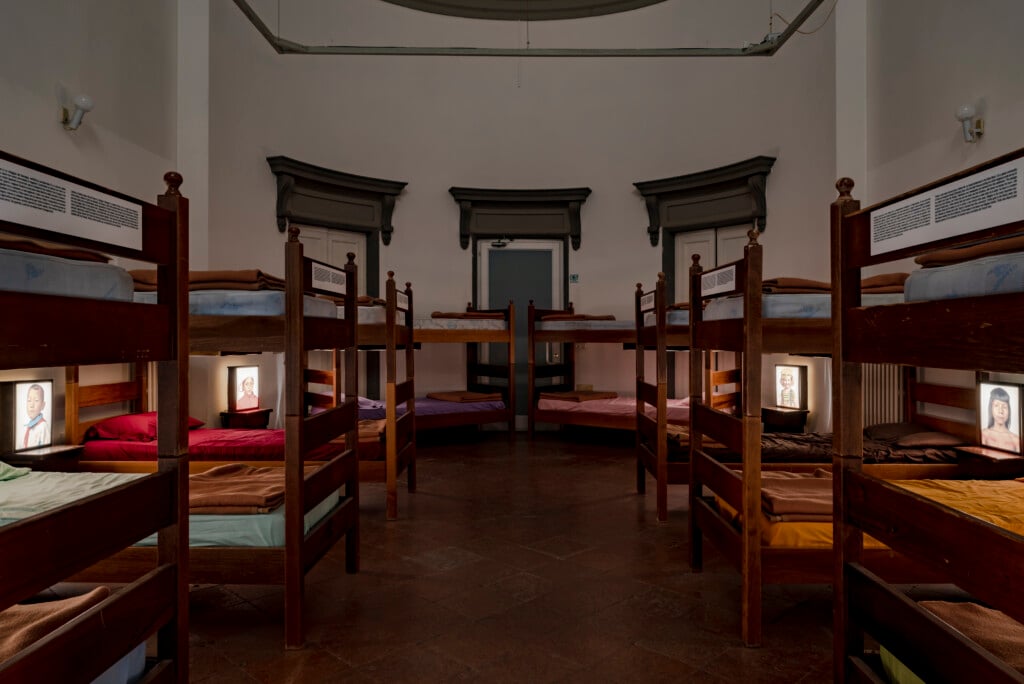
Every artist we exhibit must engage with architectures dense with history: the Fortezza del Girifalco, palaces sometimes abandoned and reopened to the public like the Old Hospital, the Church of Sant’Antonio, and the spaces of the historic center. This influences both the selection of artists and the structure of the projects: some works find their meaning precisely in the way they dialogue with the site.
The projects that work best are those capable of turning space into a narrative element, amplifying first and foremost the strength of the work and, in turn, its relationship with the edition’s theme.
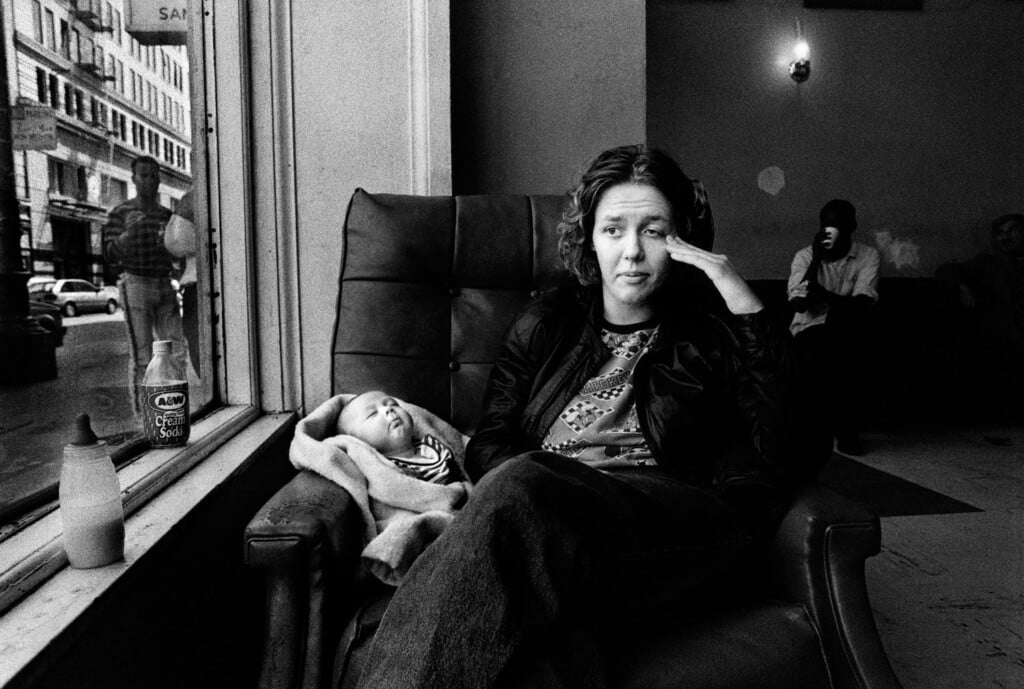
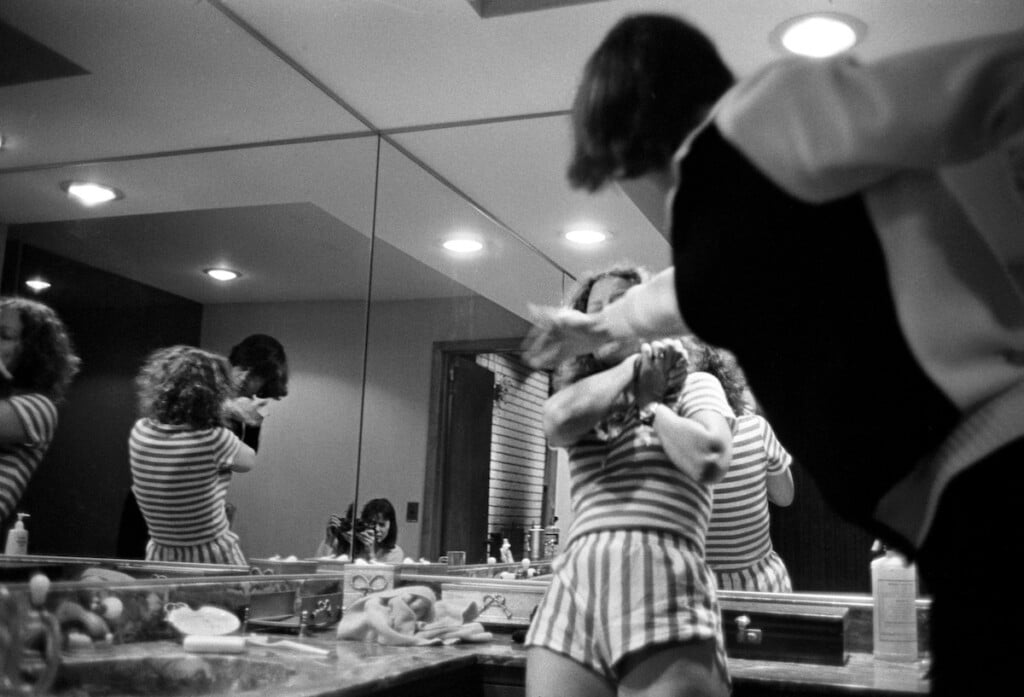
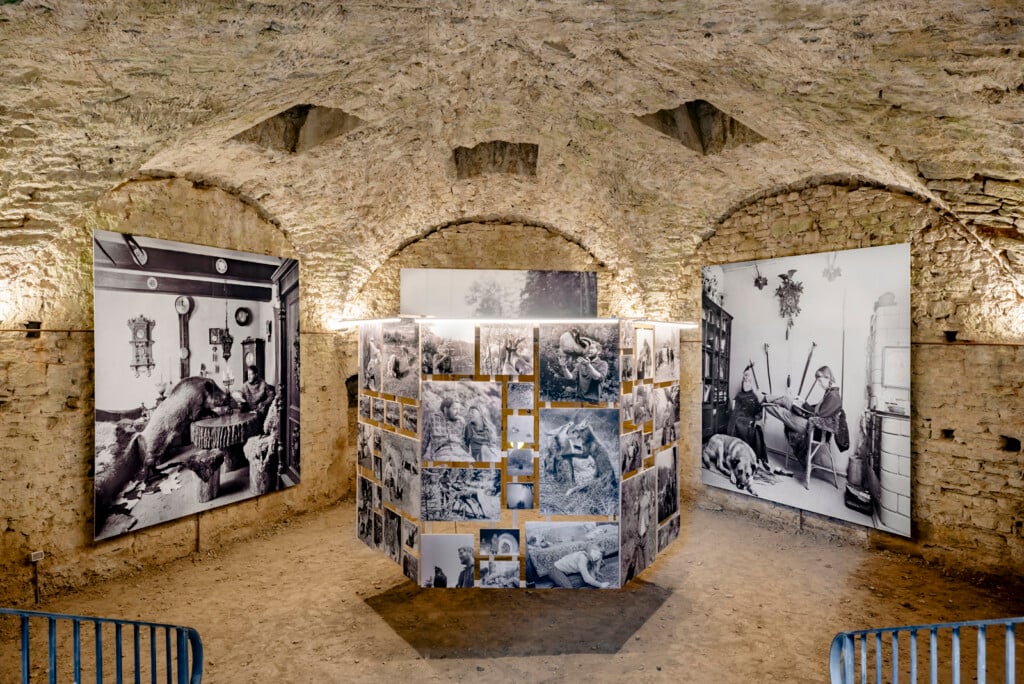
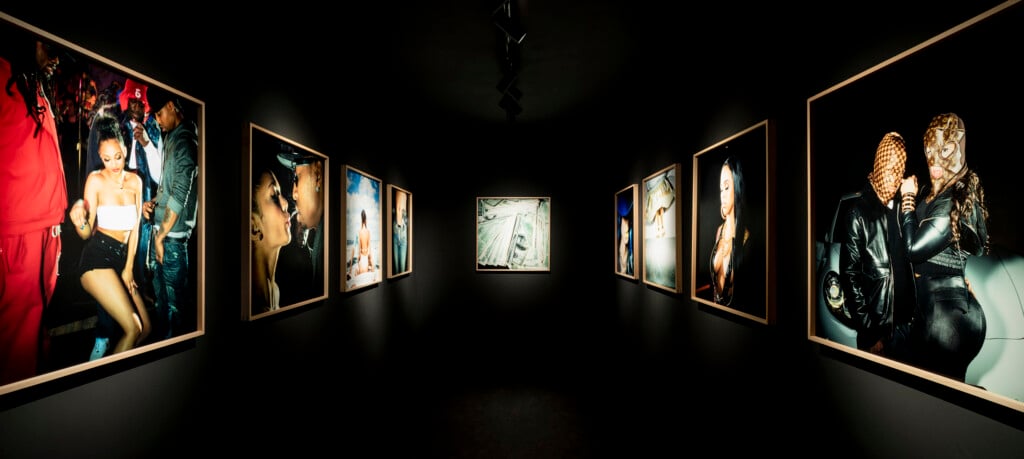
I particularly remember “Trilogy” by Christian Lutz at the Church of Sant’Antonio, “Uncut” by Simona Ghizzoni at the Old Hospital, “Family Love” by Darcy Padilla at Rugapiana 60, “Are They Rocks or Clouds” by Marina Caneve inside Palazzo Cinaglia, as well as “Get Rich or Die Tryin’” at Station C in Camucia and “Born to Be Wild” by Simona Kossak inside the new Bastion of the Fortezza del Girifalco—examples where the site was not just a container, but part of the meaning itself.

Cortona On The Move has built a solid reputation for investigating languages that oscillate between documentary, archive, experimentation, and visual hybridization. What is the main criterion guiding the selection of artists today, and what distinguishes your approach from other international festivals?
Our main criterion is necessity, understood as contemporary urgency. Over time, the different artistic directions—first Arianna Rinaldo’s, then Paolo Woods’ and the Kublaiklan collective’s—have chosen projects capable of questioning the present, of having a strong reason to exist today, and of positioning themselves within the flow of what is happening in the world.
From the very beginning, our choices have been guided by what moves through society, visual cultures, and transforming languages, in full coherence with the On The Move philosophy. Image quality has never been an autonomous value: we look for works that challenge ways of seeing and storytelling.
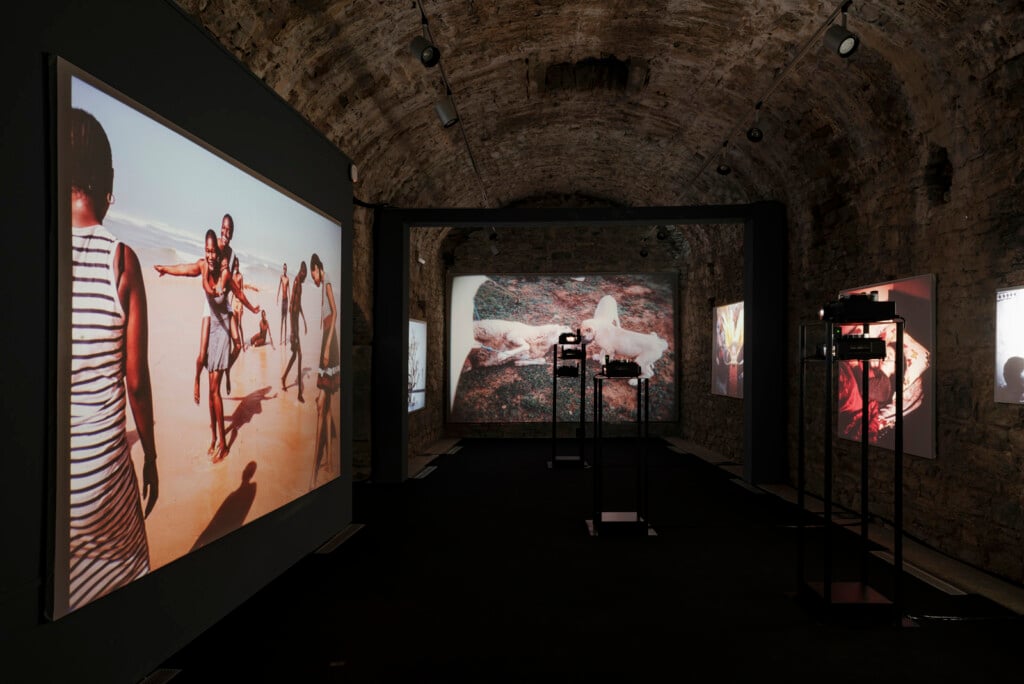
Documentary photography remains a fundamental axis, but it is constantly put into dialogue with archives, installations, multimedia devices, and hybrid practices. Form is never fixed: it moves, changes, adapts to themes, and amplifies them.
Another defining aspect is our ability to identify artists who, although not yet widely known internationally, bring necessary perspectives and original visions to the festival. It’s not about discovering them “before others,” but about recognizing quality and potential where it is not yet obvious.
Bringing something “never seen before”—not as an exercise in novelty, but as an opening toward new imaginaries and new forms of storytelling—has always been, and continues to be, one of the driving forces of our curatorial approach.
A significant part of your exhibitions comes from original productions or complex co-productions that require research, time, and constant dialogue with artists. How do you support these more articulated productions compared to a traditional photography exhibition? In short: how important is it for the festival to commission original projects rather than simply host existing shows, and what is the balance between self-produced work and external selection for the 2026 edition (if you already have an idea of the program)?
A significant part of our work has always been dedicated to original productions. This vocation—to make the festival a place of creation as well as exhibition—was strengthened during my direction and Paolo Woods’ artistic leadership, in parallel with the profound changes affecting the publishing world.
Collaborations with partner companies have played a decisive role, allowing us to develop content that dialogues with the festival’s theme while also responding to partners’ communication goals, always in coherence with shared values. These are long processes that require research, continuous dialogue with artists, curatorial development, and intense coordination work, especially on the communication side.
Commissioning and co-producing are fundamental for us: they allow the festival to define a clear identity and to actively contribute to the growth of artists. The balance between self-productions and already existing exhibitions varies each year according to the curatorial line, partners, and resources. In the coming editions, we will continue to invest in original production while maintaining a balance with existing projects that we consider significant for the festival’s discourse.
The festival often picks up on urgent themes before they become mainstream, showing a sensitivity that seems to anticipate trends. How is your internal research structured to identify the thematic lines for each edition?
Research is a continuous, year-round process: the artistic directions read projects, observe international contexts, and maintain constant dialogue with artists, curators, and institutions. Thematic lines never arise from external trends, but from what is happening in the world. It has always been the urgency of the present—in its social, political, and cultural transformations—that guides our choices.
Careful observation of global processes and the evolution of contemporary visual languages forms the basis of our curatorial method, with the aim of grasping what is truly meaningful.
Open calls are a fundamental tool for the festival and have helped discover artists who are now widely recognized. Can you explain how they work, the types you offer, and how they are integrated into the curatorial path?
Open calls have been a fundamental tool from the very beginning: they have allowed the festival to bring to light artists who now enjoy international visibility. For us, they have never been just a selection mechanism, but a privileged observatory of what is happening in contemporary photography.
Over time, we have promoted different types of calls, each with a specific function: the Circuito OFF, which opened the festival to broader participation; Happiness ONTHEMOVE, dedicated to the theme of happiness; New Visions, oriented toward documentary and experimental languages; the COTM Photobook Award, the Cortona On The Move Award; and today the Cortona On The Move | BarTur Grant, which provides concrete support for the production of new documentary projects.
The BarTur Grant, in particular, is an international call aimed at ongoing projects addressing social, environmental, economic, or cultural issues of global relevance.
- It includes a main prize of USD 30,000 for a professional and two prizes of USD 5,000 for photographers under 30.
- It requires a project in development, including biography, CV, budget, and timeline.
- An international jury evaluates narrative quality, thematic relevance, potential impact, and feasibility.
- The winners complete the project thanks to the Grant and exhibit at the festival in the following edition.
The Grant is not an end in itself: it becomes almost a true commission. In this sense, it transforms the open call into an active tool of cultural production and affirms the festival as the place where these works are presented for the first time.
In general, selected projects enter the curatorial path of the following edition. Even when they do not exactly coincide with the year’s theme, they fully respond to the On The Move philosophy: a contemporary gaze, strong authorial research, and the ability to read the present.
Each edition receives many high-quality submissions through the calls, but only some become part of the festival. What criteria determine the transformation of a selected proposal into an actual exhibition? What recurring mistakes do you notice in applications?
The open calls are designed to offer the opportunity to exhibit in Cortona, which means that one of the fundamental selection criteria is the ability to imagine the project within the festival—its spaces and its rhythm. Not all selected proposals automatically become exhibitions, because we also evaluate installation feasibility, the maturity of the work, and, when possible, its coherence with the edition’s curatorial vision.
The most frequent mistakes in applications include:
- overly broad portfolios lacking a clear narrative structure;
- generic statements or, conversely, excessively theoretical ones that are poorly connected to the work;
- projects not yet mature enough for an exhibition format;
- a lack of awareness of the context in which the work is being proposed, making it difficult to imagine within the festival;
- unclear or inconsistent budgets, especially in calls requiring financial projections;
- projects already published or completed, which cannot be included in calls designed for works in progress.
Our goal is always to make space for solid, necessary works that can truly be expressed within the exhibition dimension of Cortona On The Move.
The festival has important collaborations—with cultural institutions, foundations, and corporate partners—that support and expand its production possibilities. What is the main challenge today in keeping this network alive and qualitatively strong, and how does it influence the festival’s programming and curatorial line?
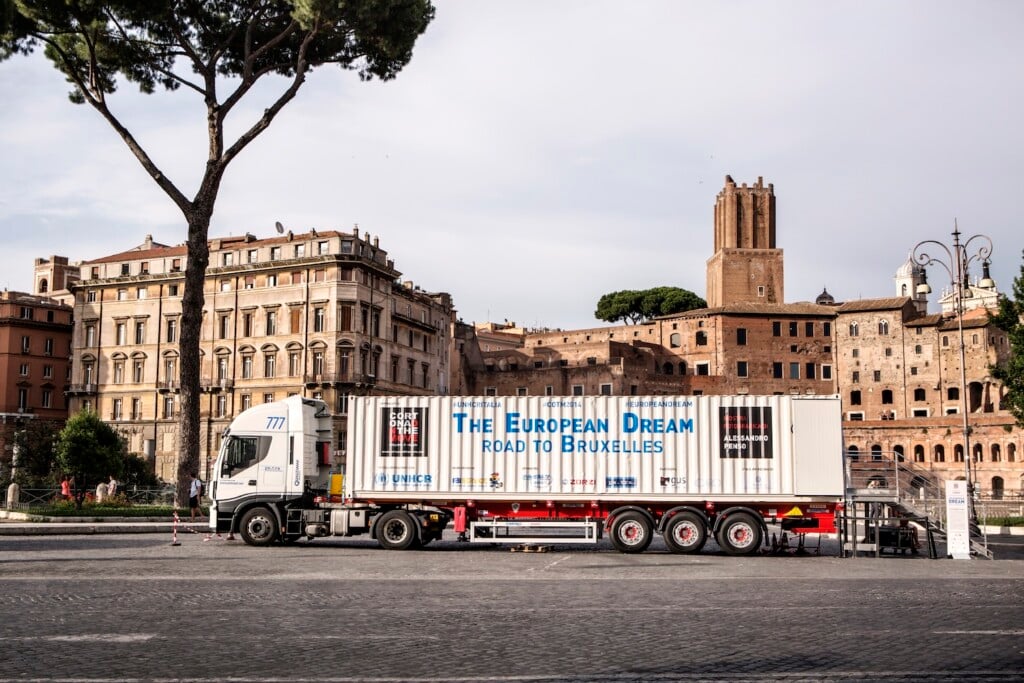
Our network of partners is fundamental to ensuring quality and production capabilities. With our most important partners, we have built relationships that have become true strategic alliances, based on cultural co-design and the creation of original content. I’m thinking of Intesa Sanpaolo, Autolinee Toscane, Doctors Without Borders.
Relationships with institutions, foundations, and corporate entities make complex projects and co-productions possible that we otherwise could not sustain. A key example is our collaboration with Photo Elysée Museum, with which we presented Inferno & Paradiso by Alfredo Jaar in the latest edition. The main challenge is maintaining a balance between economic sustainability and curatorial independence: building ambitious projects without renouncing our identity requires constant dialogue, mutual trust, and a clear definition of shared values.
Moreover, today it is increasingly difficult to find new partners willing to invest in culture, while at the same time it is ambitious and delicate to maintain long-standing partnerships by offering coherent, high-quality projects. This network does not determine the festival’s content, but makes its realization possible. We work to ensure that every collaboration strengthens our curatorial line and that the festival remains a place of free, credible, and sustainable cultural production.
The extended duration of the festival and Cortona’s touristic context attract a highly diverse audience. How do you ensure a visiting experience that remains meaningful, avoiding exhibitions being perceived as simple tourist stops?
The extended duration of the festival and Cortona’s touristic context bring a very diverse audience in terms of origin, age, background, and expectations. For us, the challenge is not to reduce this diversity, but to turn it into a resource. We design exhibitions to function on multiple levels: those without specific expertise can engage through visual and narrative strength; those with more structured critical tools can find depth, references, and complexity. We invest heavily in the quality of installations and in the relationship with spaces: in Cortona, each venue has a strong character, and we aim to ensure that the works dialogue with architecture and with the time of the visit, so that visitors don’t just “pass through,” but stop, observe, and question.
The goal is not to oppose tourism, but to offer anyone—from the casual visitor to the specialist—an experience that activates attention and curiosity. If even a brief visit becomes a moment of reflection, then the festival has achieved its purpose.
After four years, Paolo Woods passes the baton of artistic direction at Cortona On The Move to Renata Ferri. A significant change in the festival’s recent history, following the decade-long artistic direction of Arianna Rinaldo. How did you manage these transitions, and what do you consider crucial to ensuring continuity without renouncing further evolution?
The festival has gone through two important phases: a long one with Arianna Rinaldo and a shorter but equally incisive one with Paolo Woods. Each transition was handled with great attention to continuity, memory, and the heritage built over the years. The passage from Arianna to Paolo was a crucial moment for me: it coincided with the beginning of my general direction (after Antonio Carloni’s) and became an opportunity to reflect on the festival’s strengths and weaknesses. I had to support a new artistic vision while at the same time affirming my own. With Paolo, we aligned to build a balance between identity and renewal.
The transition to Renata comes after four years of this journey, and I approach it with greater maturity: listening to what she brings while preserving what we have built so far. It does not mean resisting change, but integrating it. Beyond her artistic vision, I deeply appreciate Renata’s professionalism and openness to multidisciplinarity—a terrain where we immediately connected and which represents a direction I had hoped for from the beginning.
For me, the crucial aspects remain: protecting the festival’s identity; guiding its evolution with a clear vision; integrating new energies without losing what makes COTM recognizable.
Continuity is not immobility, and evolution is not rupture: our work is to find, each time, the point of balance.

Read also: PhotoDesk – Fotografia Calabria Festival