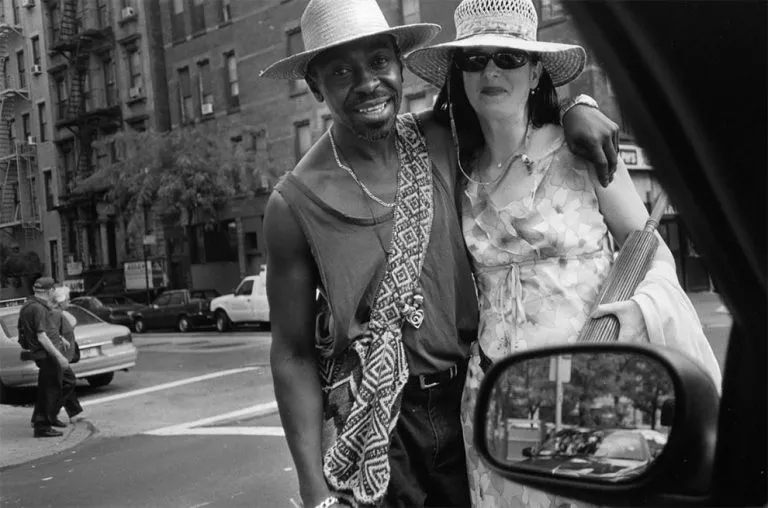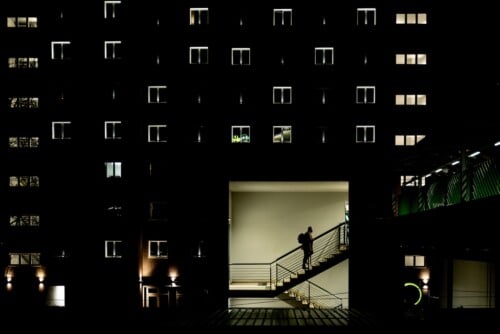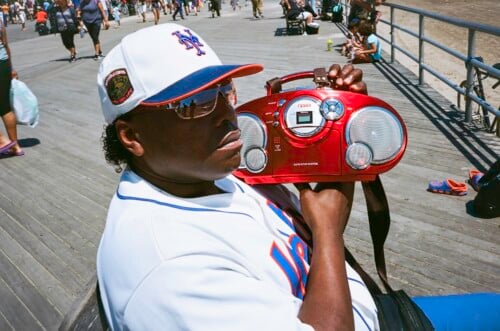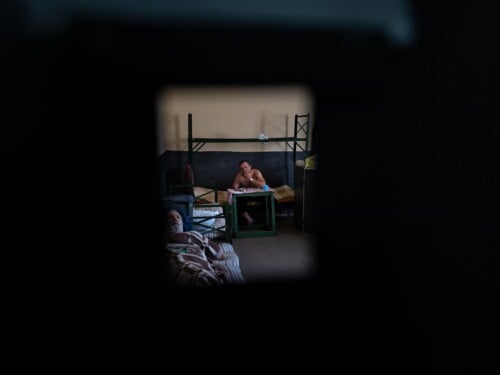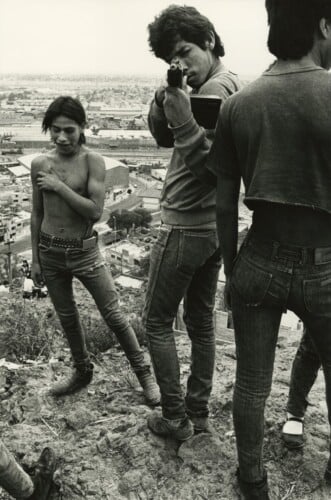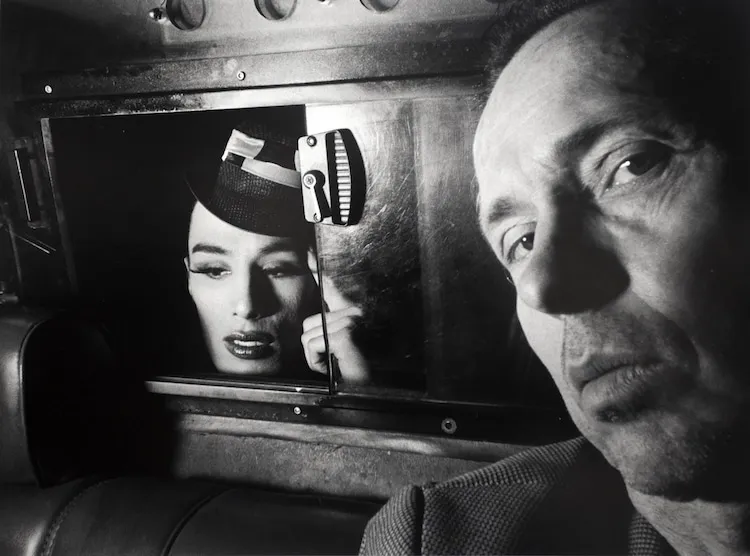
The shots by Ryan Weidman allow us to revisit New York from a privileged vantage point, far from clichés and immersed in its rawest humanity. A perspective that recalls that of Bethany Eden Jacobson whom we interviewed not long ago, and one that favors reality.
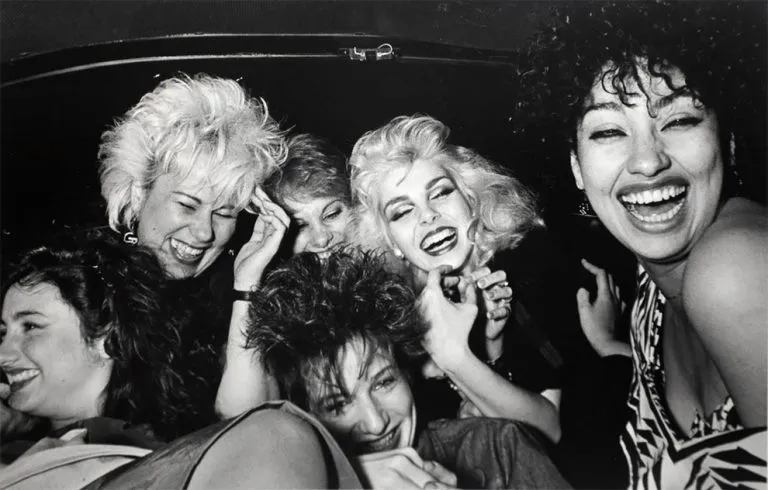
Starting in the 1980s, Weidman turned the taxi he drove every day into a space for observation and storytelling—a sort of roaming photo studio able to intercept the ever-changing soul of the city that never sleeps.
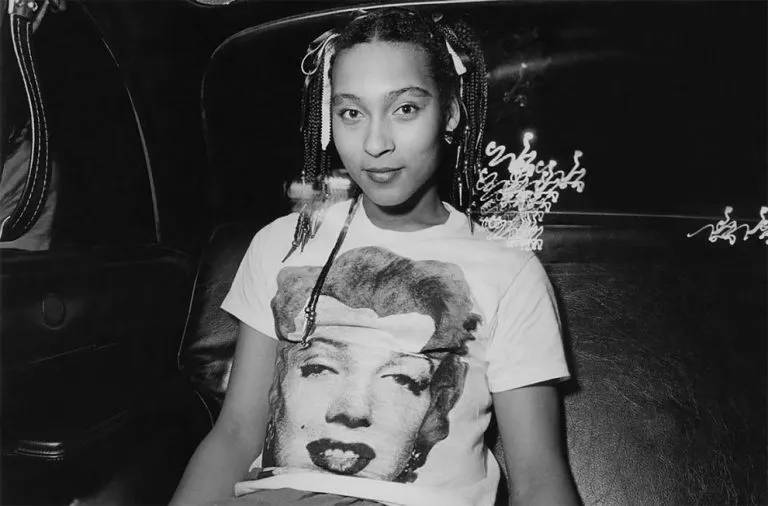
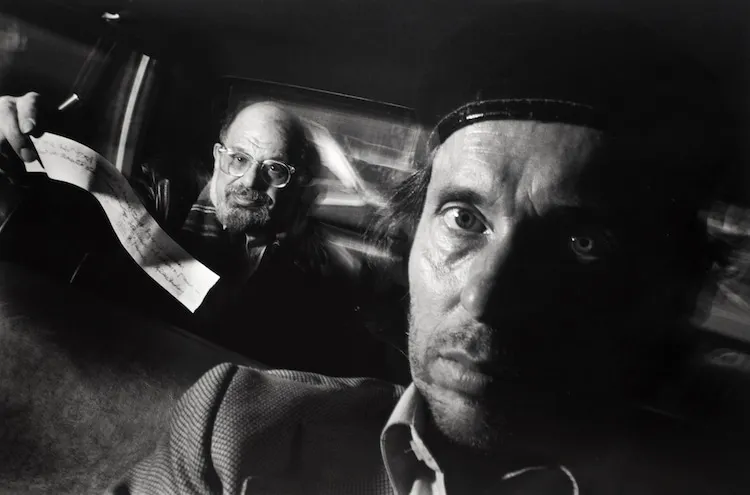
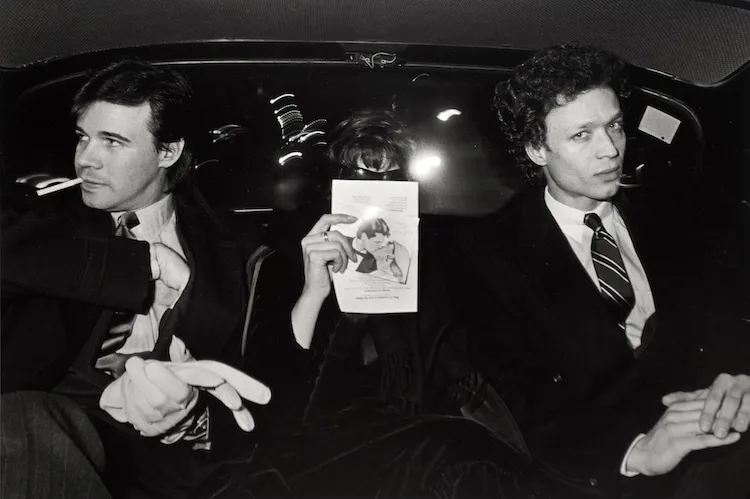
Who better than a taxi driver to come into contact with such a wide range of people, caught in different moments of daily life, far from posing and performance? Seated in the back seat, Weidman’s passengers showed themselves for exactly what they were: models, poets, drag queens, businessmen, sex workers, celebrities more or less recognizable. Different faces that, taken together, form a portrait of the most authentic New York—shot through with social tensions, cultural shifts, and an unrepeatable energy.
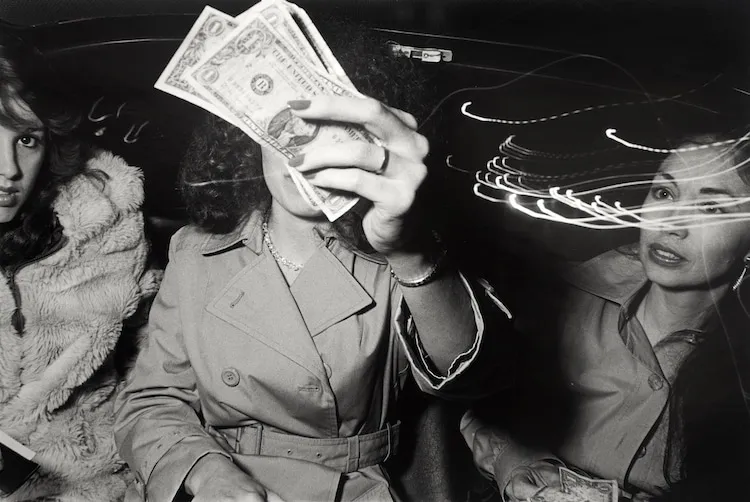


His photographs don’t speak only of individuals—they tell of an era. Through these chance encounters, Weidman documents the shifts in American society, its contradictions, and the nuances of its diversity, following the human flow that moved through the city from the 1980s up to the dawn of the new millennium. The taxi thus becomes a privileged lookout point, a threshold between public and private, where every ride is a potential story.
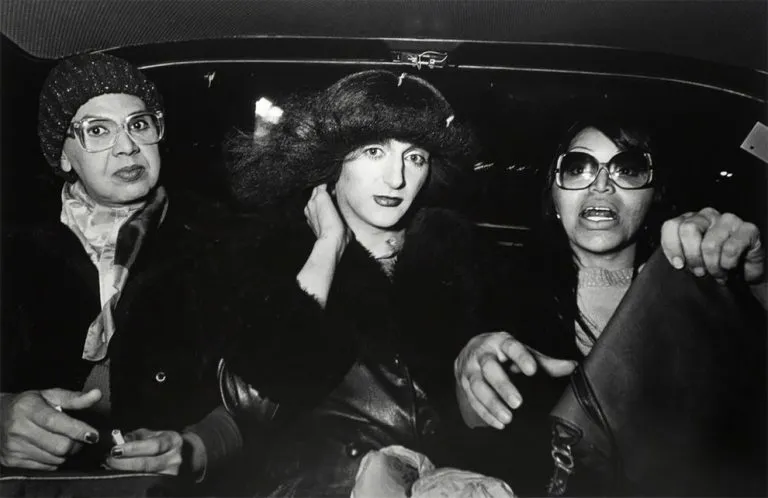
From 1986 onward, his gaze widens even further. Beyond the passengers, Weidman also begins to photograph what happens outside the window: pedestrians, streets, urban fragments captured on the fly. It’s a natural extension of his approach, confirming his attention to everything that moved, that was changing, and that was living in the city. In short, a series of images that didn’t idealize New York, but returned it in all its complexity—made of chance encounters, a layered community, and an authenticity that remains crystallized in the allure of that era.