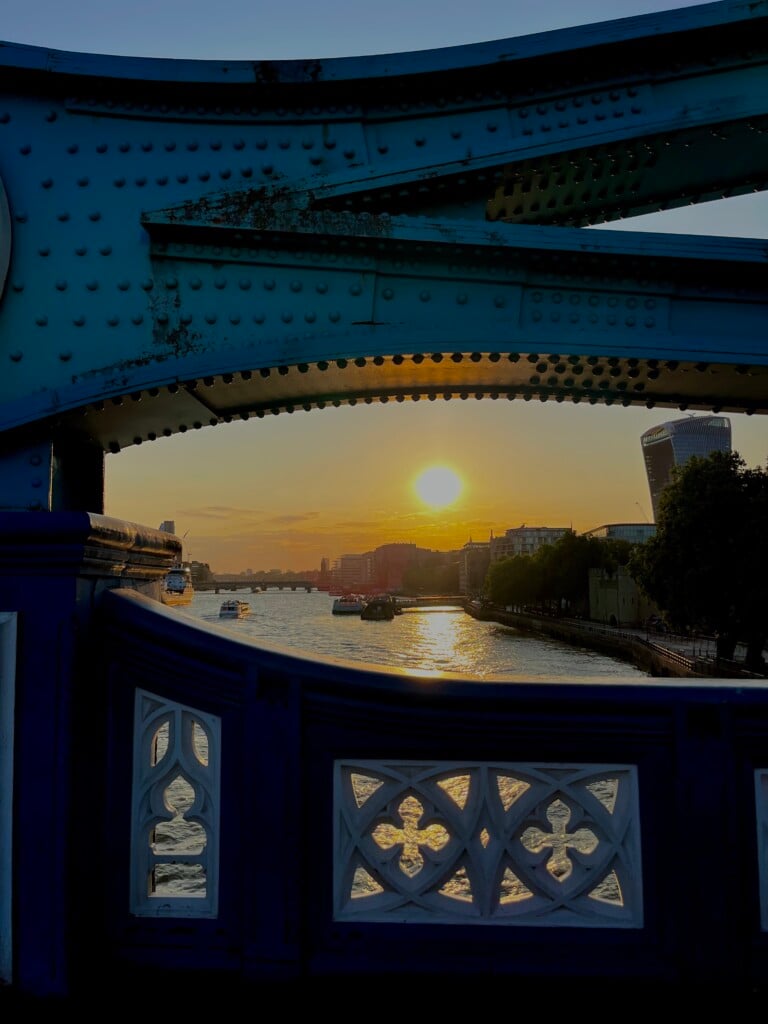
Never before have so many people suddenly become experts in formats. The blame (if we can call it that) lies with The Odyssey by Christopher Nolan and the various formats in which it’s possible to see it at the cinema. But beyond becoming material for thousands of memes that immediately went viral online, the event got people reflecting on the format we’ve grown used to seeing the world in.
Before smartphones and touchscreens, the world had a 4:3 format, the same one used by the earliest televisions of the 1930s. Then we squeezed and stretched it, getting used to seeing the world in 16:9. Until we rotated it 90°, cutting the edges and turning it vertical. Now that we’re used to the famous 9:16, changing seems absurd, but luckily there’s always someone bold enough to show us what lies beyond the edges.
A few days ago in London, inside Old Billingsgate, a Victorian building that once housed the largest fish market of the 19th century, we were invited to take part in Samsung Galaxy Unpacked, the annual event where the electronics giant presents its latest releases.
The star of the evening was the new Galaxy Z series, which, with the Samsung Galaxy Z Fold8 Ultra, the Samsung Galaxy Fold8, and the Samsung Galaxy Flip8, took the conversation around foldable devices to an entirely new level.
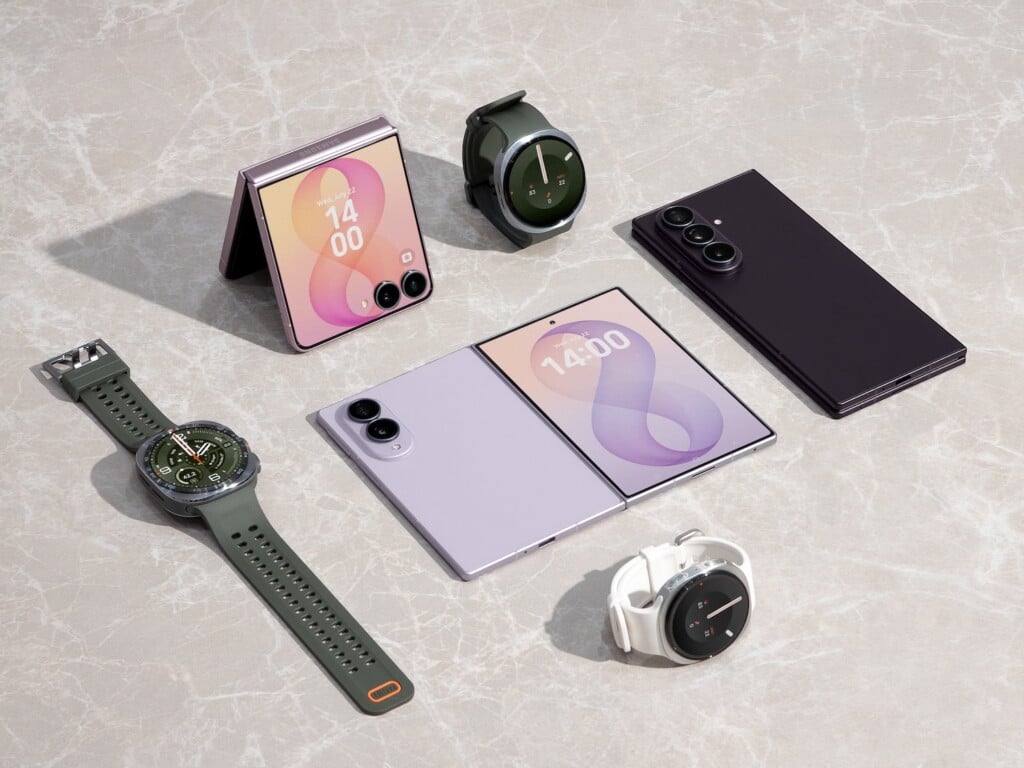

Since 2019, when Samsung first introduced the world to the original Galaxy Fold, the South Korean company has set itself the goal, every year, of improving its flagship device, making the user experience easier, more intuitive, in short, more smart.
If the Fold8 Ultra and the Flip8 can be seen as evolutions of their previous editions, what hides a small revolution, but also a challenge Samsung is throwing down to the market, is the Fold8.
We won’t get lost in technical details – which you can perfectly well discover on Samsung’s website -, but we’ll give you three words: light, small, and innovative.
Light because at 201 grams it’s the lightest Galaxy Z Fold Samsung has ever made. Small because closed it’s exactly the size of a passport, so if you’ve never complained about the size of your travel documents, you can’t complain about the Fold8 either. Innovative because it shows how it’s possible to see the world in another format, actually, two others: 10:16 and 4:3 (yes, the same one used by old televisions).
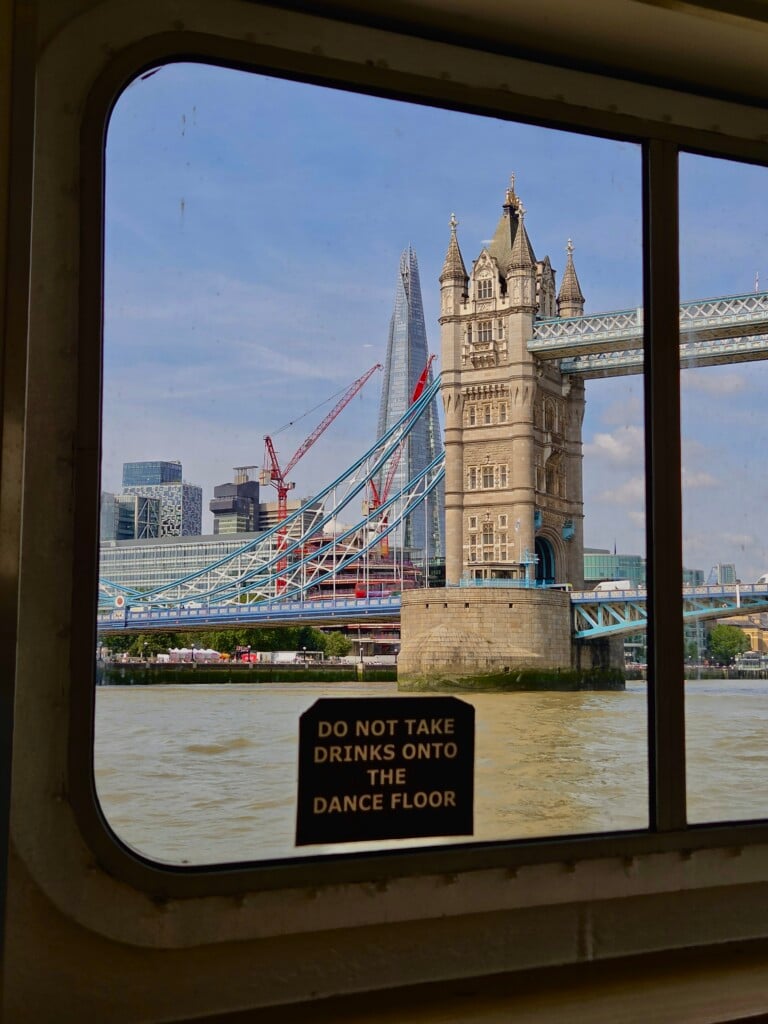
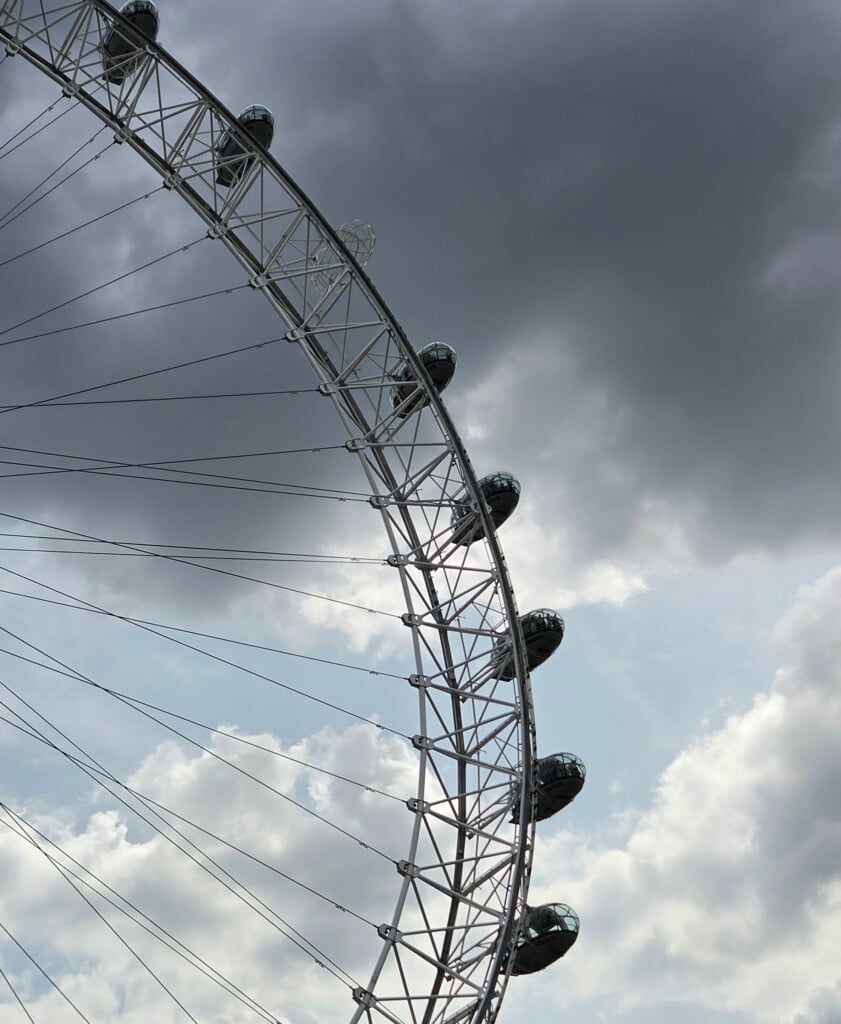
And if the format is the first thing that stands out about the Samsung Galaxy Fold8, the camera is what really makes it useful, not just something nice to talk about. Because nostalgia for 4:3 is all well and good, but if the photos come out badly, that nostalgia lasts about as long as a single scroll.
One of the most interesting features is Dual Recording, which lets you film front and back simultaneously, checking your own framing on the external display. And then there’s My FanCam, which follows the subject and adapts the framing to the chosen format, turning any moment, a dinner, a concert, a group of friends dancing, into content ready for social media, with no editing required.
In short, between formats making a comeback and cameras moving forward, the message seems clear: seeing the world in a different shape isn’t just an aesthetic question, it’s finally also a matter of choice.

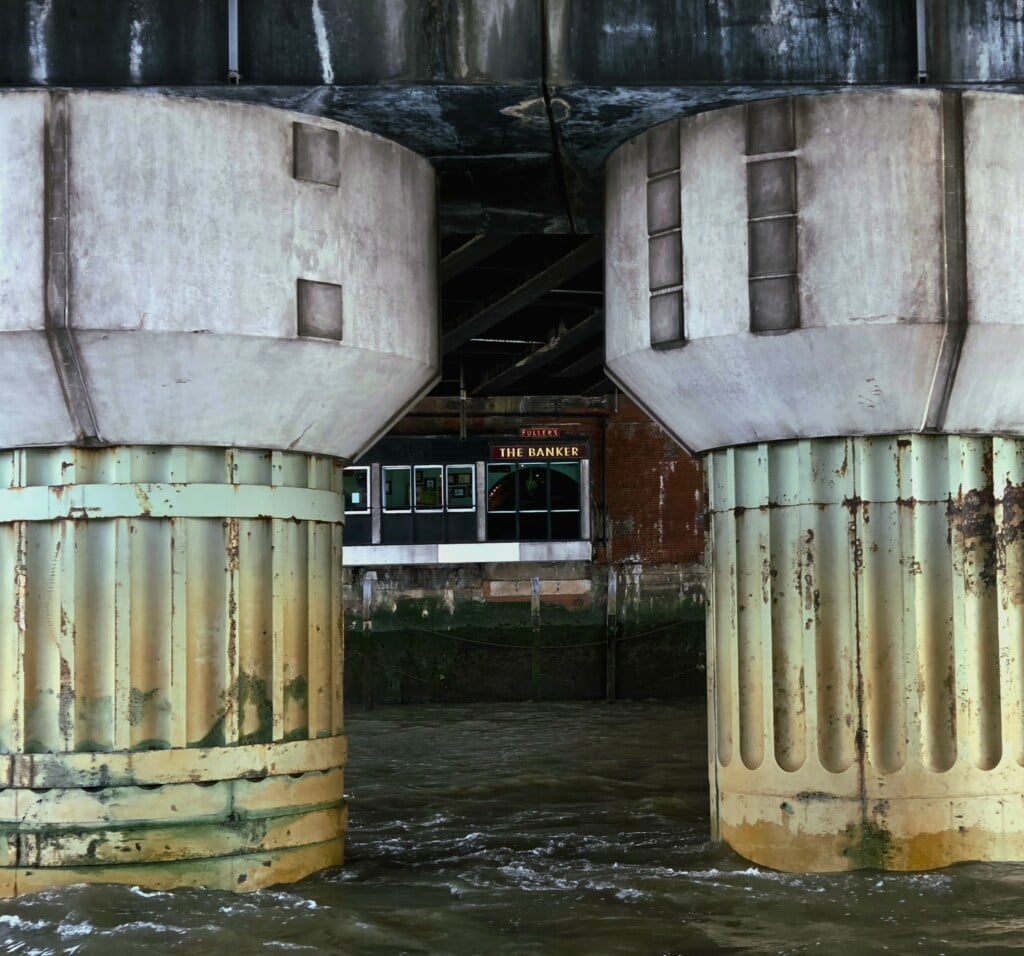

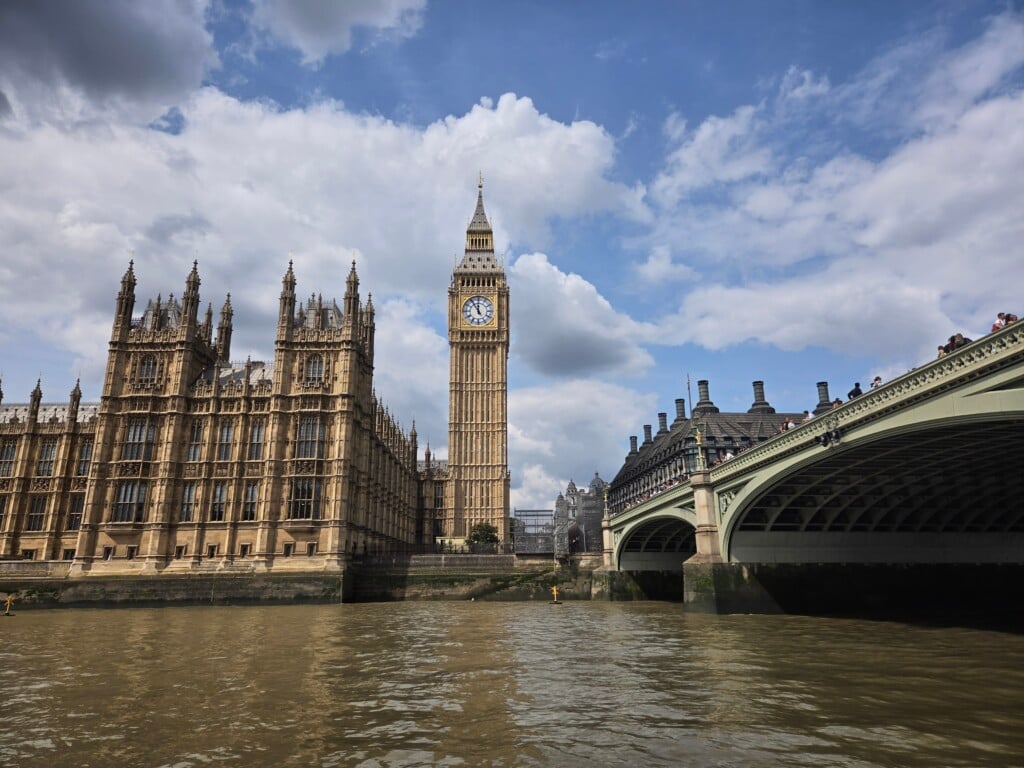
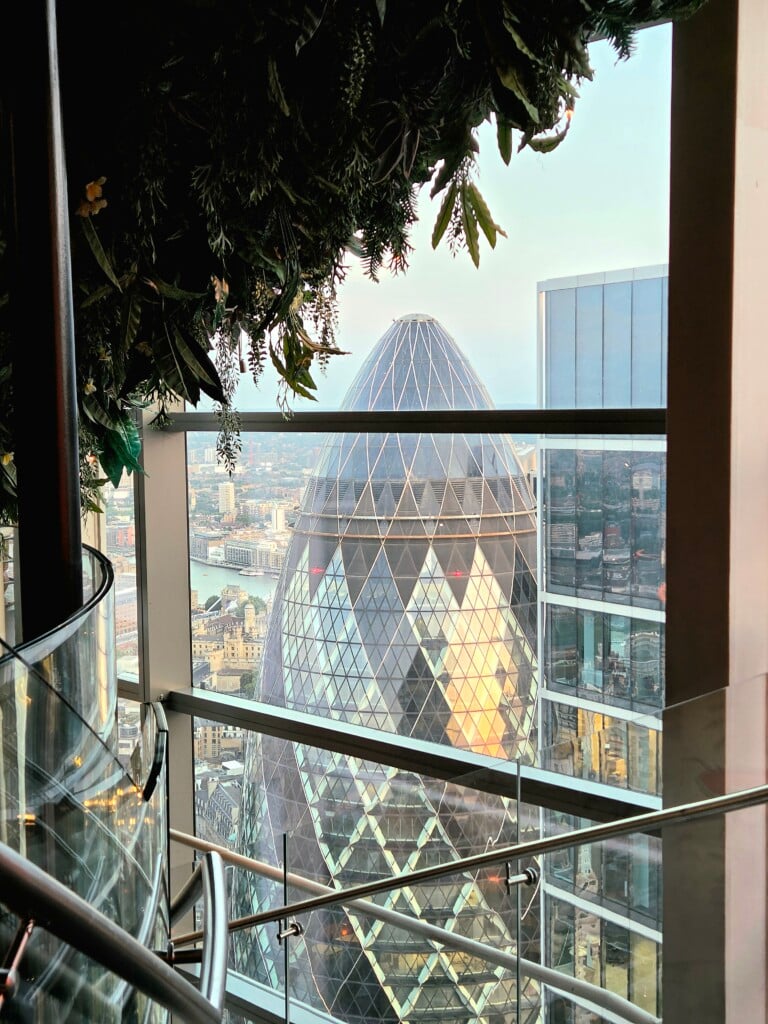
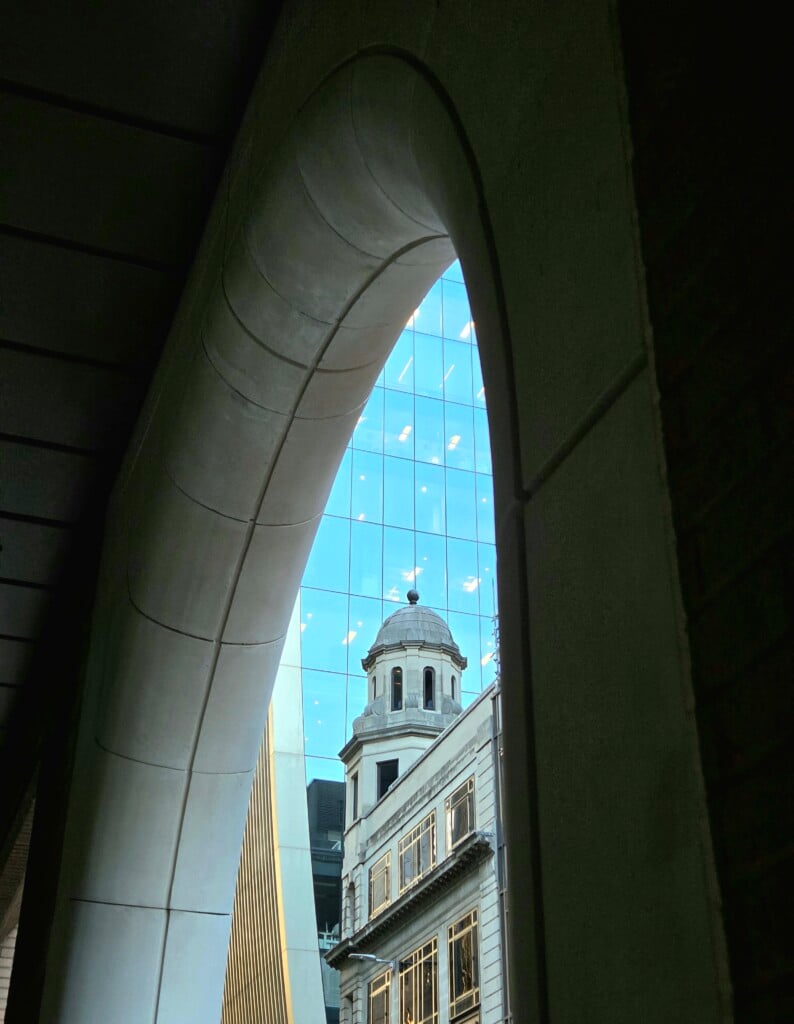
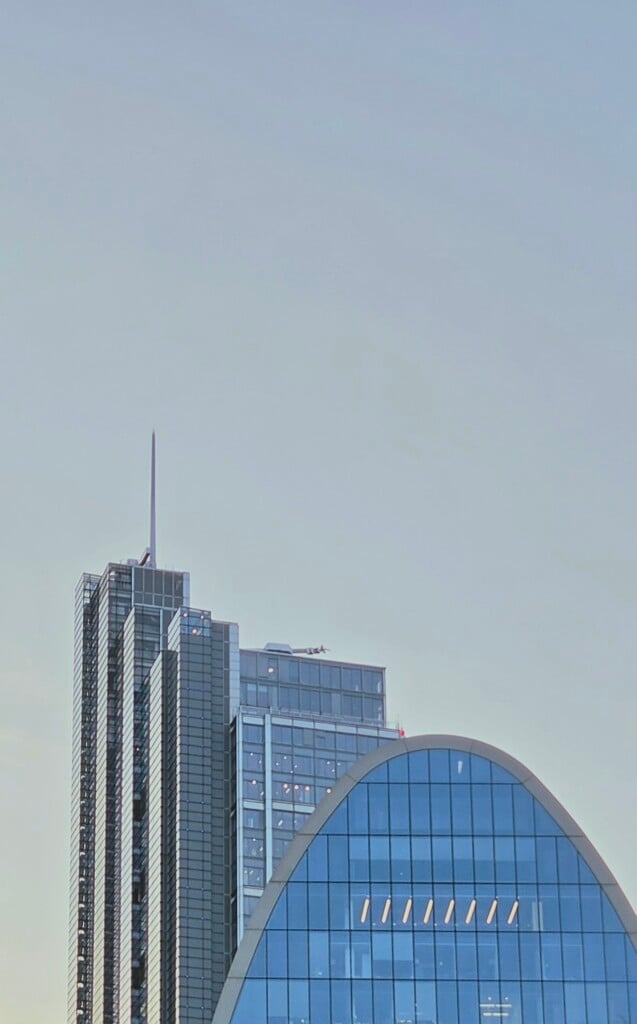
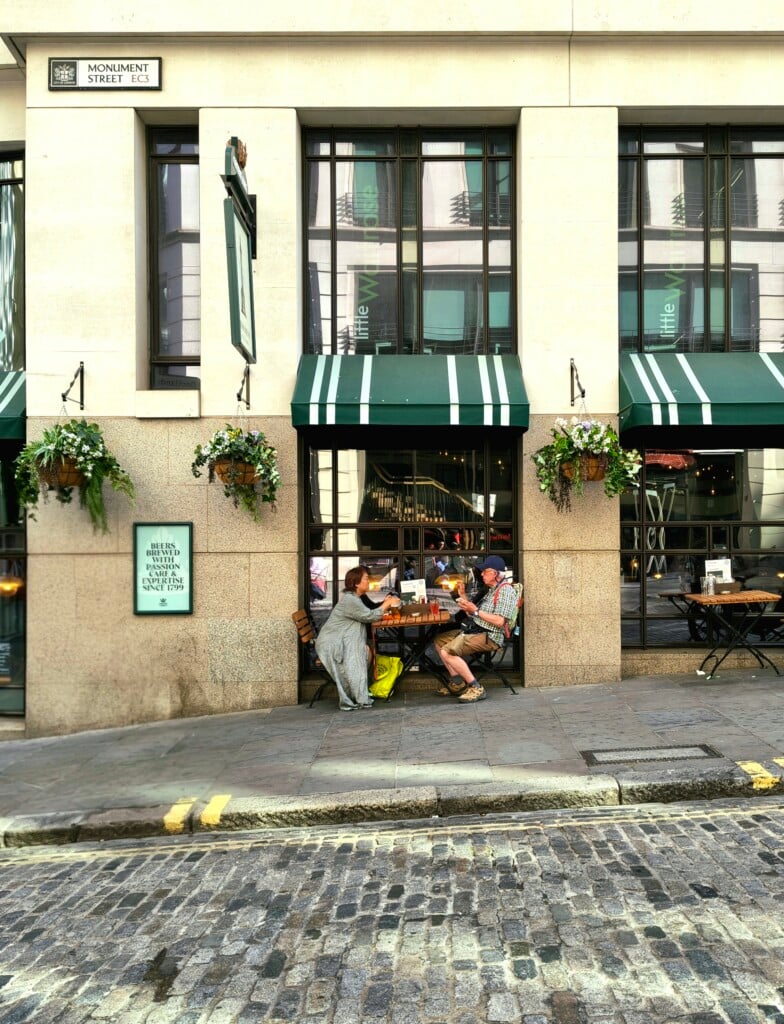
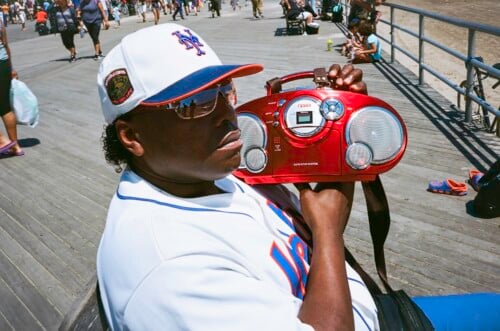
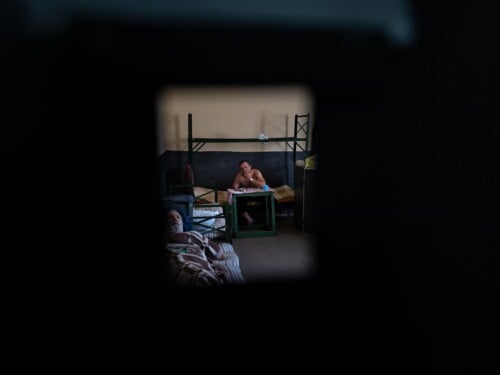
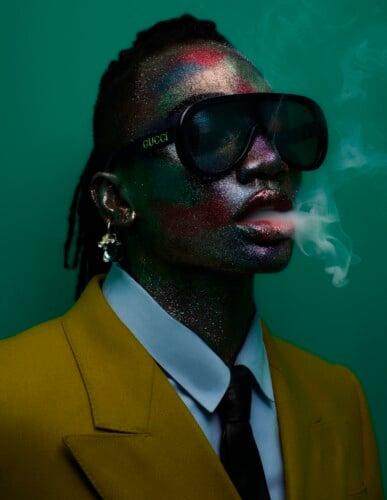
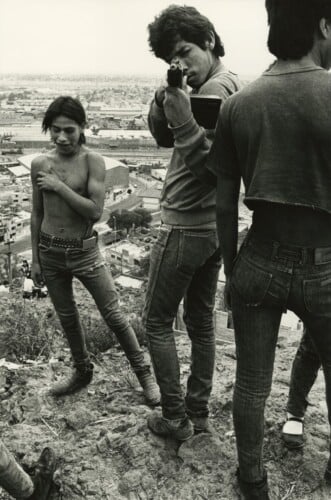
Photos were taken with the Samsung Galaxy Fold8.