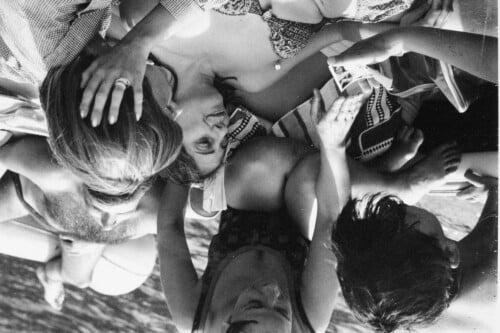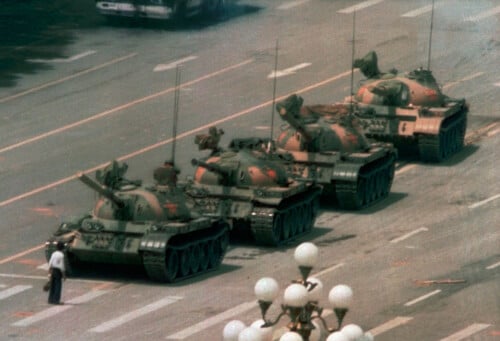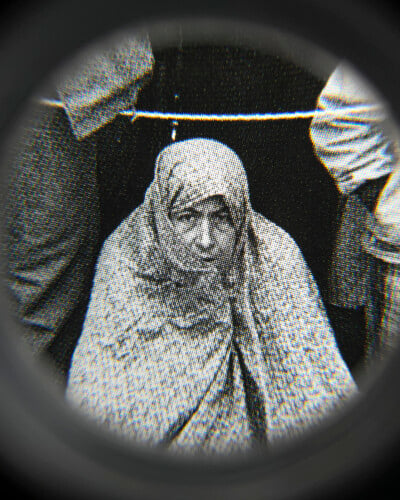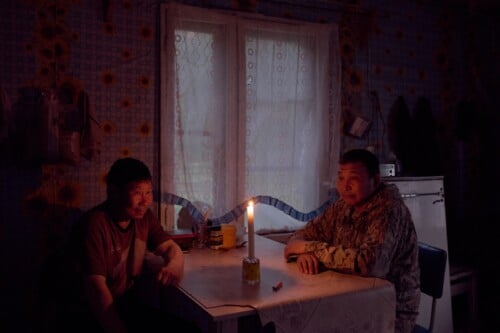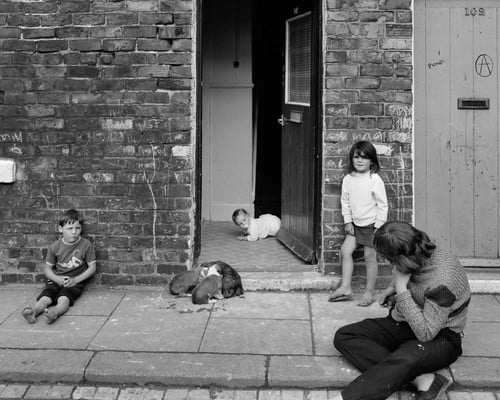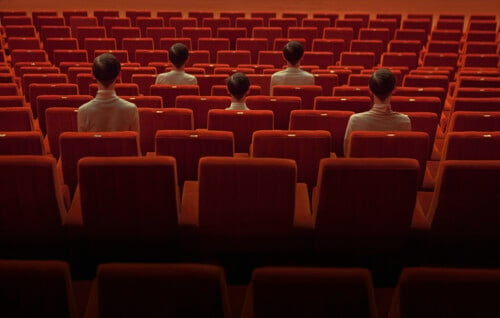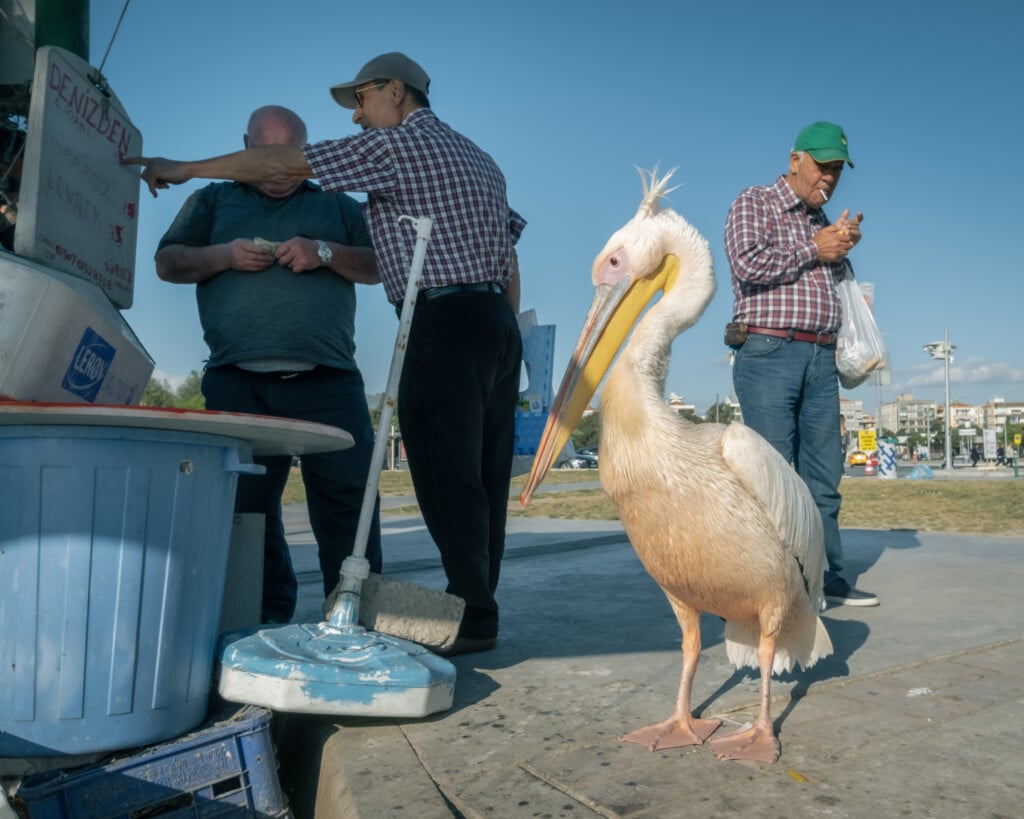
Street54 by photographer Hakan Bıyıklıoğlu was born without a rigid idea, without a project structure defined in advance. It’s a collection that takes shape over time, following a way of being in the street that has more to do with listening than with searching. For the photographer, the street isn’t simply a physical place: it’s a continuous flow, a state of mind. Walking becomes an almost meditative gesture—moving through crowds and spaces without precise expectations, letting what’s already there emerge on its own.

In Street54 there’s no urgency to tell a story or build a linear narrative. The images don’t explain, don’t prove, don’t insist. Instead, they evoke. The street, in this project, doesn’t always speak clearly, but it almost always manages to generate a feeling. It’s in that moment that the photographic gesture takes shape—not as an immediate reaction, but as the consequence of an inner pause.
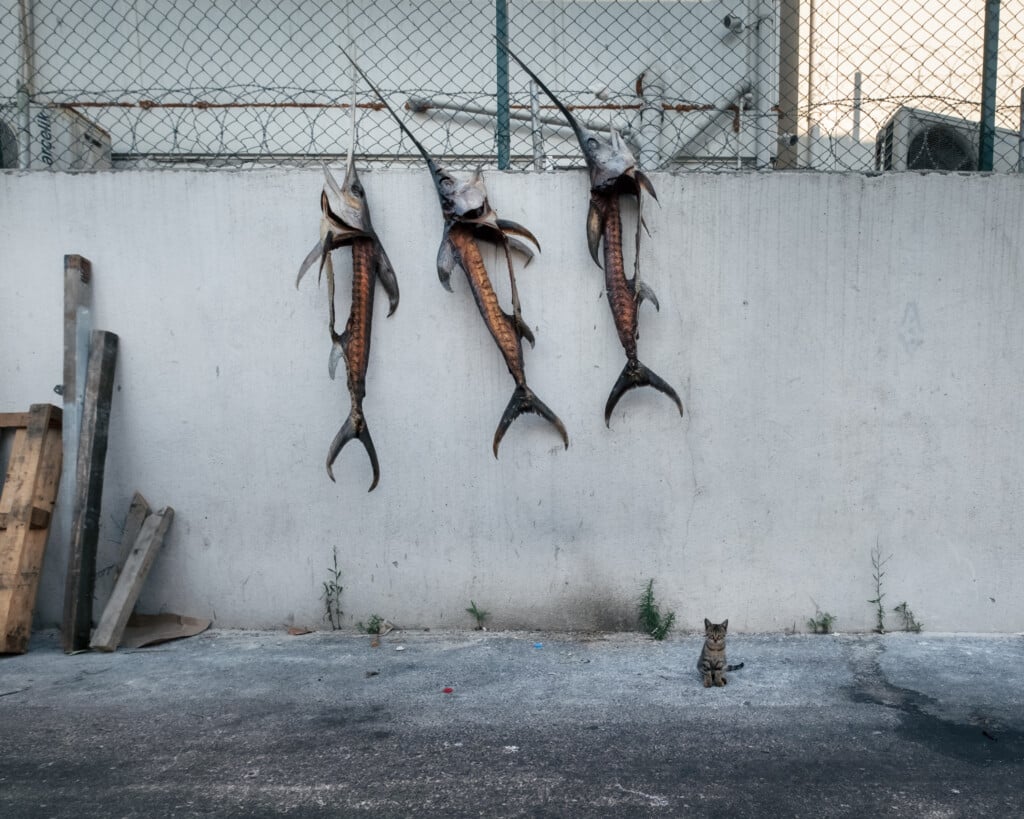


The project’s title itself is essential and revealing: 54 images, all in a 5:4 format. A formal choice that doesn’t chase virtuosity, but works as a coherent container for an emotional experience. Each photograph is a self-contained fragment, born in different cities, under different conditions and moods. And yet, seen together, a silent connection emerges—a thin thread that doesn’t impose itself, but holds everything together.
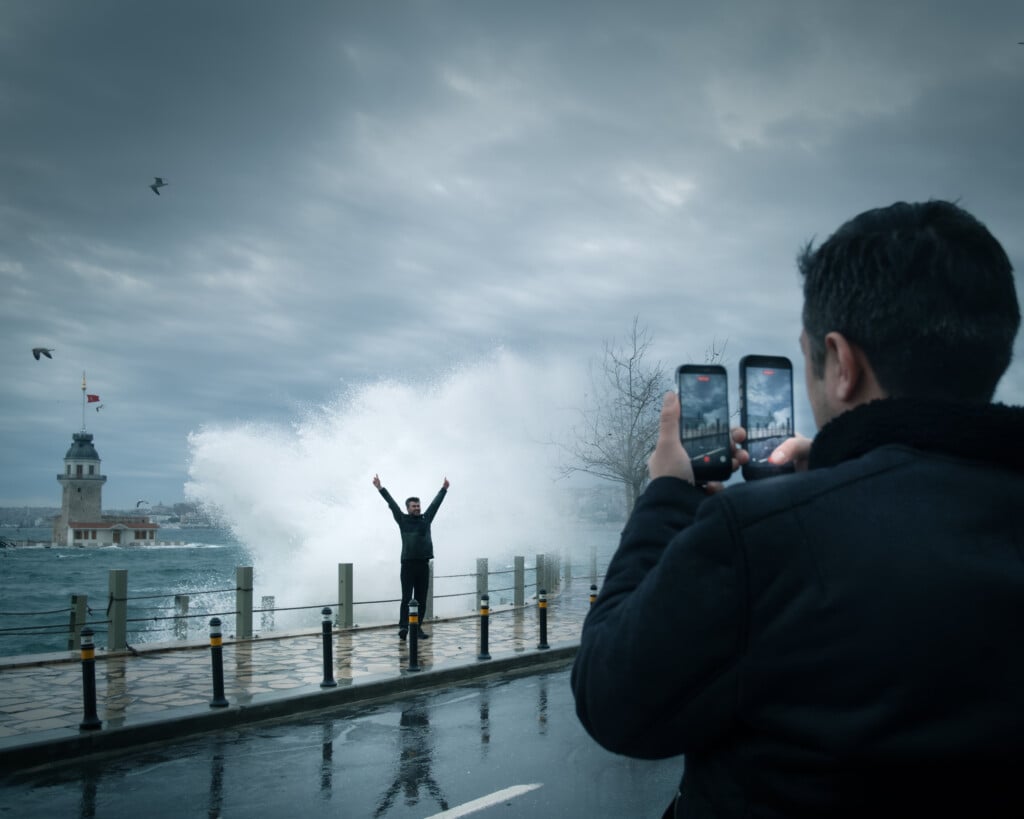
Hakan Bıyıklıoğlu’s relationship with photography began early, even before any technical awareness. No rules, no “right light” or correct angles—just an instinctive attraction to certain moments. Brief moments, often hard to explain, that don’t strike for what they show but for what they make you feel. Over time, that initial impulse turned into a constant question: which images stay, and why? The answer seems to be the same every time: the ones in which a suspension happens, a small pause in time.

The images gathered in Street54 don’t look for the event, but for what comes before or after it. Shadows, geometries, bodies, urban lights appear as transient elements, never absolute protagonists. They’re temporary tools in the service of an emotional state, of a barely perceptible tension. There’s no desire to explain what’s happening, but to suggest that something could happen.


Read also: The Rom Princesses by Manuela Federl