There are stories of failure that tell successes. True, but it is equally true that, as Canadian sociologist Marshall McLuhan said, “nothing goes backwards like success“.
In 1996 two American guys left their country to move to Japan, two expatriates who left what was, and still is, called the land of opportunity, with the dream of doing what they had failed to achieve in their country. But above all because, as they understood the wave that was coming, the country of the rising sun would become a fundamental part, if not the fulcrum, of street culture in the broadest sense of the word, and therefore, it would be a great opportunity to create a cultural bridge between their country of origin and Japan.
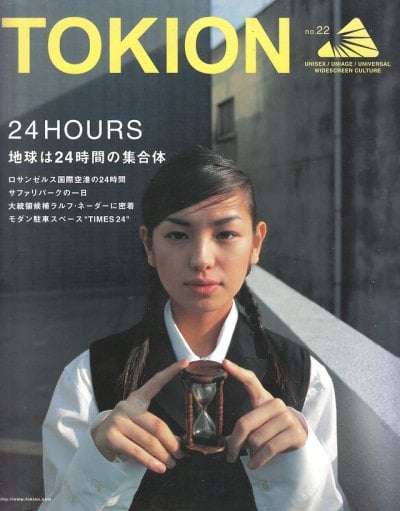
Lucas Badtke-Berkov and Adam Glickman, founded Tokion magazine in 1996.
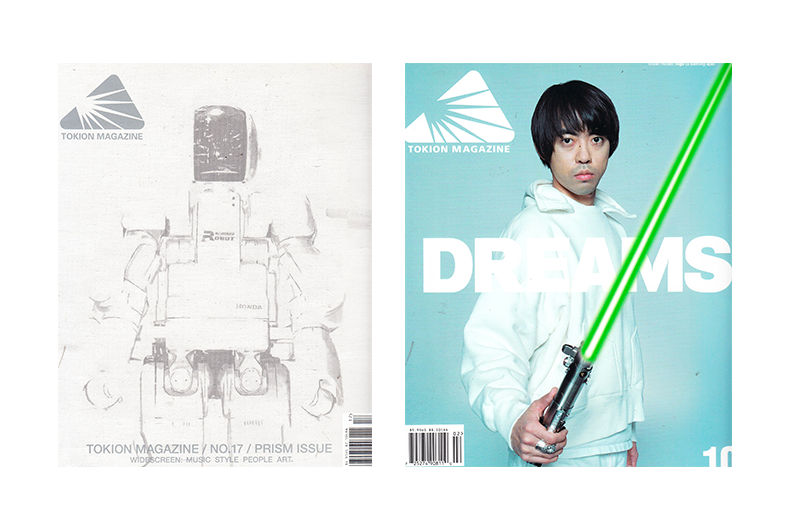
Born as a zine recounting the Japanese cultural explosion of the 1990s, it quickly turned into a glossy magazine for the generation of Japanese youth completely immersed in pop culture. The themes covered focused on art, fashion, music and film and thanks to figures like Nigo, Hiroshi Fujiwara and Shinichiro Nakamura (Sk8thing), Tokyo was also emerging as a creative center of streetwear culture that would soon conquer the world.
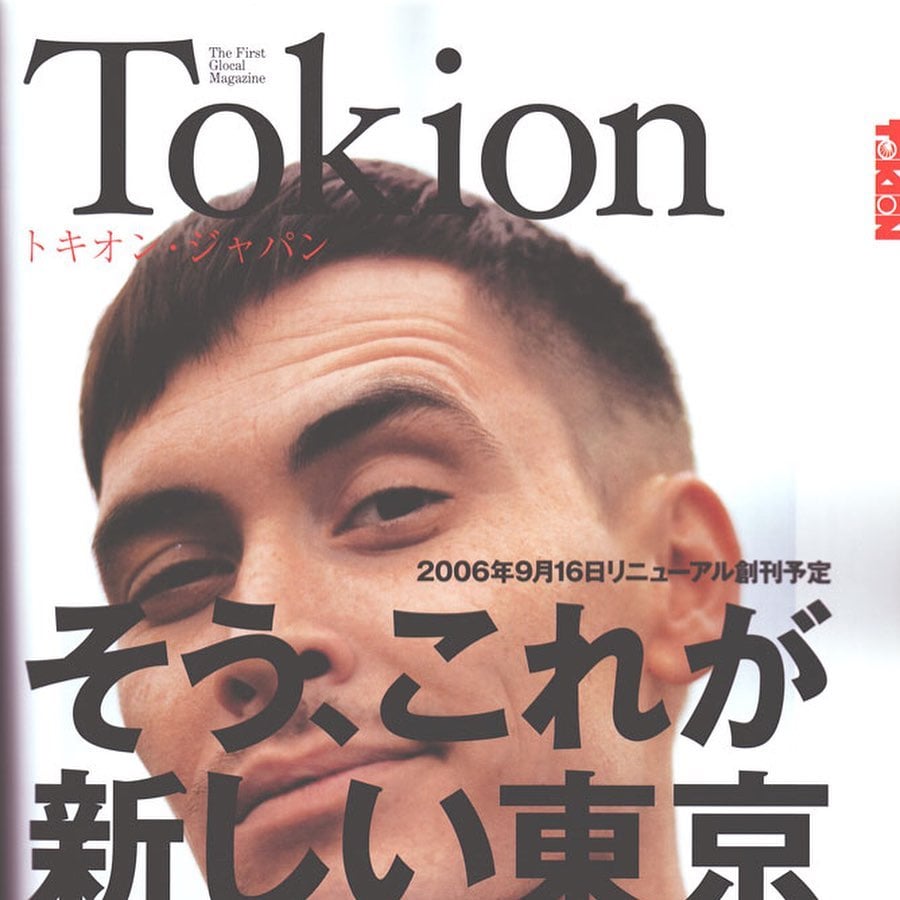
Two years after its founding, the above bridge was completed, Tokion opened an office in Los Angeles and then moved to New York in 2000. This expansion, however, did not benefit the magazine, which was “divided” into two separate entities: Tokion U.S. It shifted the focus from the content inspired by what was happening in Japan, to the aesthetics of New York street culture, and then became a magazine almost entirely dedicated to more global art, with interviews with the likes of Lou Reed, Richard Prince, James Brown, Francesco Clemente, Roger Corman, Ed Ruscha and Jeff Koons, while continuing to give space to emerging artists such as Harmony Korine, Miranda July, Cory Arcangel and Simone Shubuck.
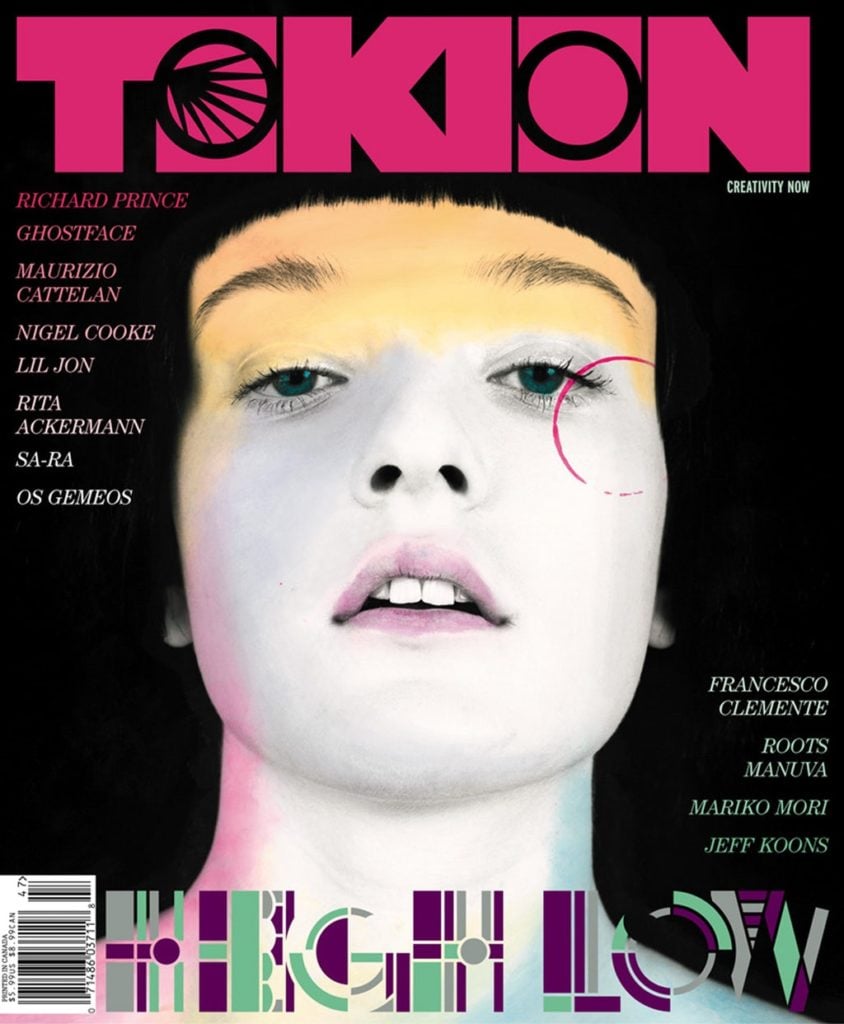
Lucas Badtke-Berkov stayed in Japan to manage the original team moving more and more towards “soft” themes such as travel, while Adam made those changes to the editorial line until they came to talk about a real formal dissolution, in essence they had become two different magazines.
In 2002, however, Badtke-Berkov sold his shares in the magazine to Glickman who continued to publish the two editions (Japanese and American) until 2005, when the Japanese one was sold to Infas Publishing Company and the following year also the American one changed ownership, ending up in the hands of the independent publisher Larry Resenblum.
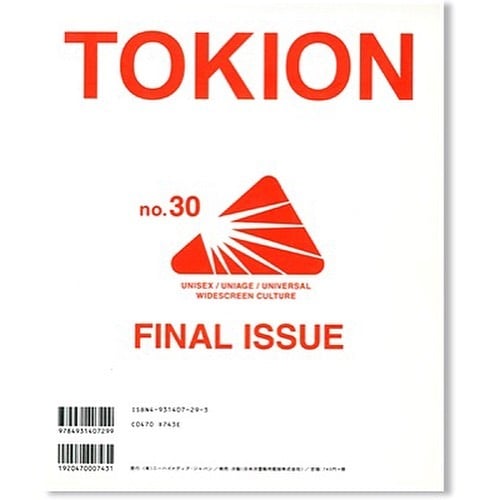
The final closure came in 2009 when all that was left of a dream, an adventure, a simple magazine, which before many others had understood how much street culture related to fashion, art, cinema and music was central, was sold by foreclosure to Donald Hellinger, president of Nylon Holding, Inc., who renamed the magazine, Factory, distributed exclusively in the United States.

A fact that perfectly explains how much Tokion represented that cultural link between Japan and the United States is the collaboration between the magazine and Supreme in 2001.
The two companies founded their partnership on the basis of their extremely similar foundations: in 1998 Tokion landed in the States just as Supreme opened its stores in Japan, figures like Lou Reed and Harmony Korine were a great source of inspiration for both of them.
The result of the collabo was a logo box completely different from any other that the brand founded by James Jebbia has ever made: it does without the traditional Futura Bold font and replaces it with an image of the skyscraper that housed the Tokion offices in New York in 2000, a sort of physical representation of the magazine, with the co-branding, “Supreme vs Tokion“, clearly visible but extremely clean and discreet. On the left sleeve instead, the two logos are one above the other.
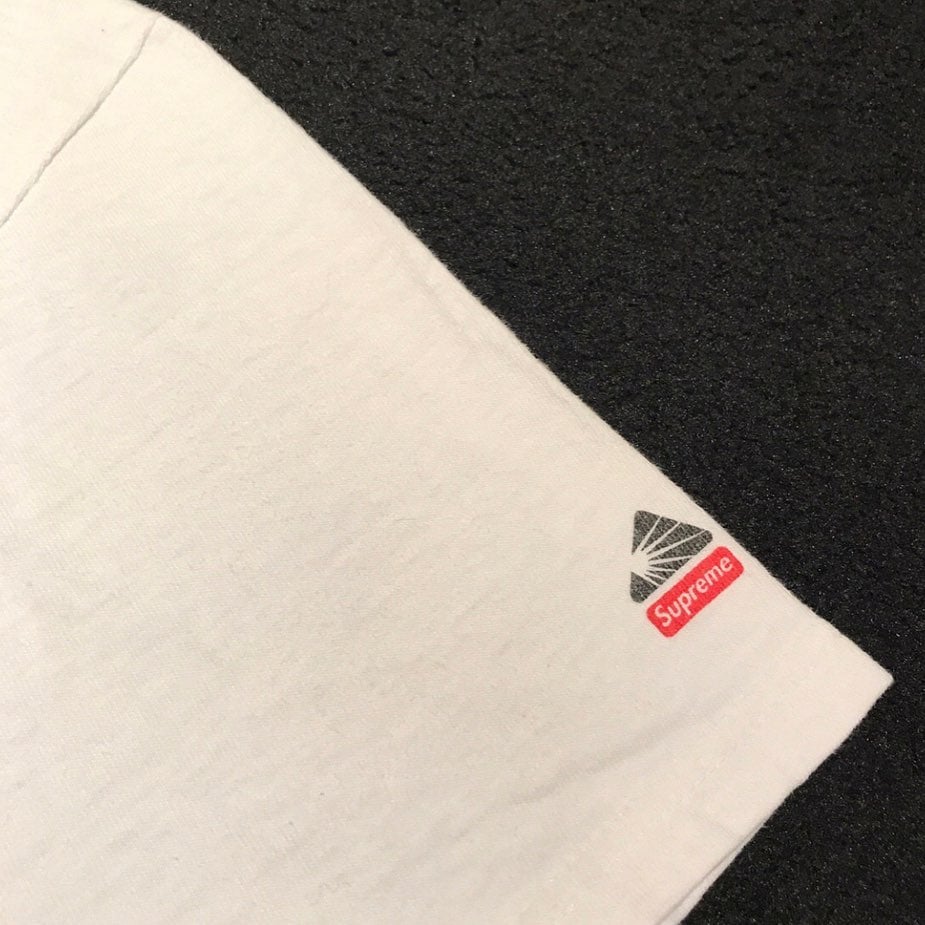
It seems that the quantity of T-shirts produced is about 100 pieces, which makes this t-shirt one of the rarest pieces ever produced by Supreme and also explains the amount, very high, to be able to take it home (over 5000 dollars).
This tee represents the perfect fusion of two culturally influential entities that shared culture, dreams and ideals.