In recent years, especially following the release of certain films, we’ve frequently heard about the resurgence of cinema. We could mention Oppenheimer, Barbie, Poor Things among international releases, or C’è ancora domani and the more recent Parthenope if we focus on Italian films. These are movies that, right from their opening days, have managed to draw large crowds to theaters, making it impossible to ignore a shift compared to a few years ago.
The reasons for this can be traced to several factors. One of them is linked to the natural lifecycle of things, especially streaming services, which, after experiencing a boom, are now beginning to struggle, raising subscription prices and adding dreaded ads. Part of the credit also goes to the massive budgets invested in marketing campaigns that sometimes start a couple of years before a film’s release, featuring events, OOH campaigns, guerrilla marketing, and merchandising. Another reason is surely tied to the “Covid period” and “post-Covid” phase, when theaters closed their doors—sometimes indefinitely—and when we finally got the chance to sit back in a theater seat with all its comforts, we couldn’t resist it.
We all know that when we talk about cinema-related comforts, we’re talking about popcorn. Well, in recent years, we’ve realized that when we talk about cinema-related marketing, we’re also talking about popcorn, more specifically, the popcorn bucket.
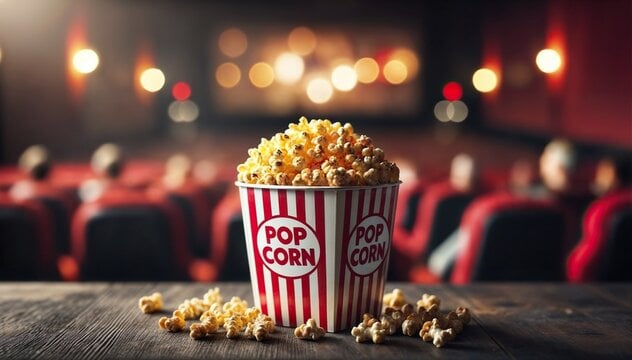
The popcorn bucket has always existed, at least as long as popcorn has been served in cinemas. It’s simply the container used to serve popcorn. Some are made of cardboard, others of hard plastic, and in most cases, they come in various sizes, from small to jumbo. Until a few years ago, the most creative designs only involved minor aesthetic customizations by brands or theaters.
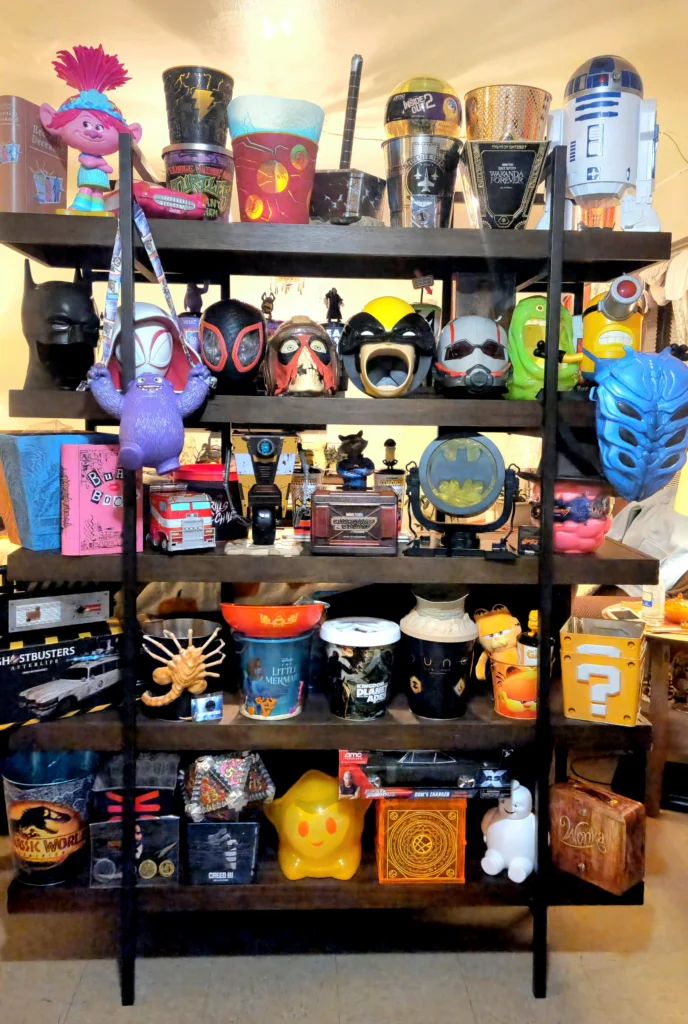
Only recently has the level of customization increased, modifying the container’s design based on the movie playing. Some might consider it a useless object or a waste of money, with prices ranging from $20 to over $60, but today it’s seen as one of the most coveted items by the audience, a true collector’s piece.
In the U.S., where the customer is always right, many national theater companies have started producing absurd buckets, aiming to go viral and drive prices up. A prime example is the popcorn bucket created for Dune 2, which, with a design deemed ambiguous, became a TikTok meme sensation for weeks, even prompting American host Jimmy Kimmel to joke about it with the movie’s cast.
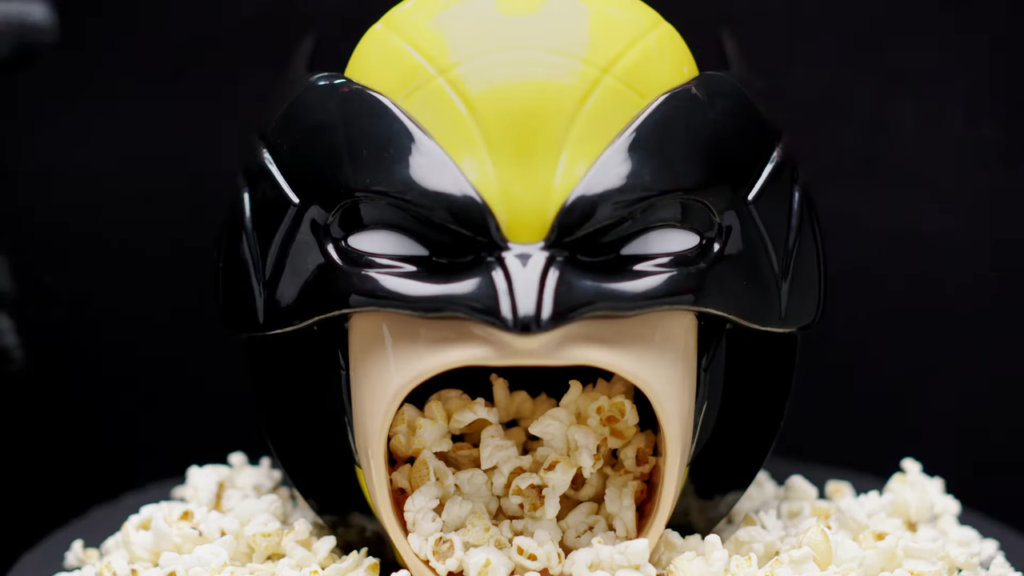
But this isn’t the only case. Another memorable example is the Deadpool & Wolverine movie. On May 30, Ryan Reynolds posted a video introducing the popcorn bucket, commenting, “Years from now they will look back at 2024 as the year the War of the Popcorn Buckets began“.
The popcorn bucket trend started quietly a few years ago and has fully exploded this year.
Visualizza questo post su Instagram
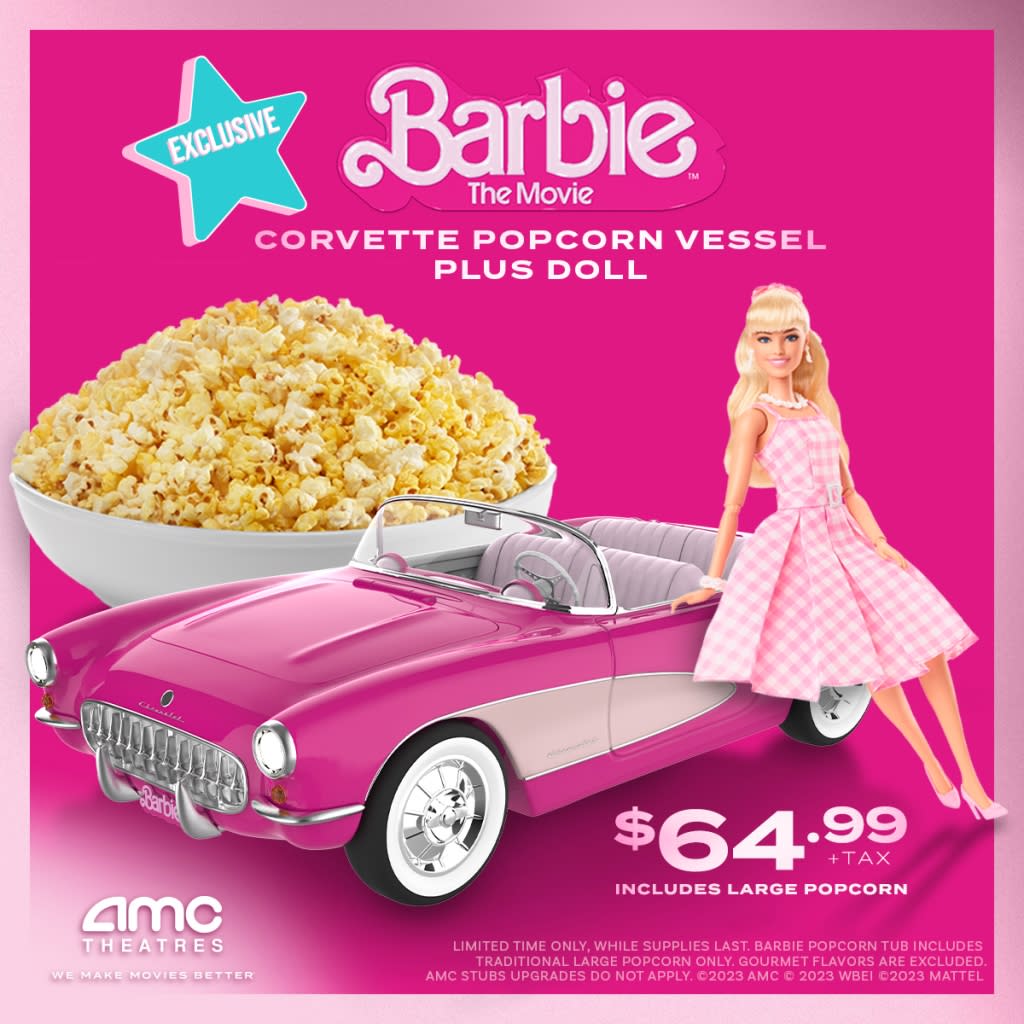
To include everyone, we could mention the light-up one for Inside Out 2, the pink Corvette-shaped one for Barbie, and the Beetlejuice-themed bucket for Tim Burton’s 1988 film sequel.
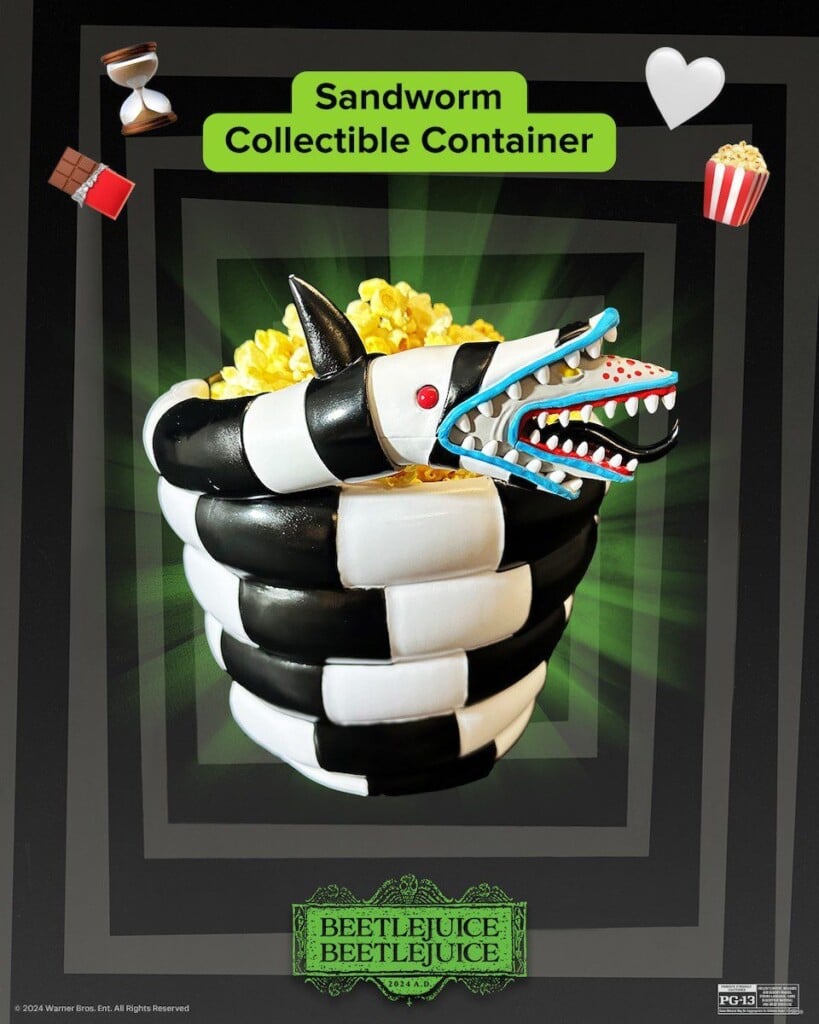
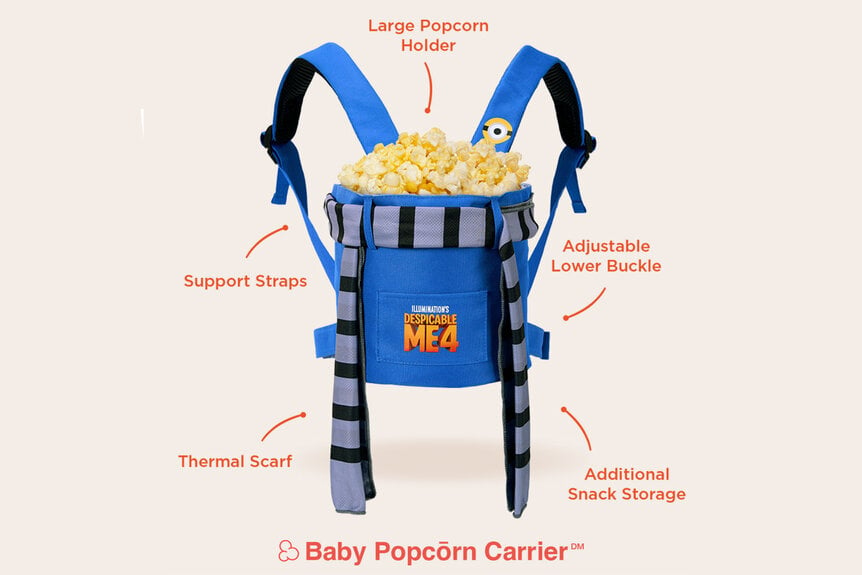
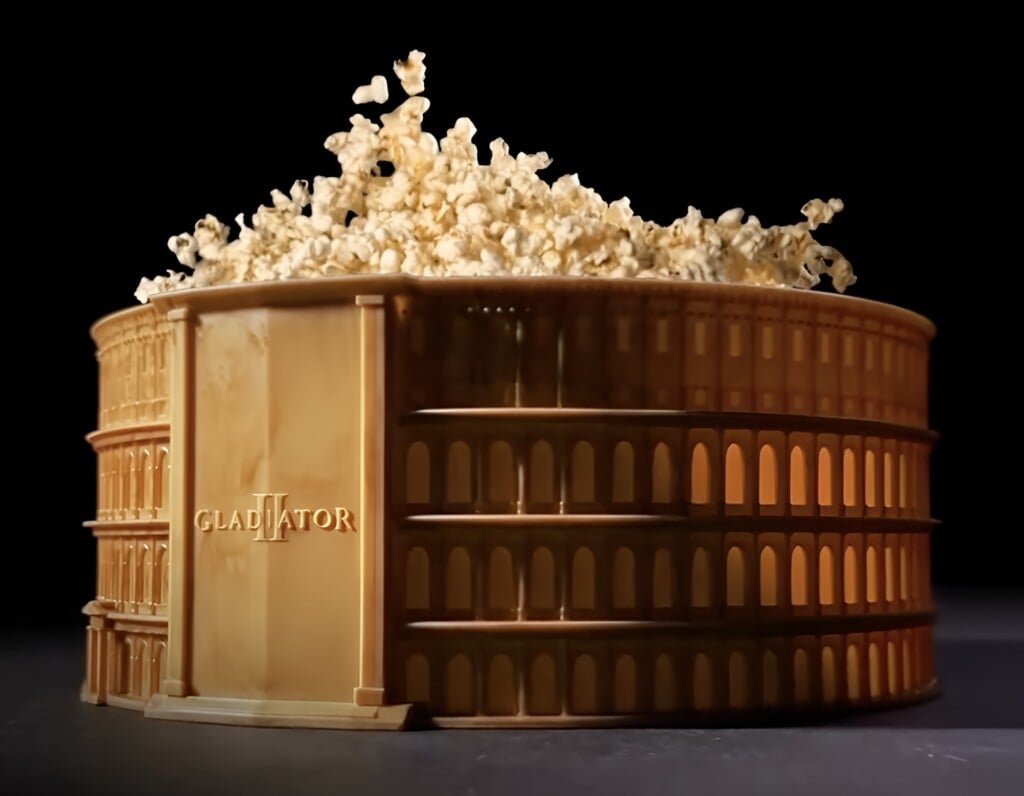
And we could go on endlessly, from the baby carrier-like bucket for Despicable Me 4, to the upcoming Gladiator 2 Colosseum-shaped bucket, or even the first popcorn bucket customized in this way, made in 2019 for Star Wars: The Rise of Skywalker, shaped like R2-D2.
Now, we could throw in a light critique about how hypocritical it is to complain about movie ticket prices while we’re willing to pay $60 for what, in the end, is just a popcorn container. But if the design of these popcorn buckets helps draw more people into theaters, fill seats, and allow audiences to leave with a memory of the film, then we can call it a marketing move that hits the mark. And if you don’t have one, it’s probably because they haven’t made one for your favorite movie yet.