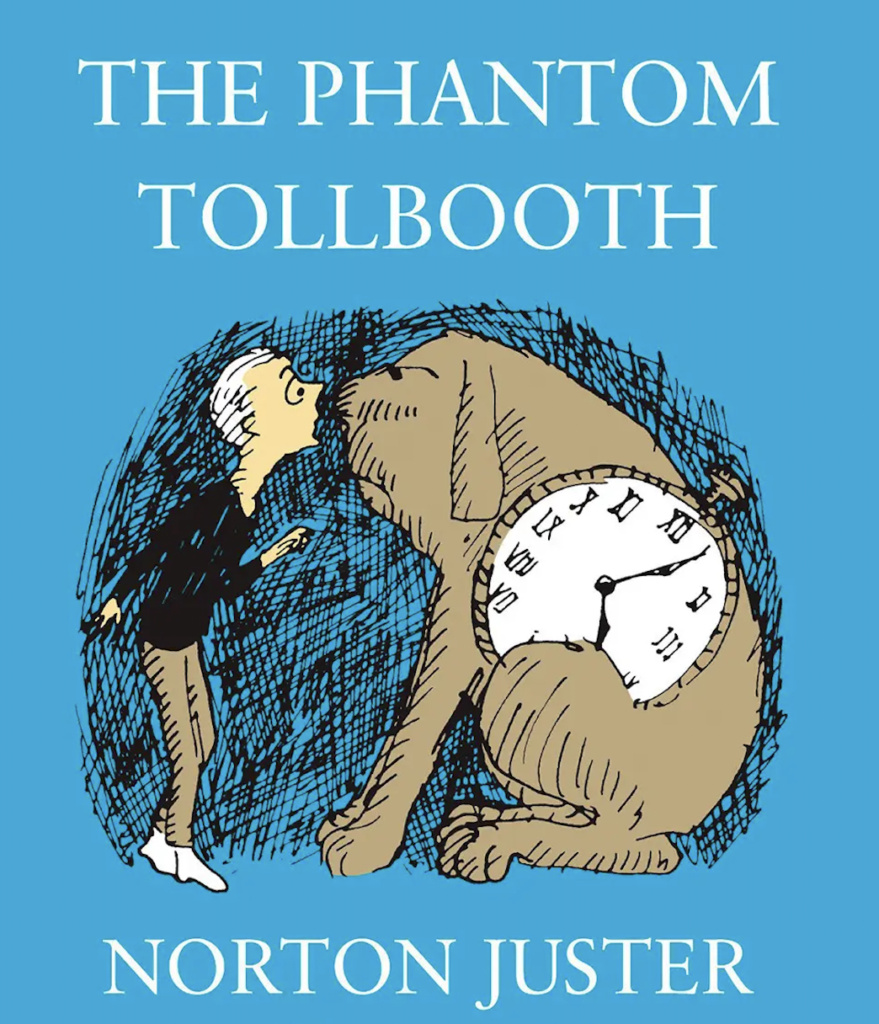
Like everyone else, we’ve been listening to Tyler, The Creator’s new album, Chromakopia. From the very first moment—even before pressing play on the first track—we were captivated by the aesthetics of this new album, which had already caught our attention with the teaser video St. Chroma. With its unsettling atmospheres, references to his Nigerian roots (starting with his hairstyle), and a red thread seemingly linking the album’s concept to Chroma The Great, a character from Norton Juster’s The Phantom Tollbooth, the album pulls us in. However, what intrigues us most is the creative and communicative use of color. Let’s explore why.

The artwork shown at the end of St. Chroma is green—Tyler’s favorite color and also the color of his favorite hat (hence the nickname “Tyler Mr. Green Hat”). This may allude to the many “hats” he has worn over his career, as a musician, director, designer, and much more. Compared to IGOR, the color scheme has completely changed, moving in an opposite—and complementary—direction. It almost feels like a risk, yet at the same time, a necessity to draw a parallel to Charli XCX’s “bratty” green, which chased us all summer and continues to pop up everywhere.

The album’s title is written in uppercase: CHROMAKOPIA. Let’s start with the etymology: “Chroma” means “color,” and “kopia” suggests “an abundance of something.” In the video, which begins in black and white, masked men (likely other hip-hop/R&B artists) are led into a container by St. Chroma, played by Tyler, who then makes it explode, releasing colors on the screen (it’s worth noting that St. Chroma wears a green glove). Considering the possible reference to The Phantom Tollbooth, Chroma the Great is precisely the conductor who creates the colors of the world—a figure that might reflect Tyler, The Creator’s role.
In St. Chroma, Tyler seems to identify as a powerful bearer of color and explosive creativity in an otherwise monochromatic world, almost a critique of a society fearful of truly bold creativity—a trait that not everyone dares to embrace. It may also be a nod to a message Tyler has long upheld: “Never let the world turn your colors black and white.”
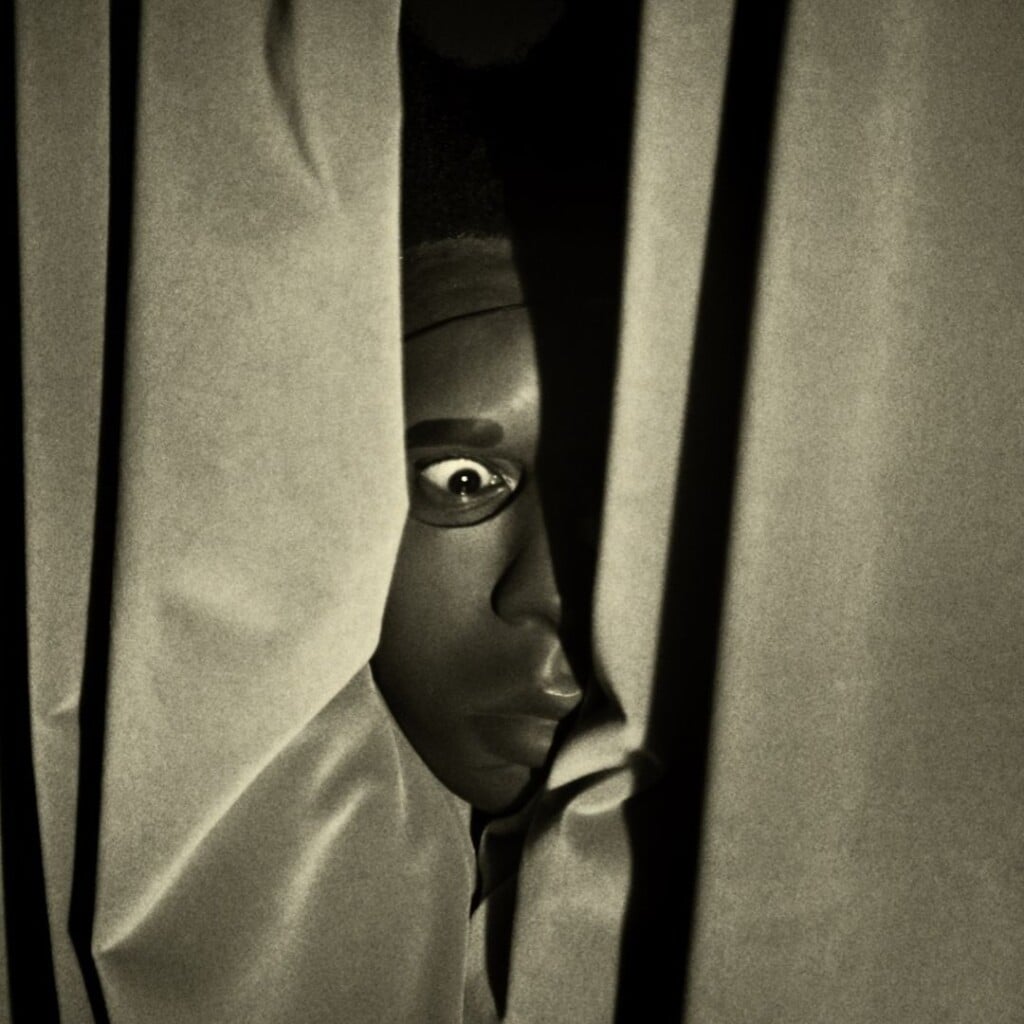
According to some Reddit users, “chroma” has a second meaning: “the shade of a color influenced by the amount of black or white in it.” This touches on themes of personal and creative expression and how Black individuals are often limited in how they can “show their colors.”
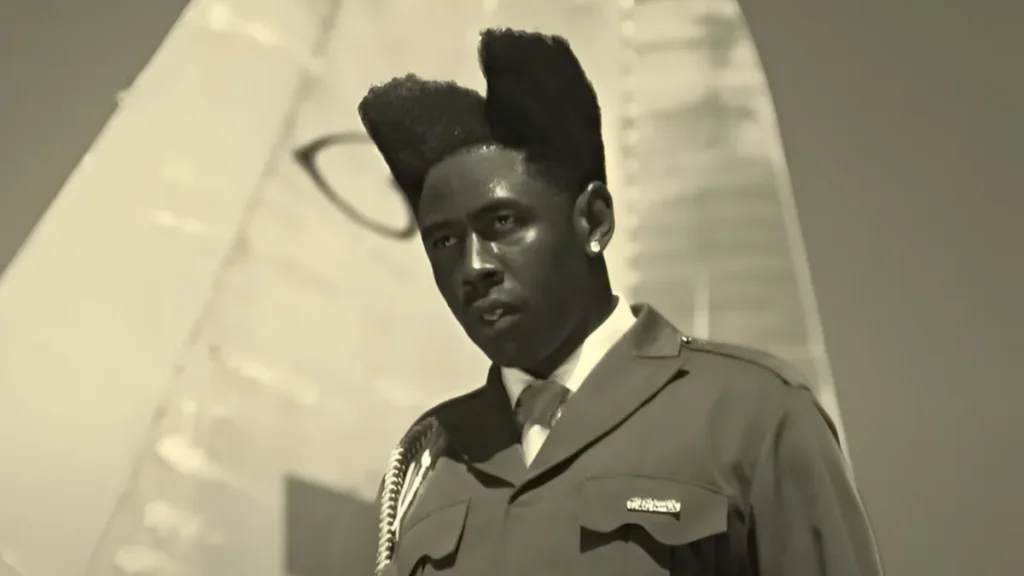
The use of color in this album makes us reflect on how something so simple—especially on a chromatic and visual level—can carry such significant meaning, even for those who approach it solely through the music of one of the most influential artists of this generation. “What makes us lose our own color?” Tyler, The Creator seems to ask, not only with his music but also through the powerful visuals of the artwork and videos that accompany the release of his eighth album.