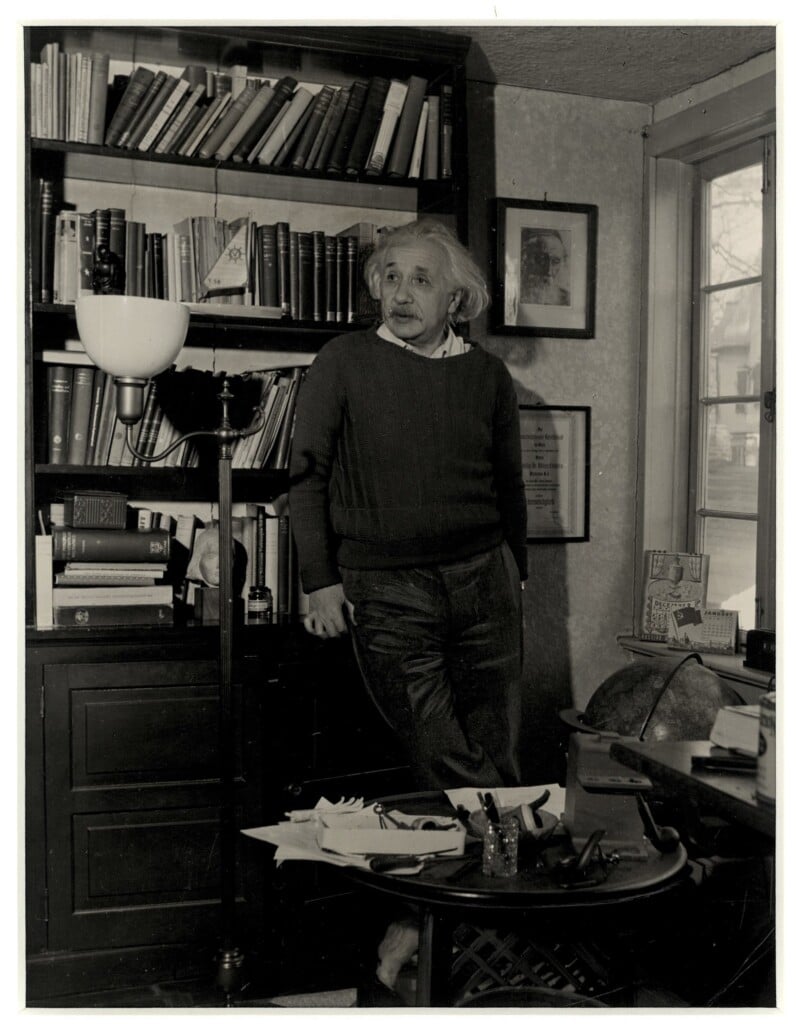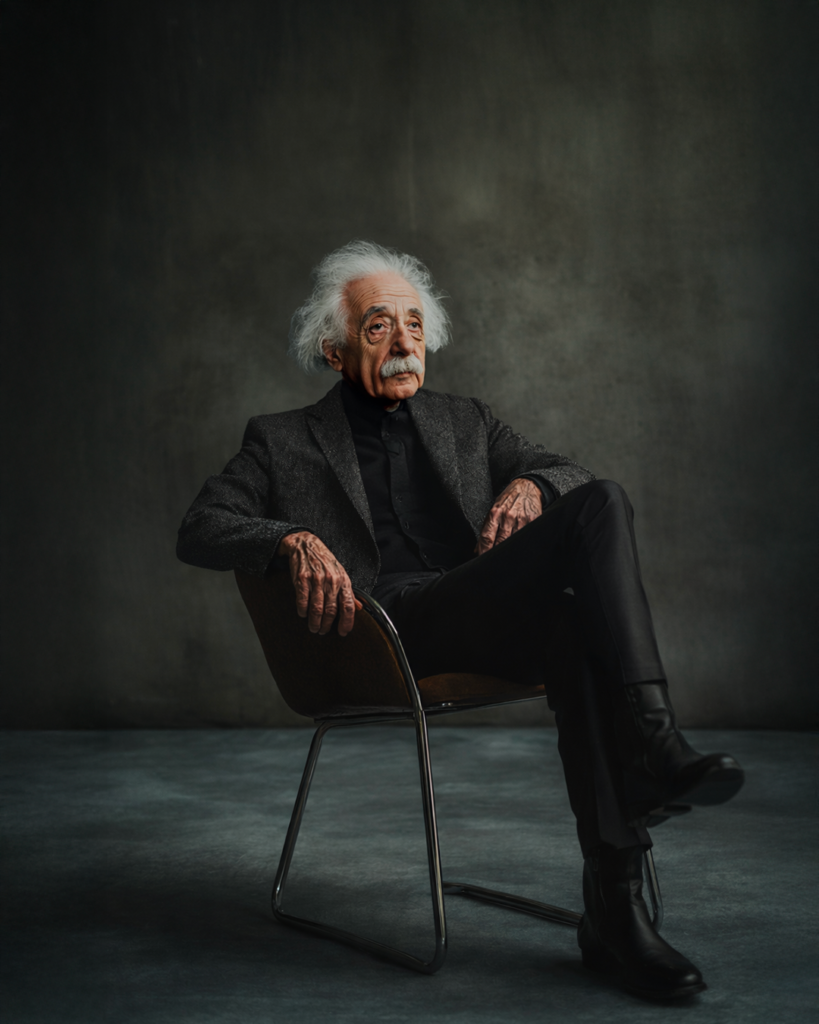
Albert Einstein signed a letter to Roosevelt in 1939 that would pave the way for the Manhattan Project, and he spent the rest of his life regretting it, going as far as saying that if he had known how it would turn out, he would have become a watchmaker instead. He understood, before most, that science without an ethics equal to its power isn’t progress, it’s just force without direction.
In this episode of WHAT IF we try asking Albert Einstein what he thinks of a world where that same question, technology yes, but at what cost, comes up again every day, this time not with bombs but with systems that quietly work their way into trust, autonomy and individual responsibility.
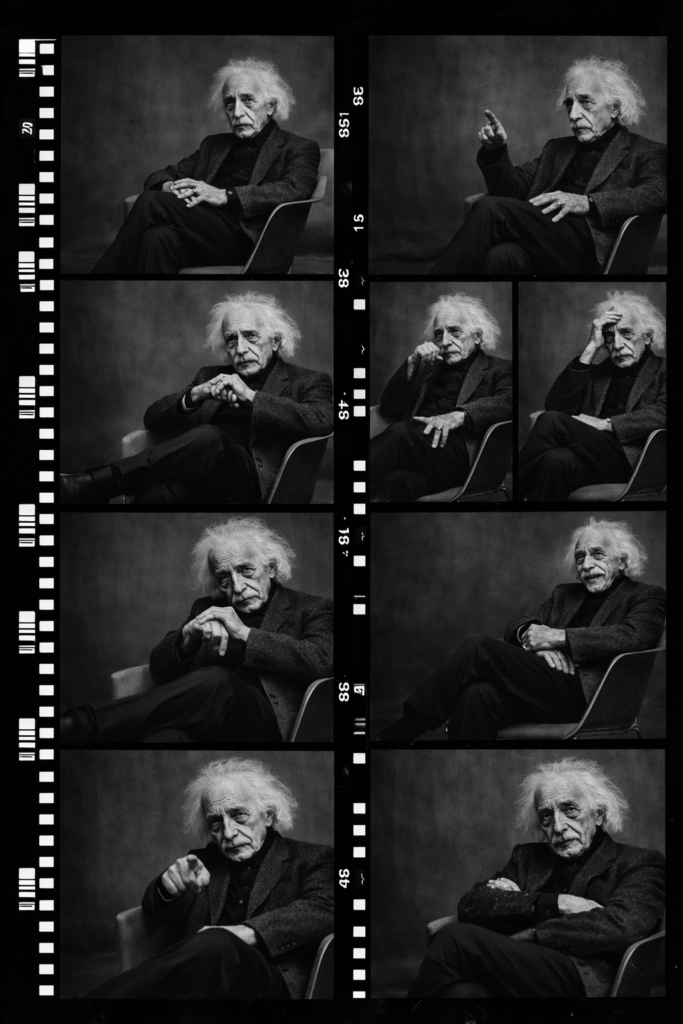
You watched physics turn into a weapon of mass destruction and you regretted it bitterly. Are we making the same mistake again?
As has often happened throughout history, scientific progress is never neutral: it can be used to build or to destroy. The problem isn’t technology itself, but the absence of an ethics equal to the power of that progress. I’m afraid the mistake is the same, but the speed is different. Not with atomic bombs, but with systems that shape trust, autonomy and individual responsibility.
If we get the answer but lose the explanation, the “why,” is science dead?
Science isn’t just a set of effective answers; it’s a way of understanding the world, a process of building meaning. Reducing science to the mere ability to predict phenomena, without seeking to understand why those phenomena happen, is to strip it of its soul.

How relevant do you think the phrase “it has become appallingly obvious that our technology has surpassed our humanity” still is, and what shade of meaning has it taken on?
Technology can surpass our humanity if we don’t keep renewing our ability to bring values, empathy and moral responsibility into science and technology. Right now you’re handing over interpretive and decision-making power to systems that have neither consciousness nor compassion.
What discoveries and what kind of technology do we need today?
We need technologies that don’t just solve problems, but strengthen our ability to choose and to understand what really matters. We need a social technology.
Is time travel still a scientific hypothesis, or just an illusion?
Relativity showed that time isn’t universal but depends on the observer. That opens up fascinating ideas about time as a dynamic dimension. But I believe the only true time travel available to human beings remains memory, and perhaps music: the only time machines that don’t violate the law of conservation of energy.
Is this the future you imagined?
No, not at all. And not because you have machines I don’t understand, but because you’ve brought about my greatest fear: perfection of means and confusion of ends. I never imagined the future in terms of things, but in terms of how humanity would choose to use them. Looking at your time, I see great achievements, but also a new kind of fragility. The question is: do you really want this to be it?