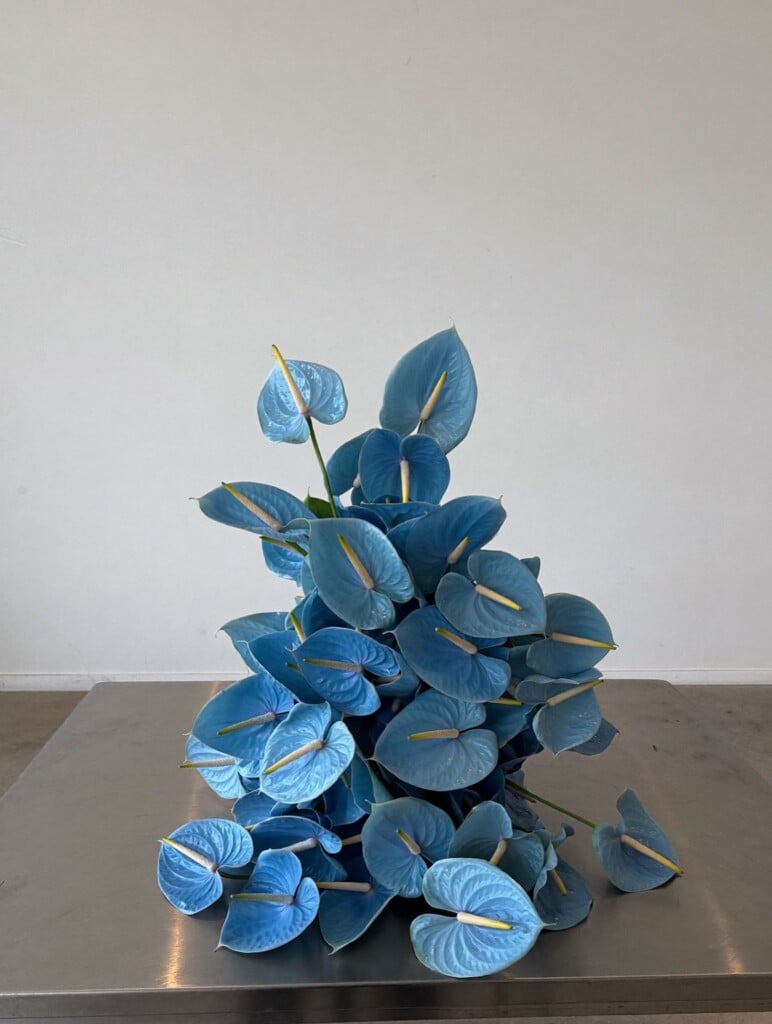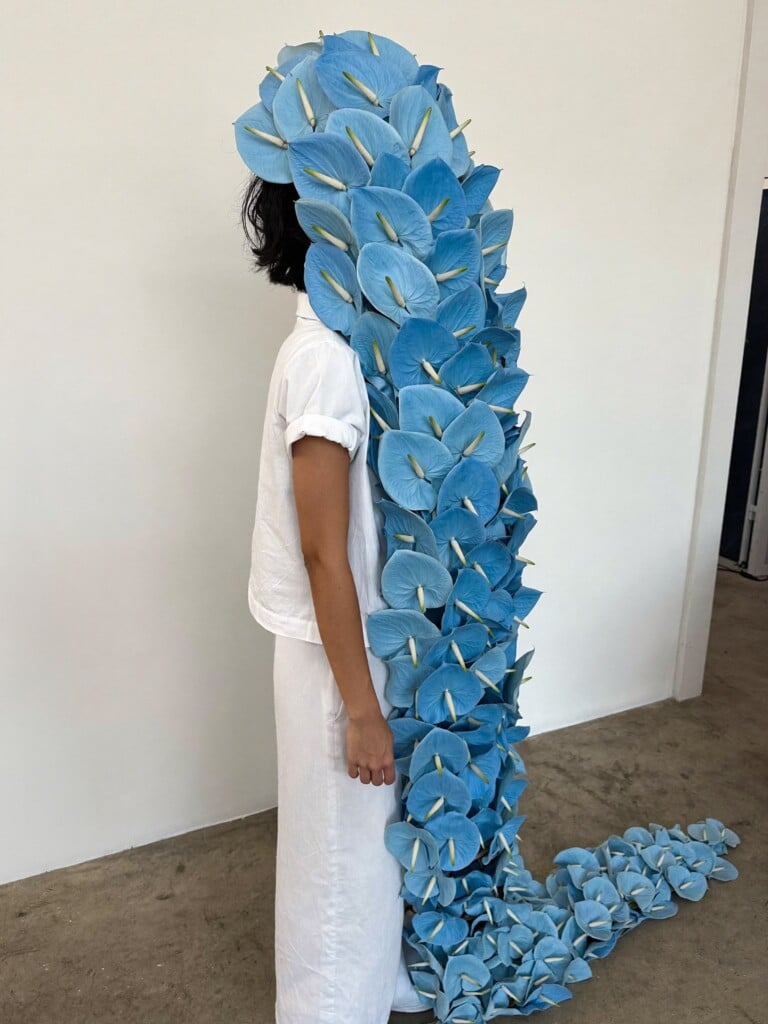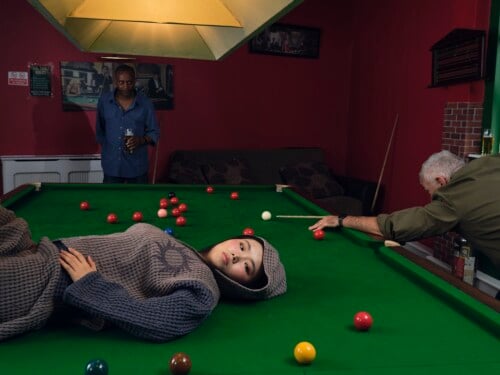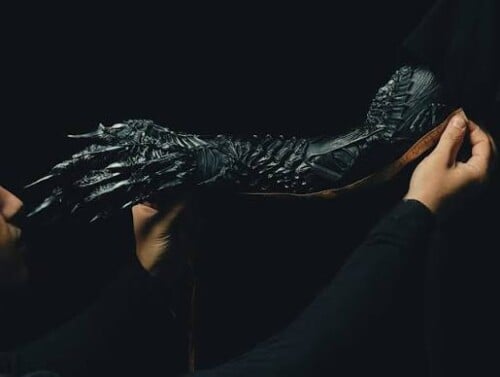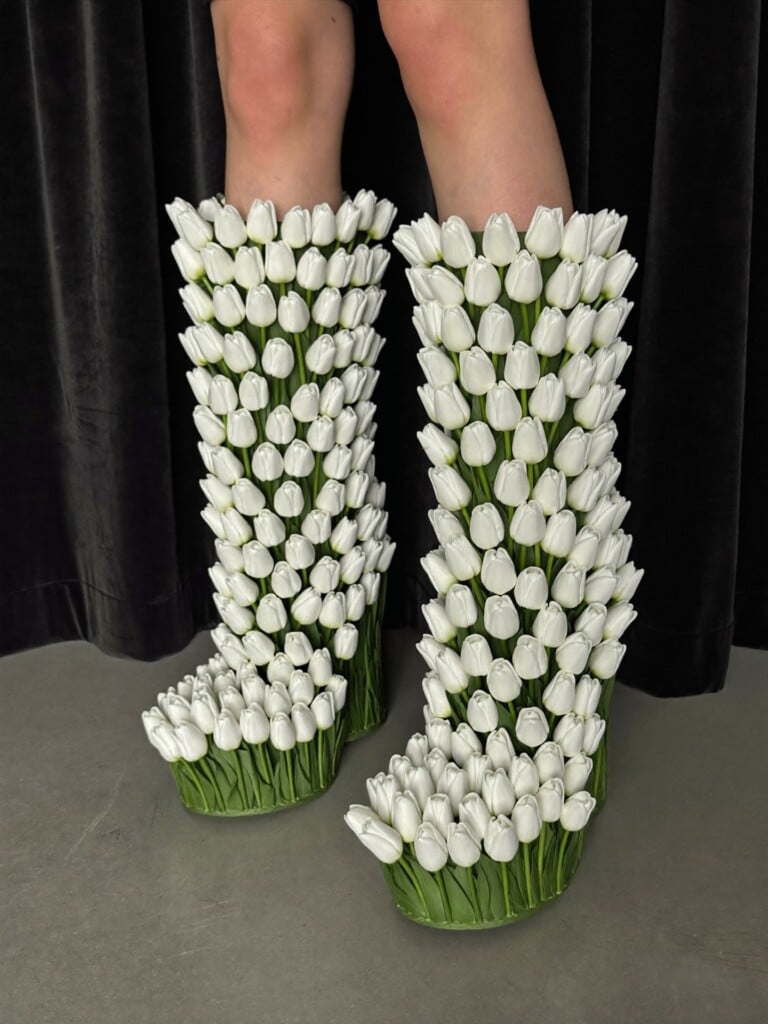
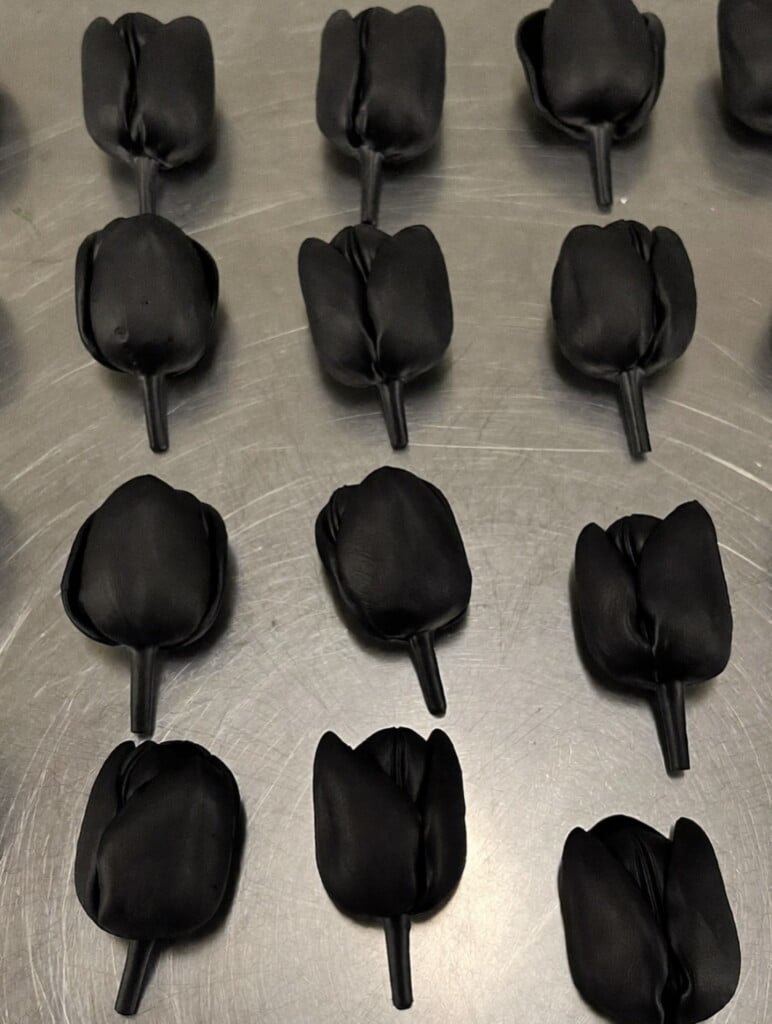
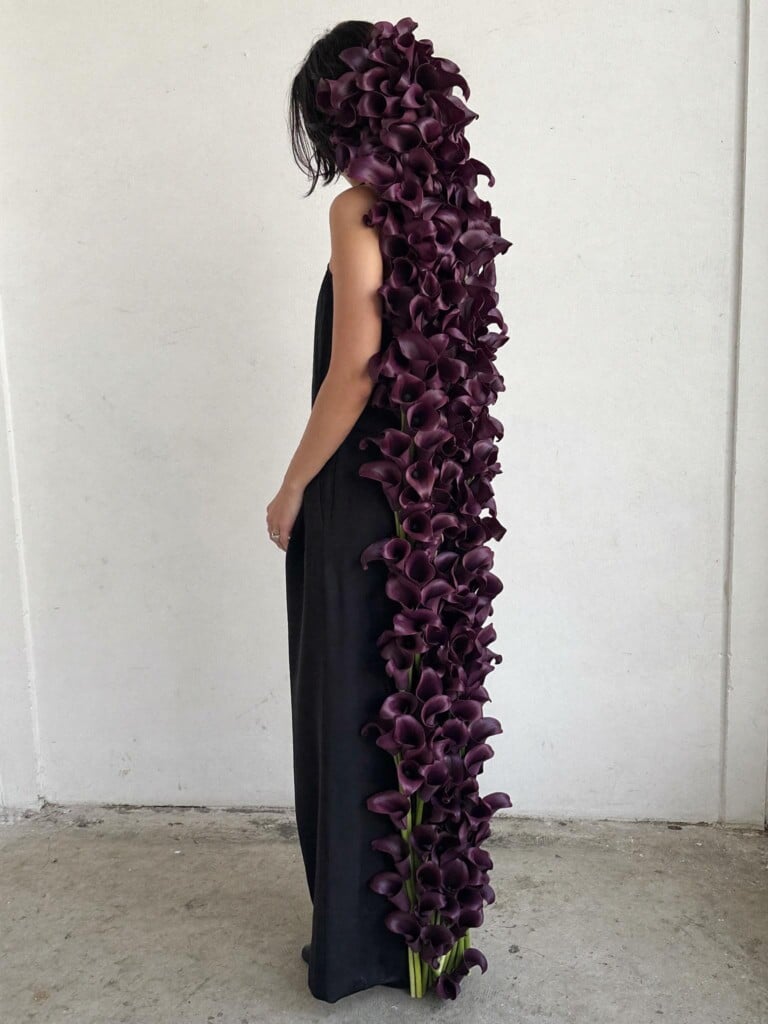
In Seoul, Zhang Yeeun transforms the language of botany into something new: sculptures, garments, accessories and installations that seem to belong more to the fashion of the future than to the world of floristry. Just scroll through her visual universe to understand that here floristry has long stopped being synonymous with bouquets and traditional arrangements. Orchids, calla lilies, lilies and other botanical varieties become raw material for building monumental forms, almost couture silhouettes, headpieces, bags and structures that seem suspended between the natural world and that of science fiction. The result is disorienting and magnetic, and it’s hard to tell where the flower ends and the design object begins.
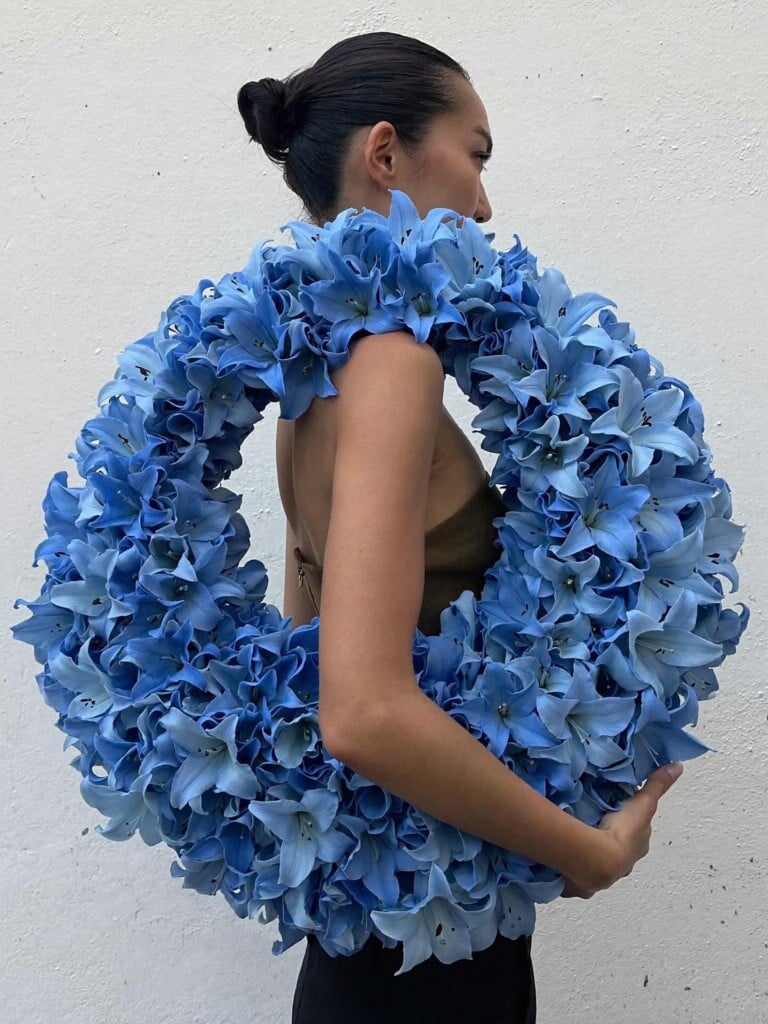
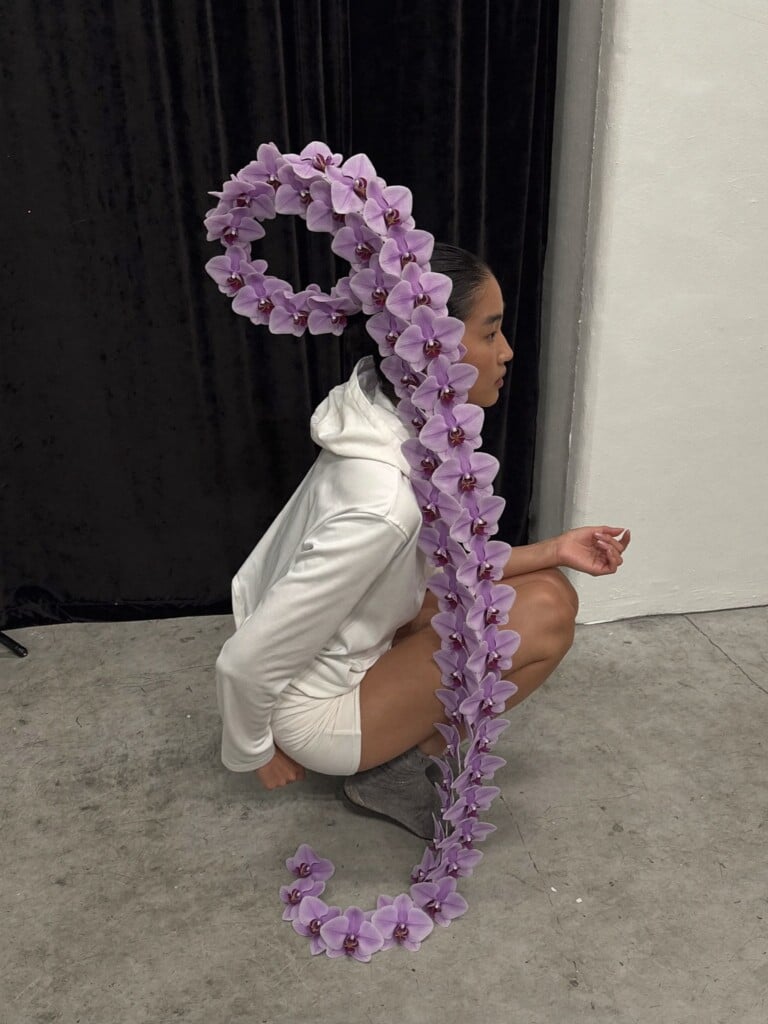
Yeeun works as a floral visual director and botanical sculptor. Her output includes floral installations for brands, large-scale personal projects and, occasionally, landscape design interventions. Her approach, however, starts from a very precise idea: not using flowers simply to decorate a shape, but building the shape through flowers.
In Yeeun’s works the flower is structure, surface, volume, and her compositions often seem designed like true architectures: first the silhouette is imagined, then the botanical matter comes in to complete it, emphasize it or make it almost unrecognizable.
The artist herself says she is drawn to structures, whether extremely simple or complex, and finds inspiration in architecture and the formative arts. What emerges is a kind of botanical couture, where the body and the flower share the same vocabulary. A skirt can become an enormous corolla; an arrangement can take the shape of a wing; a floral surface can turn into an architectural volume.
The appeal of Zhang Yeeun’s works also lies in their ambiguity. Looking at them, the first instinct is to associate them with fashion, but references to sculpture, architecture and installation immediately follow. It’s no coincidence that the Korean press has described her work as a practice inspired by avant-garde fashion, architecture and artistic installation, using them to design structures onto which flowers are then inserted.
It’s a particularly contemporary language: instead of trying to make nature more orderly, Yeeun pushes it toward excess. Proportions grow, volumes become almost theatrical, botany loses its decorative function and takes on a scenic presence.
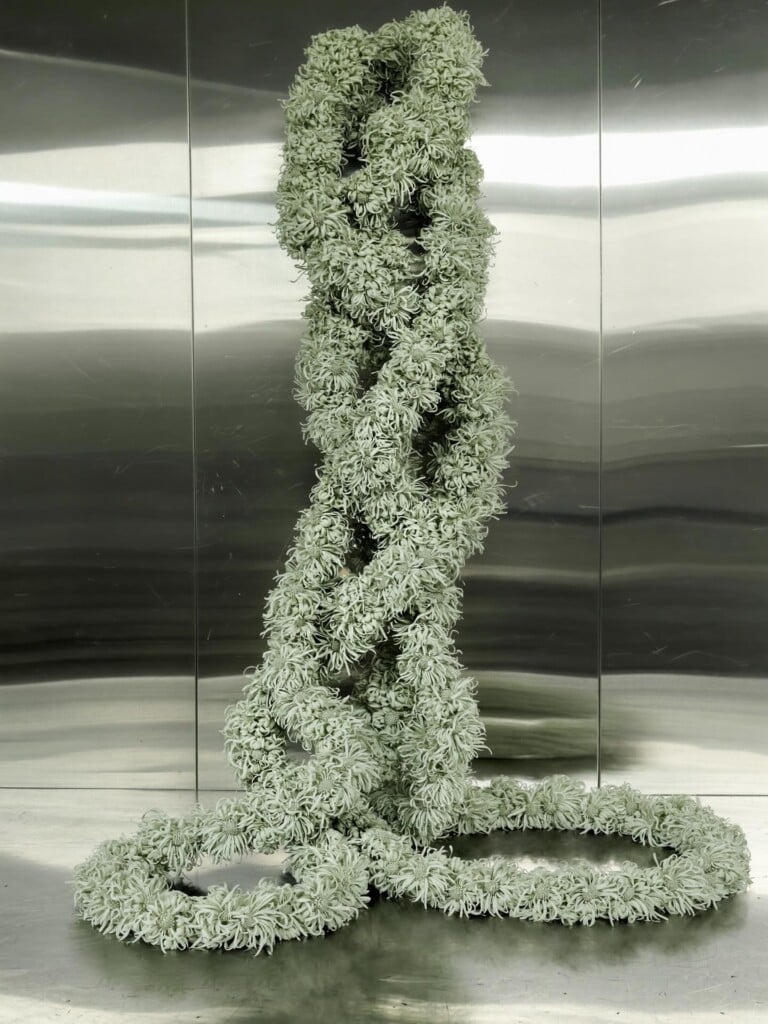
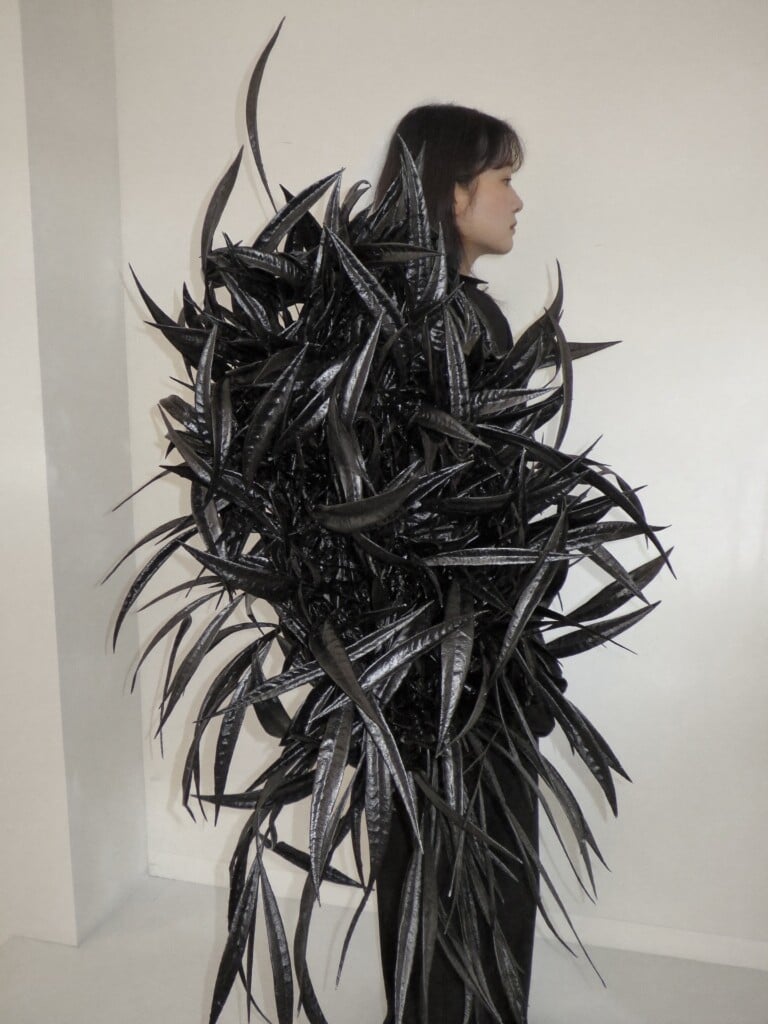
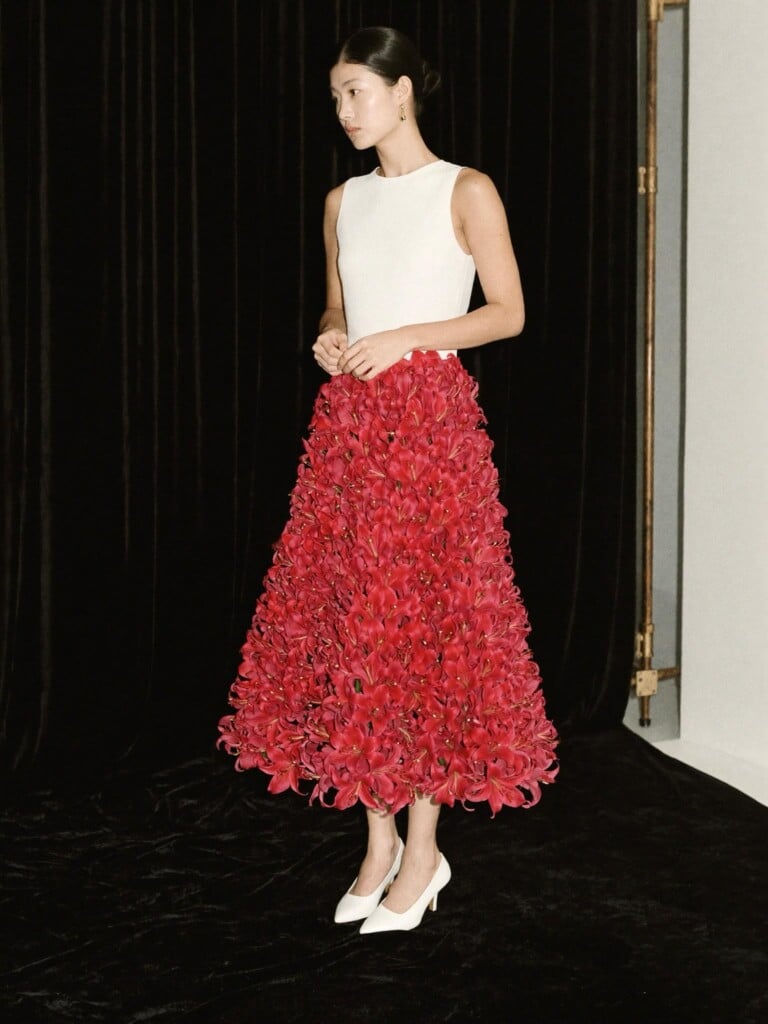
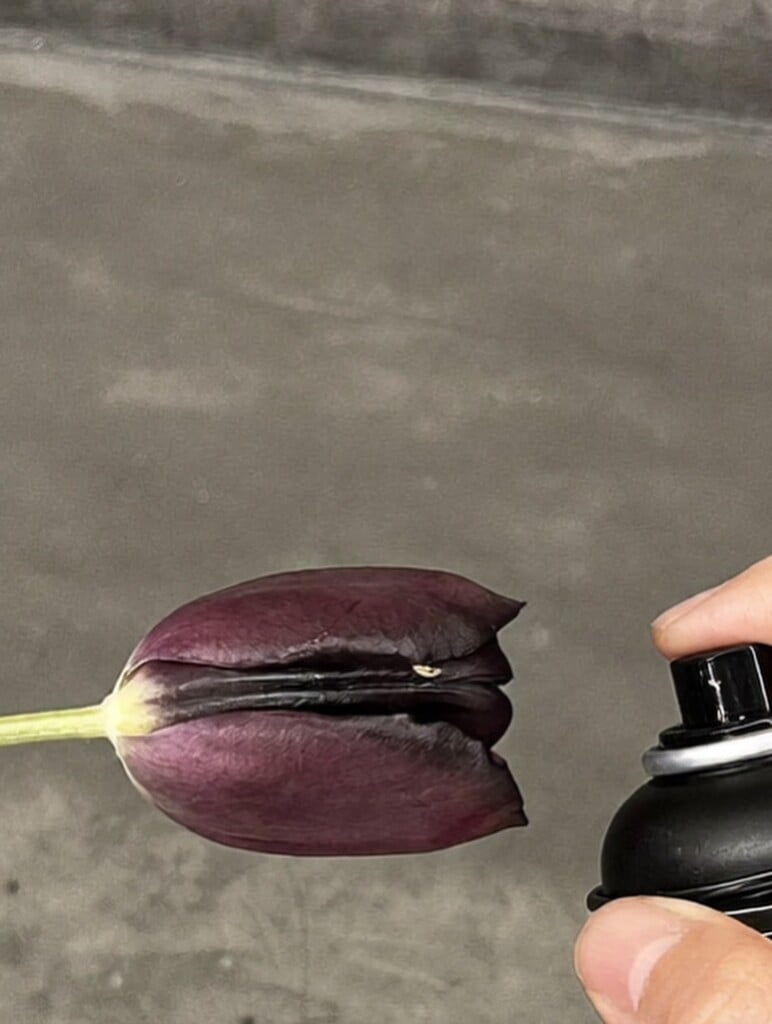
The flower, by its very nature, is not a permanent material, and even when used within a carefully designed construction, it keeps changing. Colors, textures and shapes transform and remind the viewer that what they are looking at is not a static sculpture, but something alive that will inevitably wilt. This tension between structure and transformation is perhaps one of the most interesting aspects of Yeeun’s work.
Her work, then, doesn’t necessarily seek to stop nature. On the contrary, it seems to want to stage it. At a time when design and fashion have often favored minimalism, Zhang Yeeun’s work chooses the opposite path: bigger, more sculptural, more theatrical.
Her works don’t simply ask to be looked at. They ask to occupy space. It’s an aesthetic that has also found fertile ground in the world of contemporary events and weddings, where her installations have been included among the international references for those seeking a more sculptural and less conventional floral language. Her presence in selections dedicated to the most interesting floral artists of the moment confirms how far this approach is pushing beyond the boundaries of traditional floristry. In her universe, the flower is no longer just something to put in a vase. It can become a garment, an architecture, an accessory or a foreign body invading a room.
It’s a transformation that also says something about our contemporary relationship with nature, which is no longer just nature to be contemplated, but matter to be reinterpreted through fashion, design and art. Zhang Yeeun seems to move exactly within this hybrid territory. And as the boundary between fashion, sculpture and floral design becomes ever thinner, her work suggests a possibility that is both simple and radical at the same time.