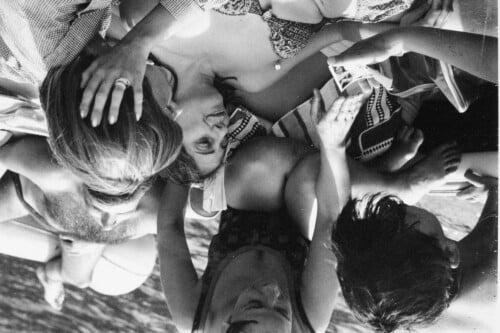
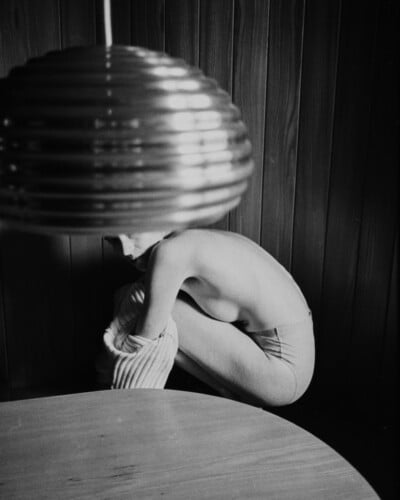
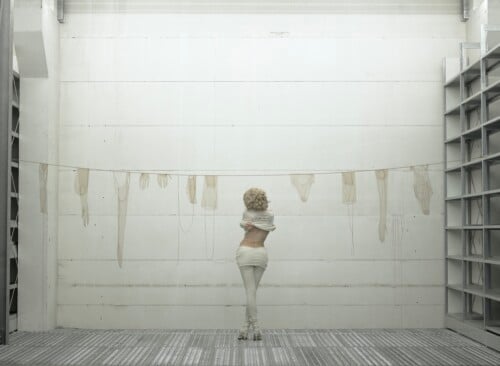
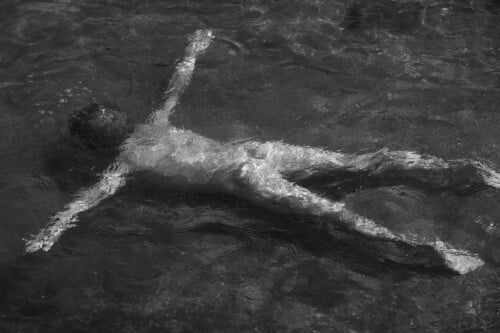
In her latest photographic project, Emma Hartvig—a photographer we’ve already talked about here and here, and whom we’ve been following for many years—explores the fine line between identity and representation in Masks and Myths. Between what we show and what we hide. At the center of the series is a mask, both symbolic and real, through which the artist reflects on the construction of femininity and the images that culture has projected—and continues to project—onto women’s bodies.

The references are many: from mythology to classical iconography, from psychoanalysis to cinema. Each photograph becomes a piece of a broader discourse that questions the nature of visibility and the roles imposed on women throughout the centuries. The protagonists—including Hartvig herself in a series of costumed self-portraits—embody archetypal figures. The bride, the mother, the virgin, the damsel in distress, the Southern belle, the Victorian lady. Images suspended between idealization and cliché, which the artist observes, deconstructs, and reassembles through a deeply personal lens.

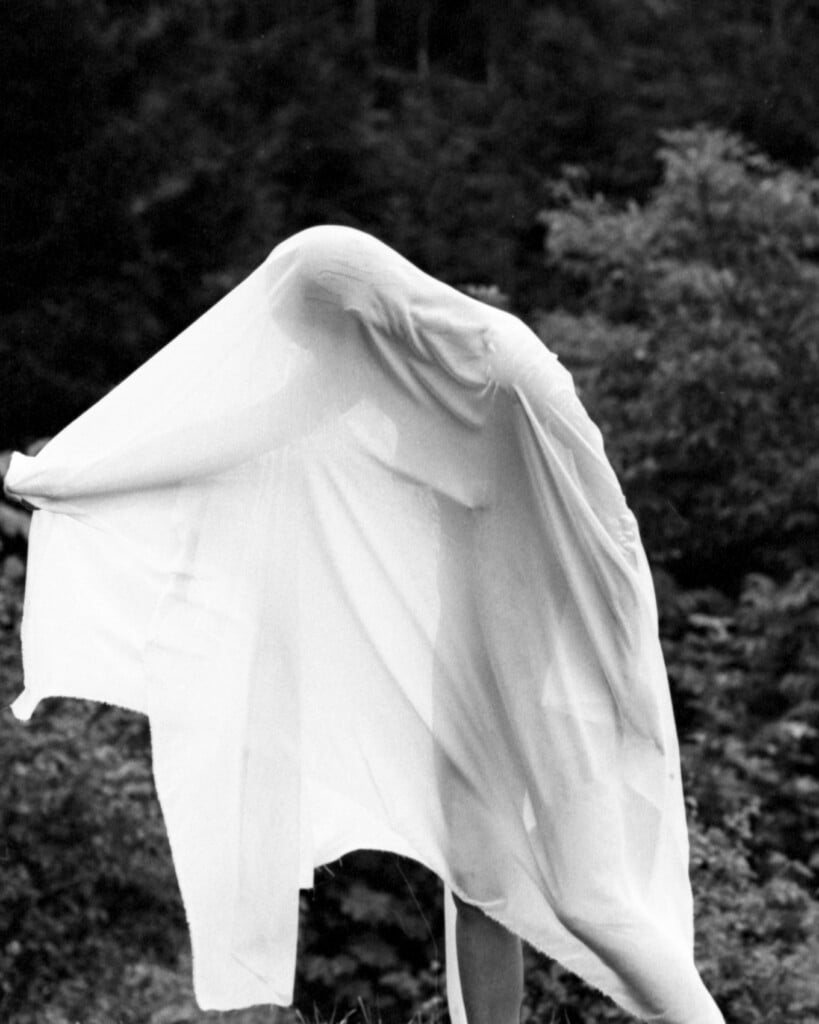
The work ideally dialogues with the essay Womanliness as a Masquerade, published by Joan Riviere in 1929, in which the author suggests that femininity can be both a symptom and a strategy for navigating a space dominated by male expectations. Emma Hartvig picks up on this tension between conformity and self-determination, giving her subjects the possibility not only to inhabit the mask, but also to bend it to a more intimate, more truthful narrative.

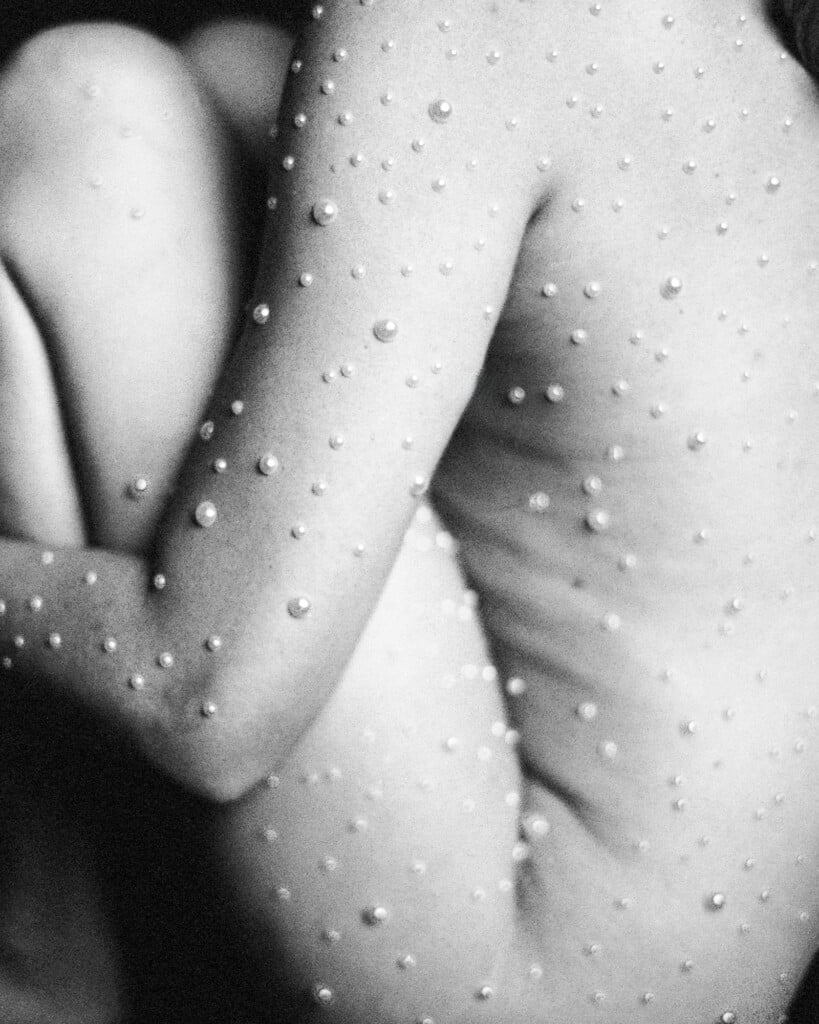
Even Carl Jung’s notion of the “persona”—understood as the social mask behind which the true self hides—finds a place in the artist’s visual narrative. Each shot is a conscious performance, but also an act of resistance. A way of saying: I exist beyond the gaze that defines me.
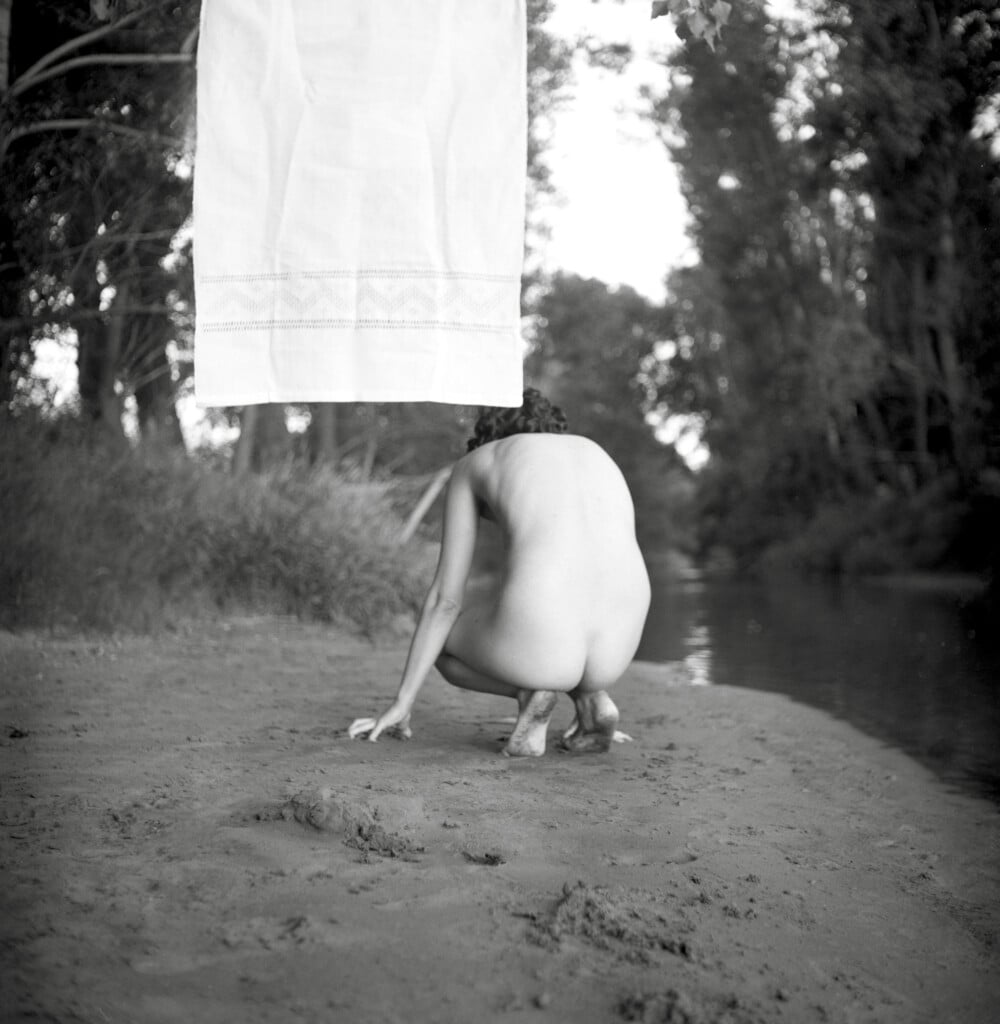

The result is a particularly layered visual inquiry, where the female body is no longer a surface onto which fantasies or fears are projected, but becomes a subject, a living presence, a language. A body that watches, transforms, and claims its own complexity.