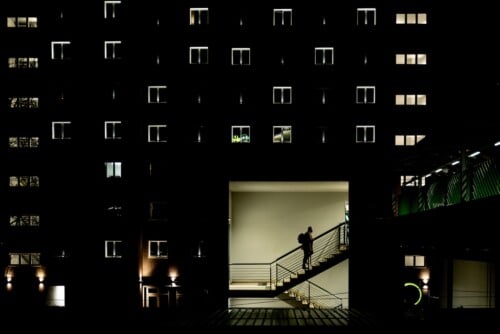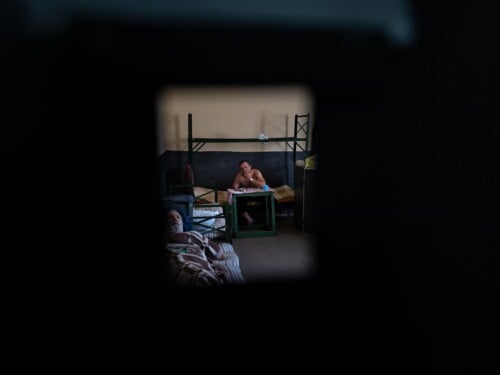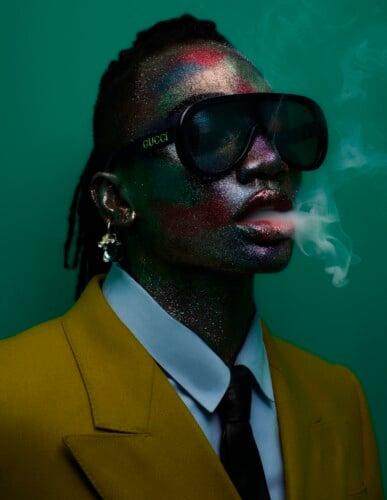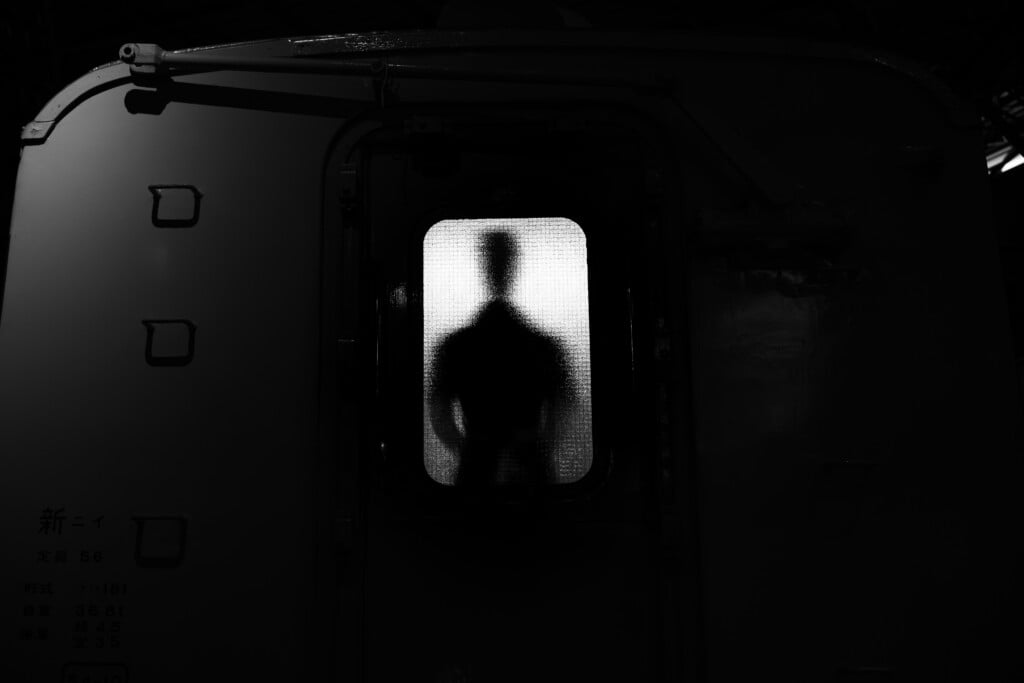
We live in an era where privacy is perceived as a fundamental right, but the reality is that we lose it the moment we step into a public space, whether physical or digital. It is from this awareness that Privacy and the Ethics of Visibility was born, the photographic project by Garrett Ho, a photographer from Singapore, which reflects on the relationship between image, emotion, and anonymity.

Taking photographs in the street inevitably means entering the illusion of privacy of strangers. Much of documentary and street photography is based on the expressiveness of faces: reading an emotion in a glance, interpreting an expression, building an immediate narrative. But what happens when we face the ethical dilemma of portraying someone without their consent? Garrett tackles this conflict by seeking new visual strategies to capture human presence without resorting to faces.


Three main elements emerge in his work. The first is the use of black and white, which allows for stronger contrasts and the concealment of details through shadows. The second is the focus on the details of bodies and gestures seen from behind, overturning the traditional advice of shooting from the front. Finally, the deliberate omission of faces: a direct and essential way to maintain anonymity, without giving up the evocative power of the image.

More than a definitive answer to the theme of privacy, the project is an exercise in awareness. Garrett himself does not define himself as an artist: for him, photography is above all a way to learn to appreciate the beauty around him, also embracing the role of chance and the unexpected. But it is precisely this tension between intention and accident, between ethics and visual instinct, that makes Privacy and the Ethics of Visibility an urgent and relevant work.