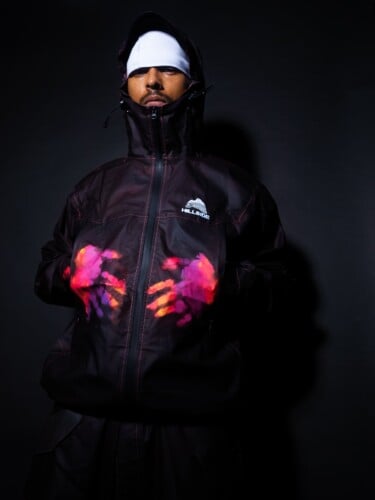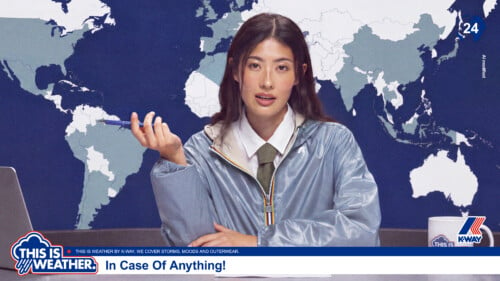
We recently talked about the return of Gorillaz with the short film The Mountain, The Moon Cave and The Sad God, which anticipated the new album The Mountain. In this sense, the most natural step felt like exploring them as style icons, while expanding the very concept of a style icon into something more pervasive and layered. Rather than influencing fashion in a traditional sense, the project built around Jamie Hewlett has redefined how style manifests itself: not just clothing, but visual identity, storytelling, and imagination. Even collaborations, such as the one with Converse, become extensions of a coherent universe, anticipating a fashion system increasingly tied to world-building and the blending of the real and the digital.
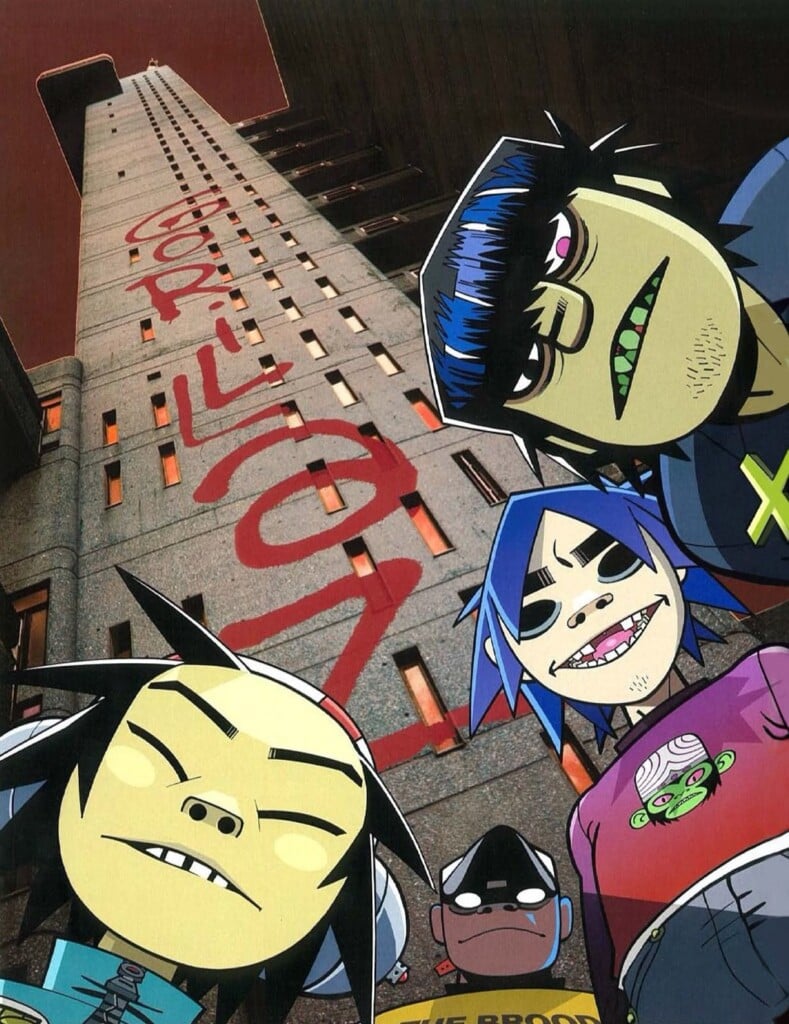
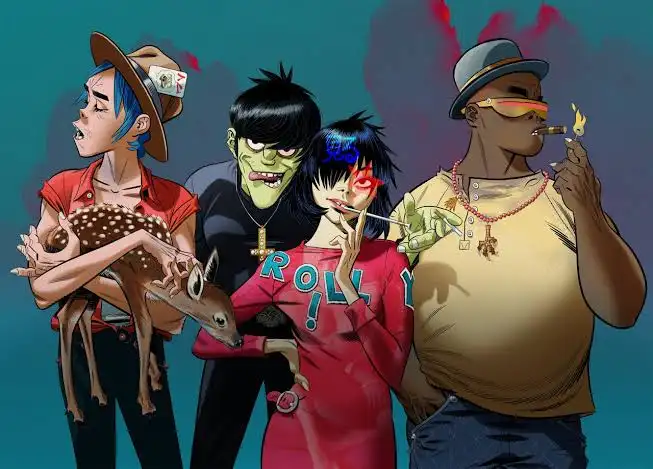
Created by musician Damon Albarn and artist Jamie Hewlett, Gorillaz were conceived as a virtual band, and it is precisely this hybrid nature that made them pioneers of a new aesthetic. 2D, Murdoc, Noodle, and Russel are not just characters: they are contemporary archetypes, shaped through references that blend street culture, comics, punk, hip-hop, and Japanese animation. Their “wardrobe” is just one of the many surfaces through which style takes form.
The impact of Gorillaz on the fashion world has been as subtle as it has been radical, as it never translated into a simple presence on the runway, but rather into a shift in paradigm. As early as the 2000s, with the G Foot project — a line that blended graphics and streetwear — the band anticipated the fusion between music and clothing that has now become standard.
Visualizza questo post su Instagram
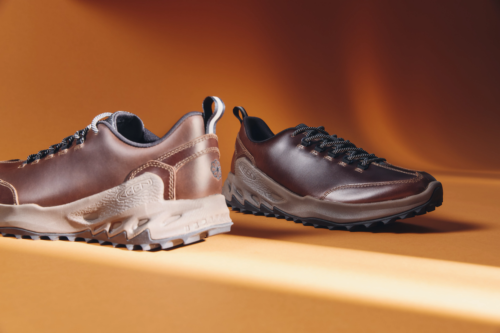
But it is above all through the aesthetic built by Jamie Hewlett that Gorillaz have influenced fashion: a visual imaginary that helped redefine the language of streetwear, making elements such as character design, storytelling, and digital identity central. Collaborations, like the one with Converse, were not simple commercial operations, but coherent extensions of their universe, showing how a music project could become a fully-fledged cultural brand. As seen in partnerships with G-Shock or with Fred Perry in 2021.
In this sense, Gorillaz paved the way for an increasingly hybrid fashion landscape, where the boundaries between artist, avatar, and brand dissolve, anticipating dynamics that we now see amplified through capsule collections, virtual fashion, and fluid identities.
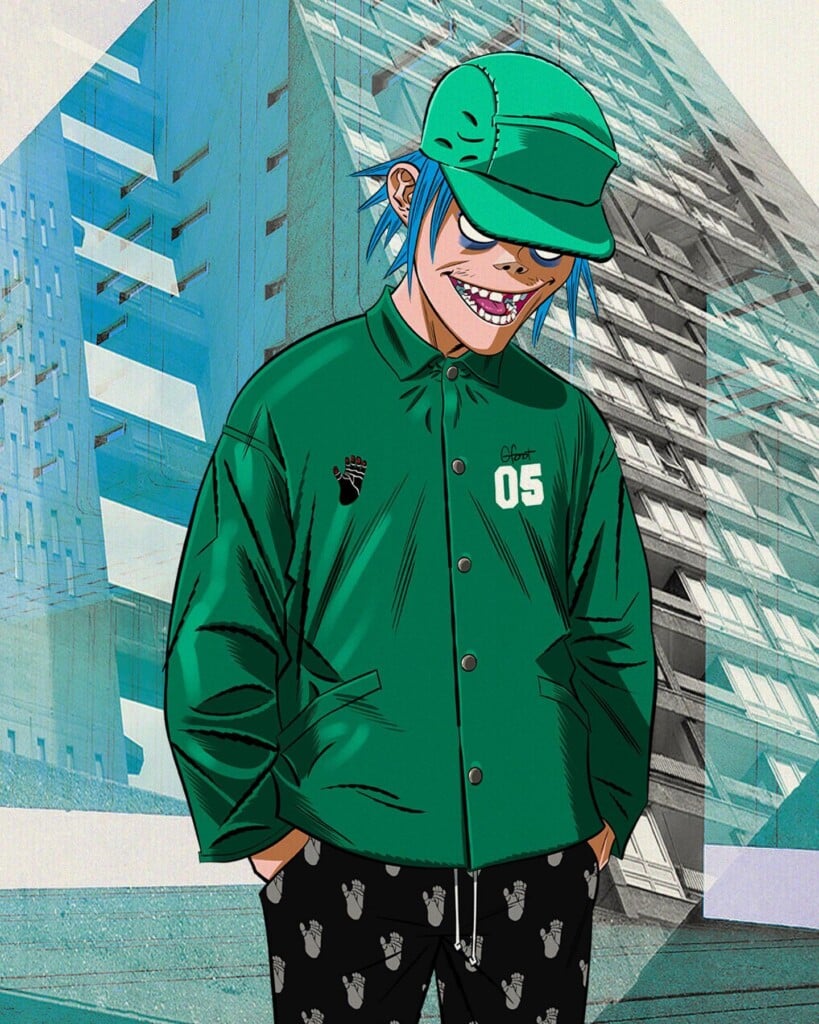
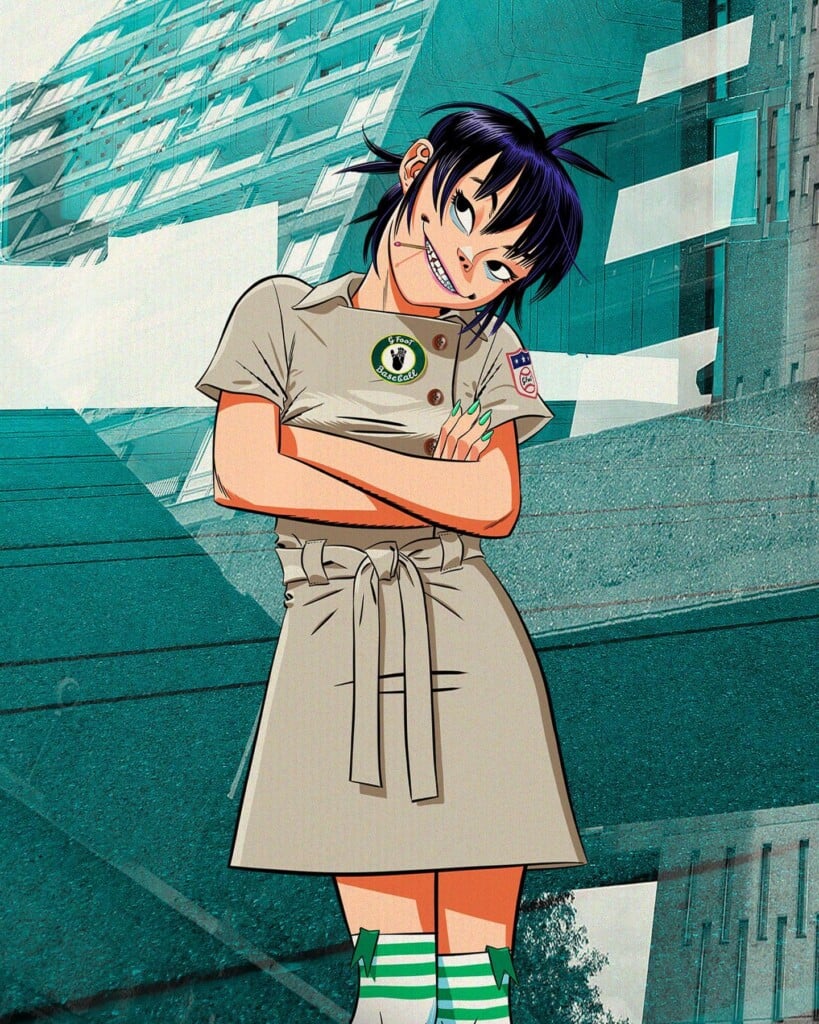
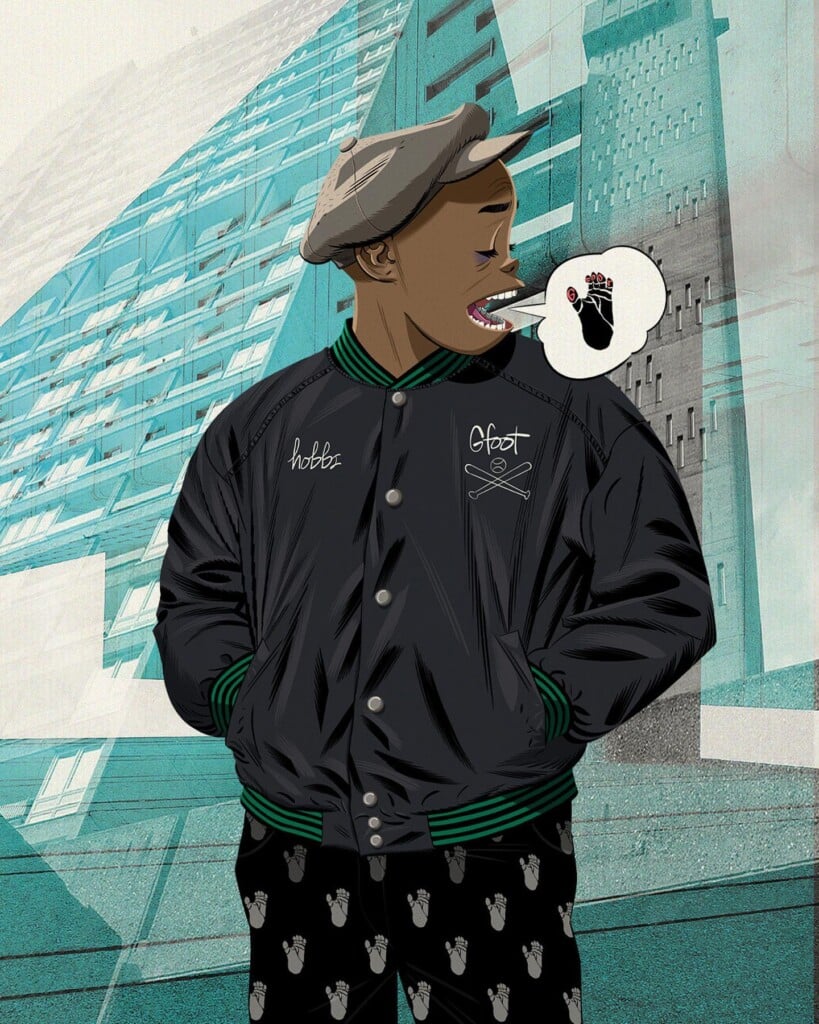
Gorillaz’s clothing has always been an immediate point of entry: 2D’s graphic t-shirts, Murdoc’s decayed punk aesthetic, Noodle’s evolution from child prodigy to cyber-feminine icon, and Russel as the embodiment of ’90s hip-hop culture. But reducing them to this would be limiting. Their real impact lies in their ability to turn every visual element into aesthetics: music videos, album covers, websites, fictional interviews, even their own “biography.”
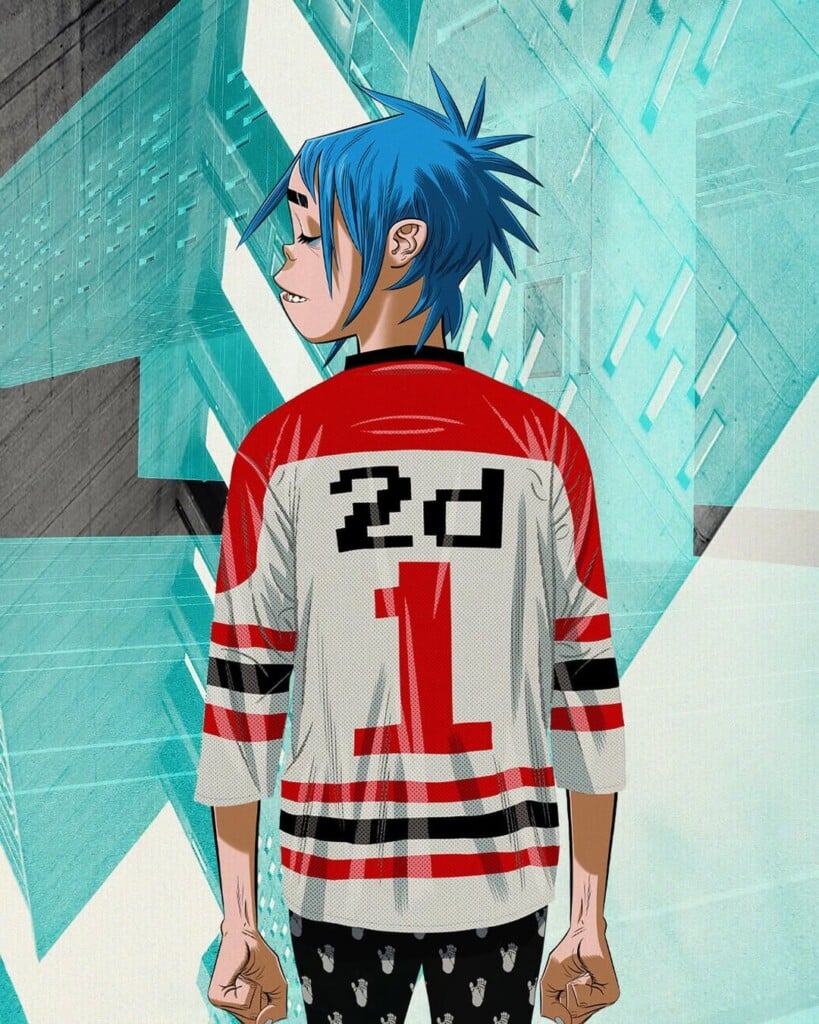
With albums like Demon Days and Plastic Beach, Gorillaz build worlds. It’s not just about music, but about narrative ecosystems where visual design becomes an integral part of the experience. At a time when the concept of world-building was still far from today’s saturation, they were already using it systematically, anticipating dynamics that are now central to digital culture.
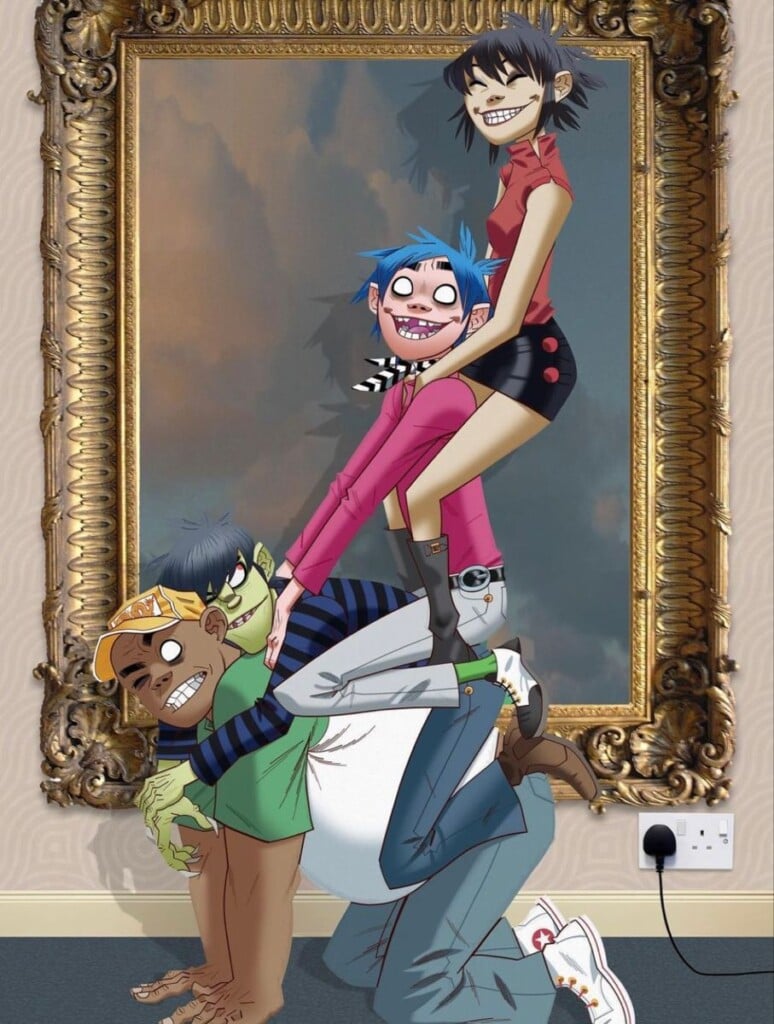
This is where the concept of the style icon expands: no longer an individual to imitate, but a universe to inhabit. Gorillaz don’t set trends in the traditional sense, but influence how trends are constructed. Their aesthetic helped normalize the hybridization between real and digital, between human and avatar, long before social platforms and the metaverse made this dynamic mainstream.
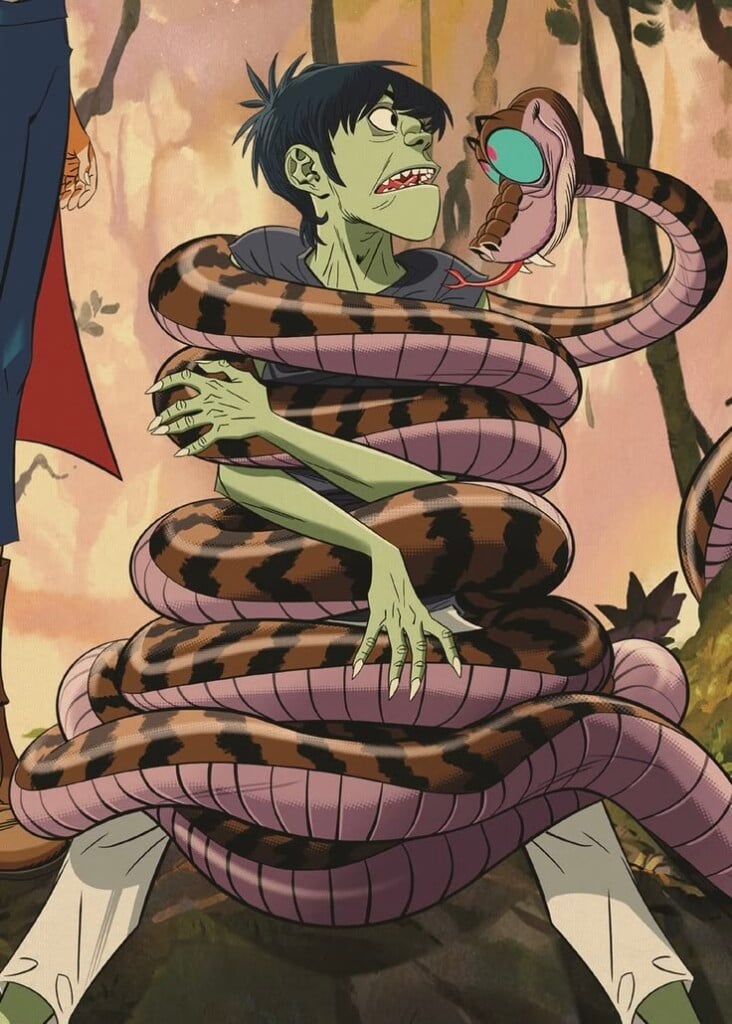
In this sense, being a style icon today also means this: not possessing a style, but being a system that generates style. Gorillaz have never been just a band or a visual project, but a framework that has redefined how we perceive identity, aesthetics, and storytelling within pop culture.