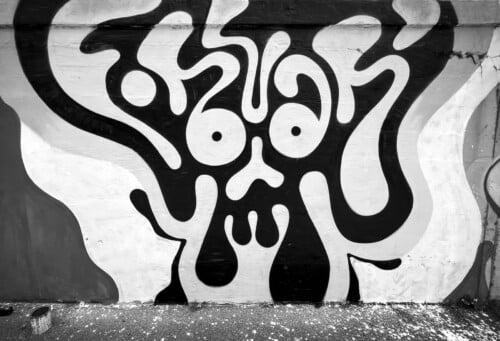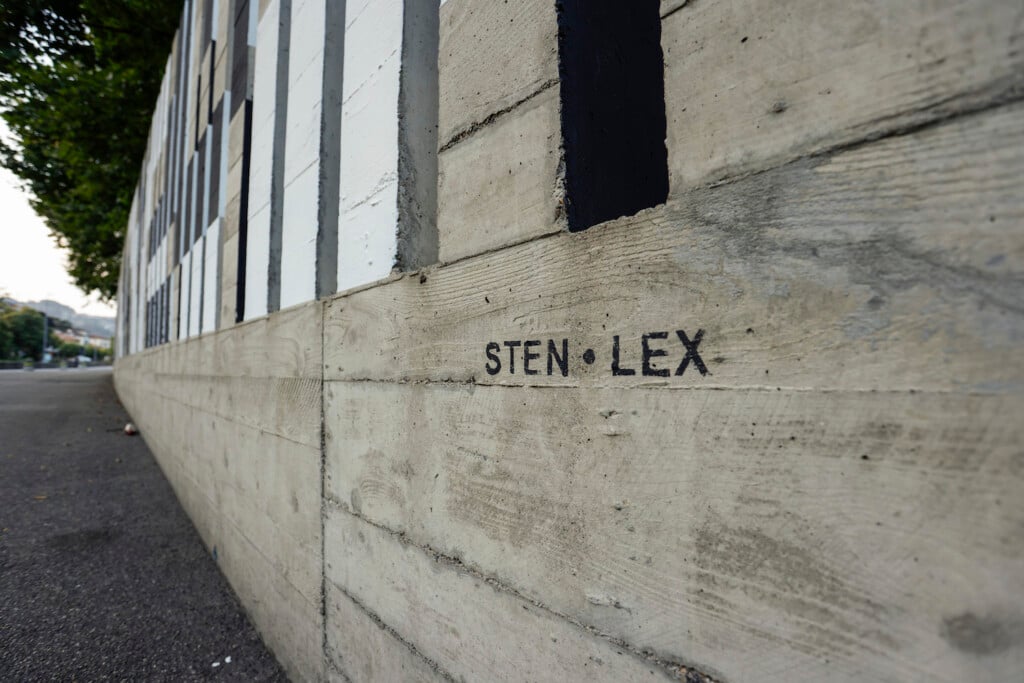
Last weekend saw the conclusion of the Lugano Longlake Festival, which for more than two weeks involved the Swiss city in artistic events spread throughout the urban fabric. Urban art also undoubtedly took its place thanks to the presence of the Italian duo Sten Lex, famous street artists – Sten (Rome, 1982) and Lex (Taranto, 1982) – pioneers of the use of stencils in Italy, with whom they have been working since 2001. The two artists have pursued a series of initiatives that the city of Lugano started fourteen years ago with the Arte Urbana Lugano (AUL) programme. Let us find out more about the new wall work by Sten Lex, which we have already talked about here.
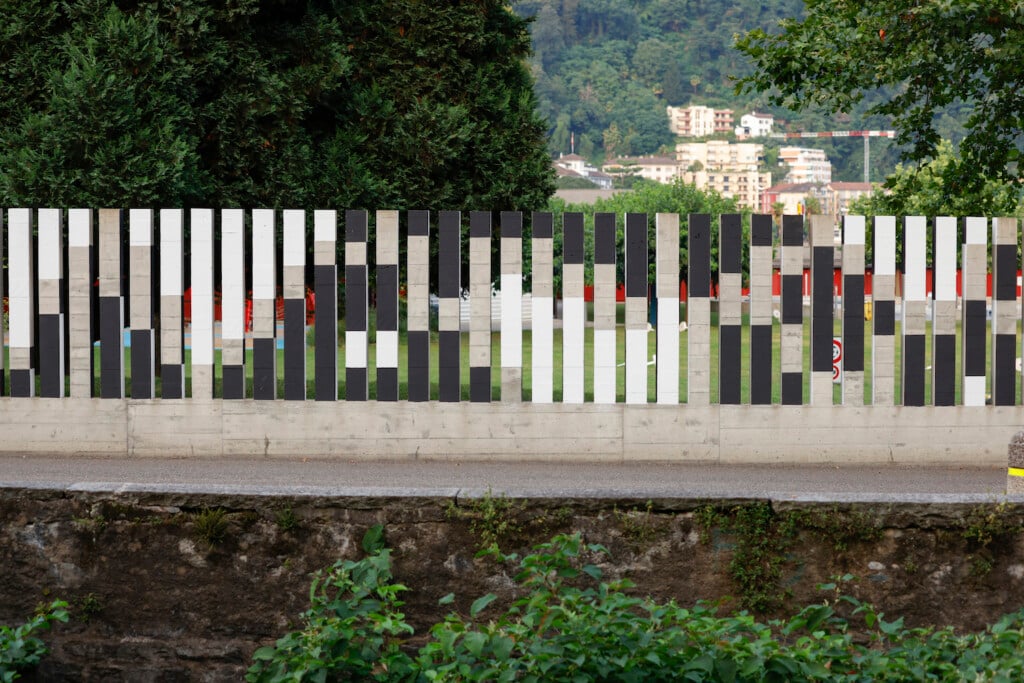
Lugano’s work speaks of borders
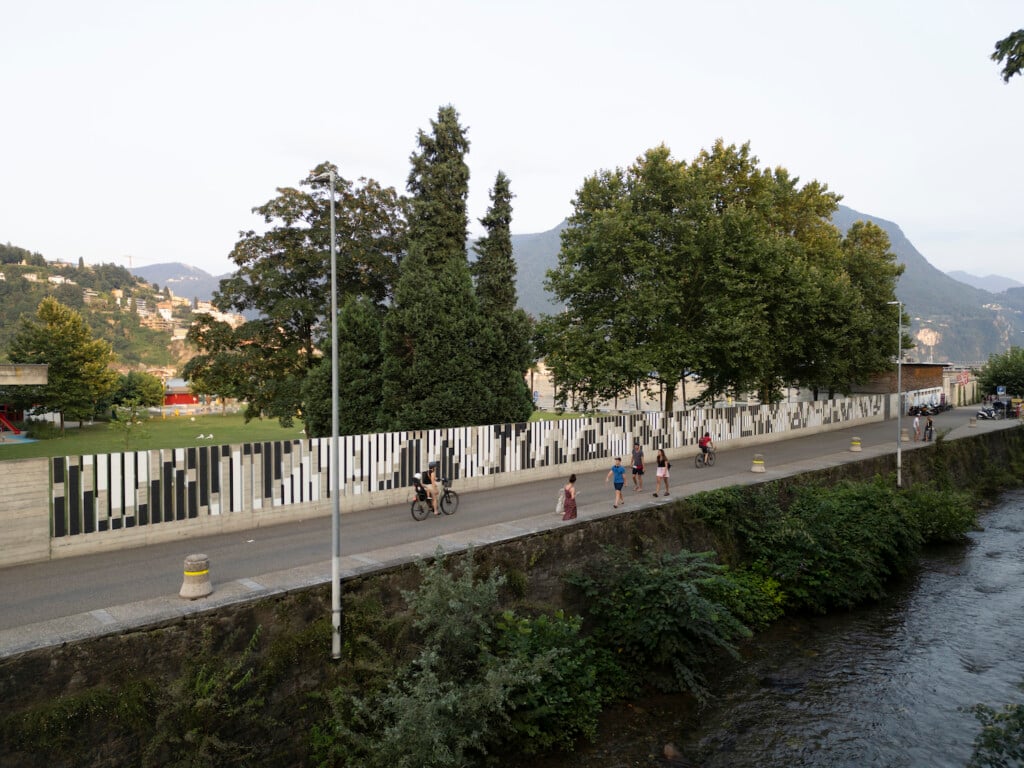
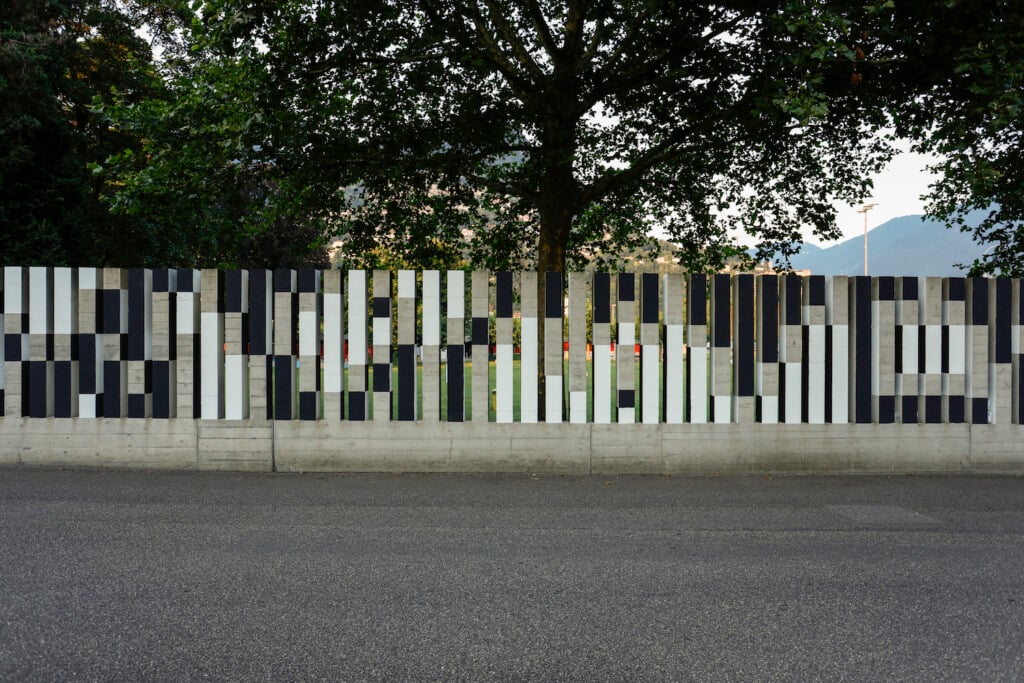
Sten Lex’s work area is a comb-shaped wall separating the Lido di Lugano from the Via Foce, about 70 metres long. The title of the work is Confini XII and consists of what can be called a geographical abstraction. In a nutshell, the two artists reshape the current geographical borders to create new ones, thus reflecting on a very topical theme today, that of borders between states. At the same time, the cartography proposed by Sten Lex looks at the rhythm of a musical score, emphasising the rhythmic cadence of the pillars themselves. The work was created using the ‘Stencil Poster’ technique, a method developed by the artists that involves creating a matrix directly on the wall. Subsequently, the matrix is partially destroyed, giving shape to the final work.

More on Sten Lex
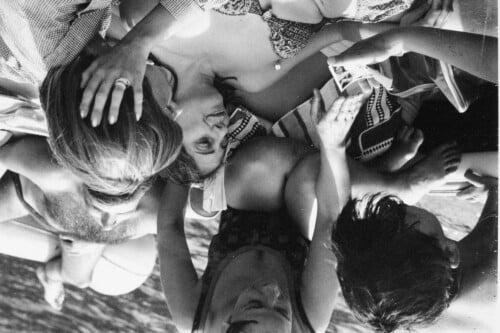
In their creative process, Sten and Lex apply stencils and strips of paper to the surfaces of buildings, which they then partially remove, revealing images that emerge along with parts of the building’s masonry. Favouring shades of grey and black and white, their style is influenced by Op Art and photography. Their final works are reminiscent of old photographs, not perfectly clean, giving the impression of old images marked by time. In some cases, the final result of their works is not only decided by the artists but also by the weather or the people who interact with them by tearing strips of paper