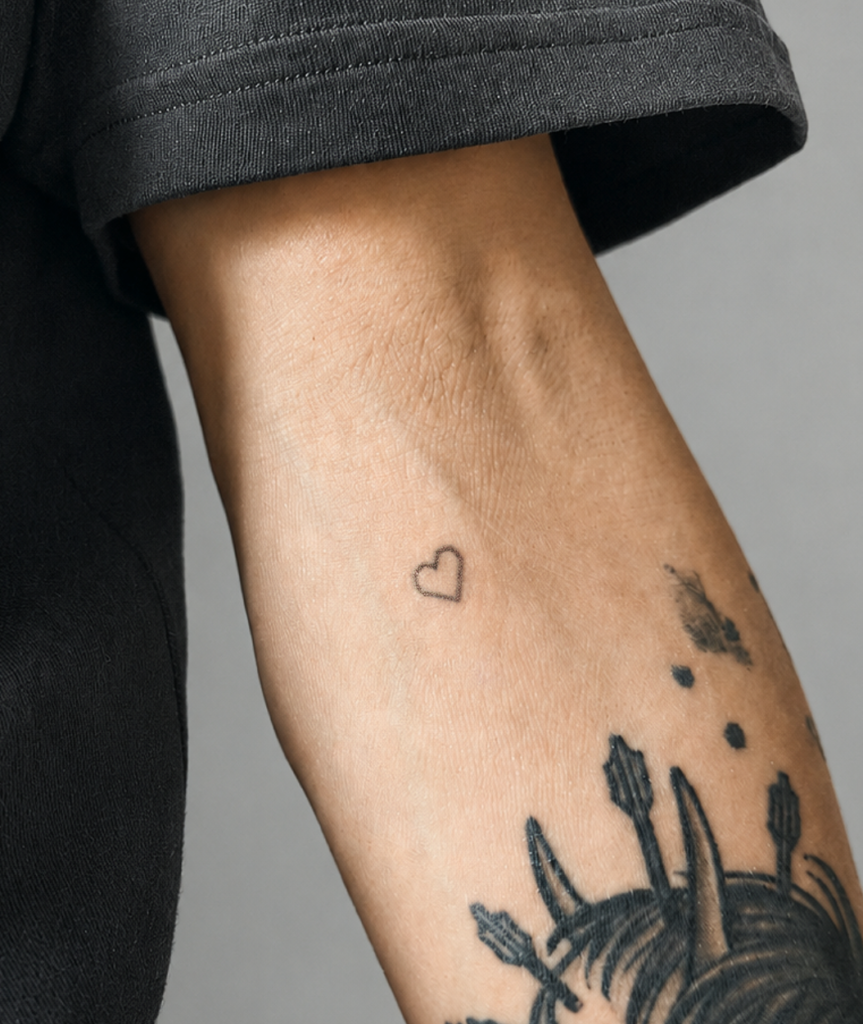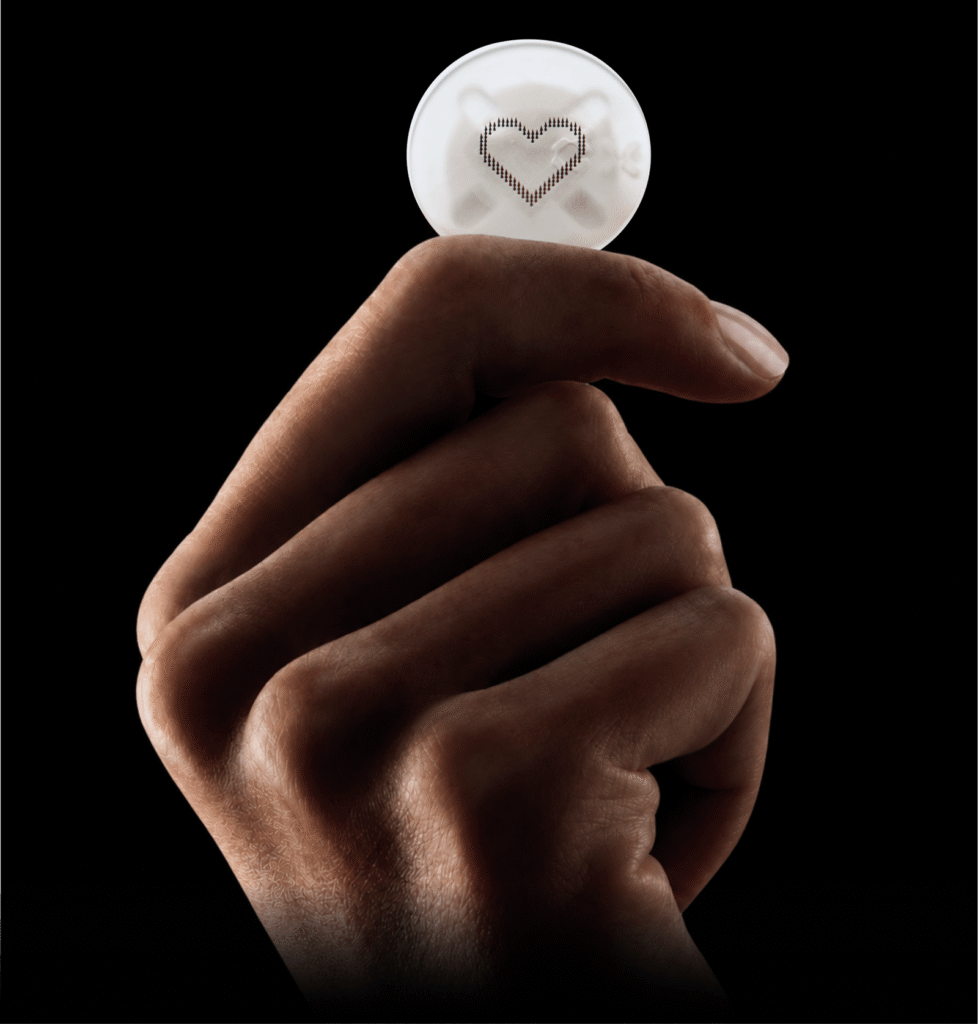
Imagine getting a tattoo without feeling any pain. Well, you can stop imagining, because that’s exactly what CipherX has managed to do, a biotech start-up that has developed a technology capable of turning tattooing into a process made of pixels, precision and a patch worn on the skin for a quarter of an hour.
The product is called MicroDot, a tattoo patch that works like a genuine printer for the skin. In place of the needle, thousands of ultra-thin micro-points (the Microdots, precisely) release pigment into the skin’s upper layers. No pain, no machine, no blood and no scabbing. It’s applied with a dedicated device, the CX Tattoo Applicator, designed to ensure the right pressure and motion during placement. Then you wait fifteen minutes, and the design stays permanently imprinted on the skin.
In an instant, the story of tattooing takes an unexpected turn, bringing an almost digital logic to a discipline that has always been manual and linked to arts like drawing and painting. With CipherX’s Microdots, the tattoo stops depending on the artist’s free hand and instead goes through a process closer to printing.
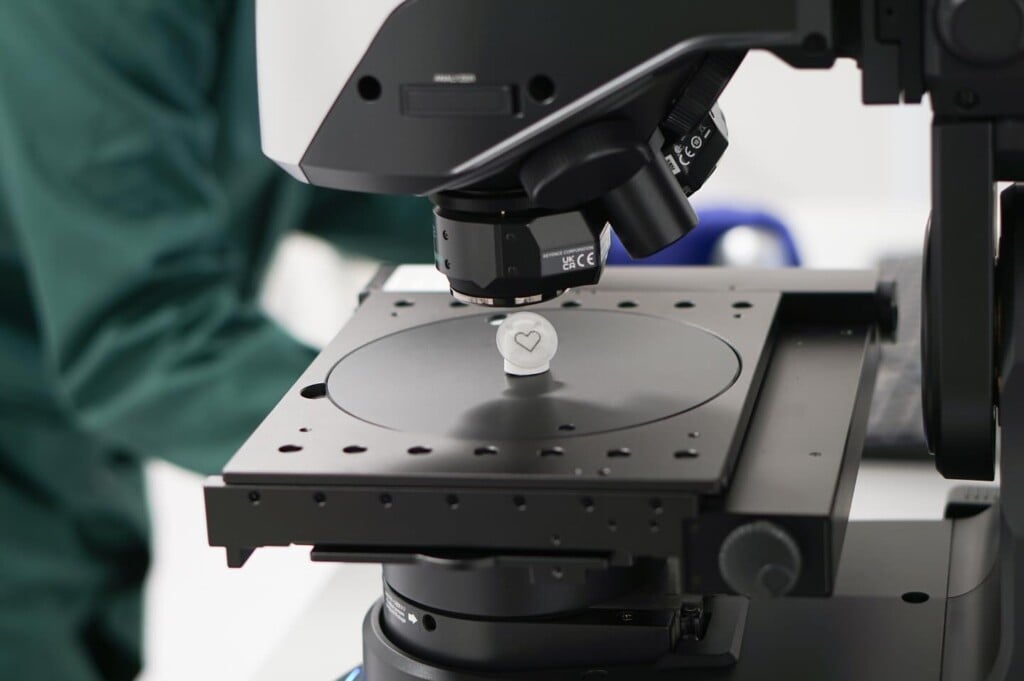

Behind the project are Ferdinand Kohle, a materials scientist with a background spanning Cornell and the Royal College of Art, and a needle phobia that, fittingly, is at the origin of the whole technology, and Karl-Anton Harms, a plastic surgeon and researcher trained at Imperial College London on microneedle systems for tissue regeneration. A meeting between materials science and surgery that translates, on a design level, into a minimal object, almost invisible in how it works, in line with the bold simplicity philosophy the company lists among its founding values.
One doubt remains, though: what’s left of a tattoo once the artist’s hand is no longer needed?