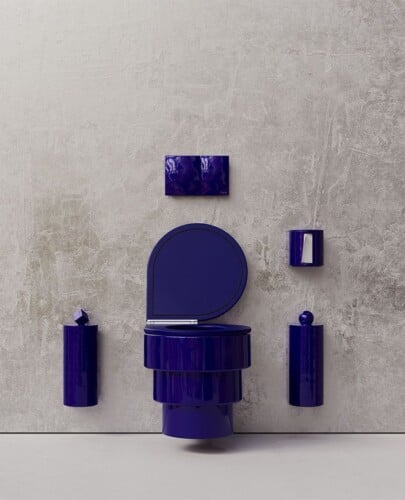
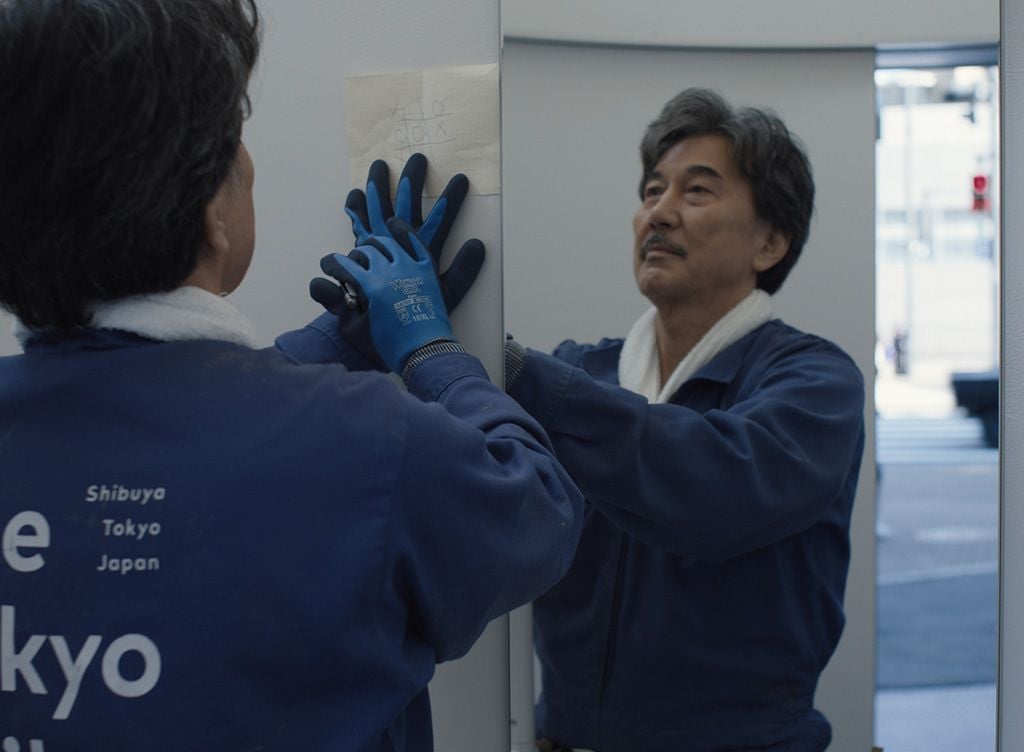
«The architect does everything so that the body forgets its misery,» wrote Milan Kundera, and that’s what I thought while looking at the public toilets of Tokyo shown in Perfect Days, the latest film by Wim Wenders that everyone is talking about. Needless to say, my expectations were met, but I’m not here to talk about the film or spoil anything. What I want to talk about today is the public toilets of Tokyo, which Hirayama cleans every day with extreme dedication. My seatmate commented, «They look like small Expo pavilions,» an observation that made me reflect. The extraordinary architectures of these bathrooms can only surprise us Westerners, accustomed to chemical toilets in poor conditions. From Tadao Ando to Kengo Kuma, the names of the architects behind these projects confirm their genius. In short, these “small sanctuaries of peace and dignity” – as the director called them – are the true protagonists of this film. That’s why I started looking around for some more information and curiosity, starting with @TheTokyoToilet_Official, an Instagram profile entirely dedicated to the bathrooms of the Japanese capital.
Why does Tokyo have such beautiful bathrooms?
This is the first question I asked myself, completely ignoring the story behind these bathrooms. Reading, I discovered that it all starts with the poor reputation of Tokyo’s public toilets. They haven’t always been this way; in fact, “dirty, smelly, dark, and scary” are frequently used adjectives to describe them. In 2020, on the occasion of the Tokyo Olympics, the city decided that this reputation needed to change. The non-profit organization The Nippon Foundation commissioned sixteen prominent architects and designers to design seventeen public toilets. So, within three years, Tokyo received this splendid gift, so sensational that it is worthy of being the protagonist of a Wenders film. Of these seventeen, we have selected eight, our favorites and the most prominent in Perfect Days. If you want to learn more, we attach the profiles published on The Nippon Foundation’s website, which include the features of each bathroom and a description of its creator.
#1 Shigeru Ban, Yoyogi Fukamachi Mini Park (1-54-1 Tomigaya)
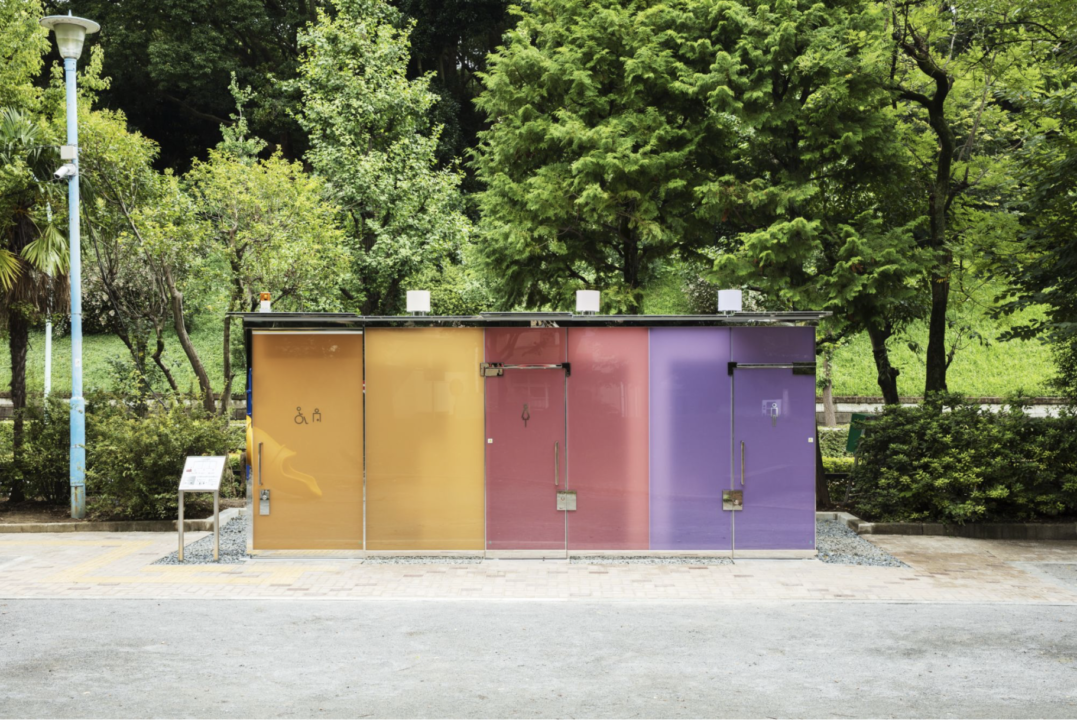
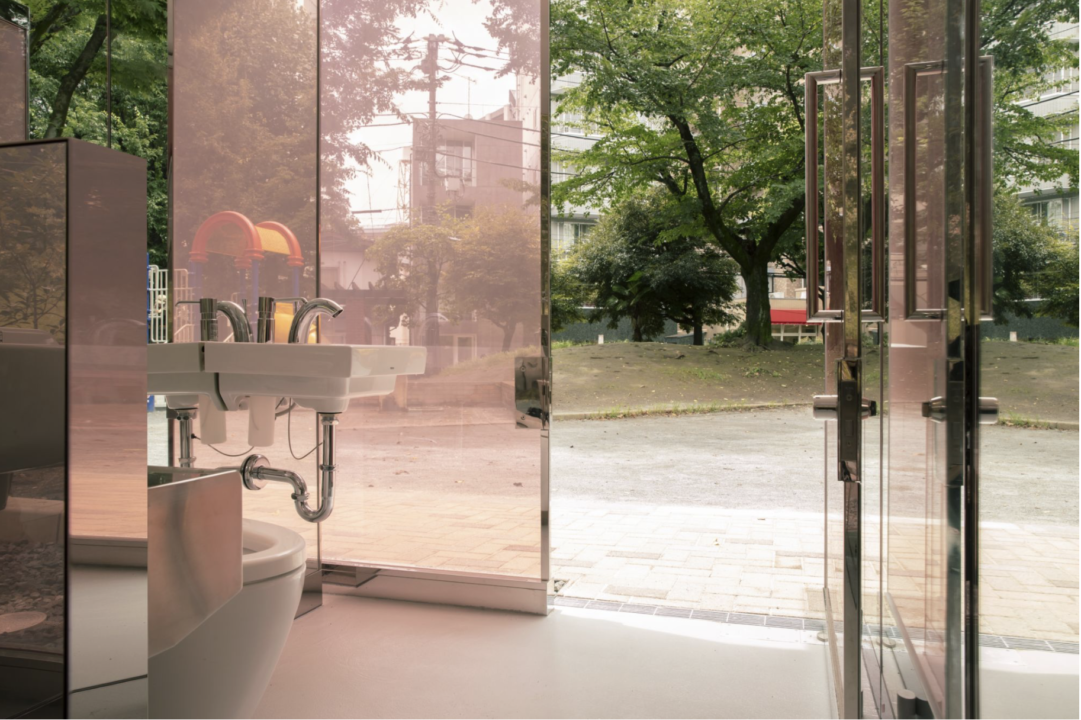
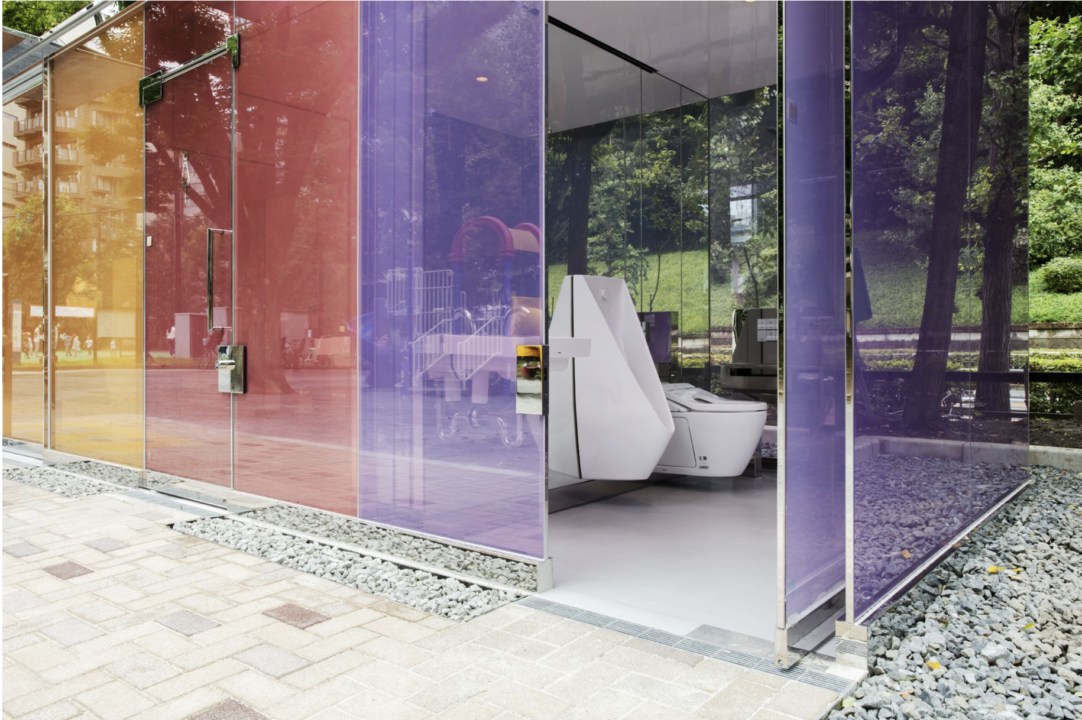
#2 Tadao Ando, Jingu-Dori Park (6-22-8 Jingumae)
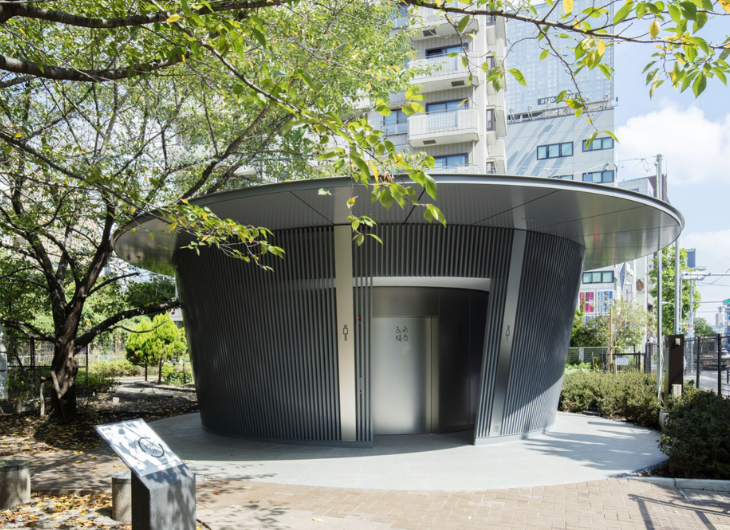
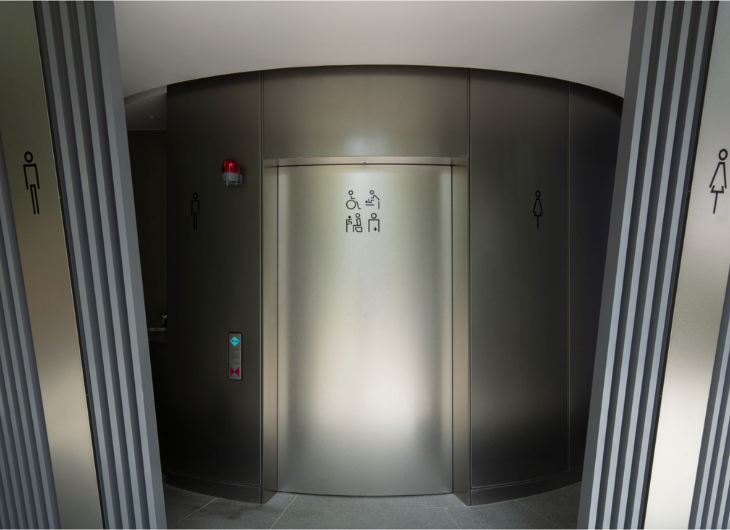
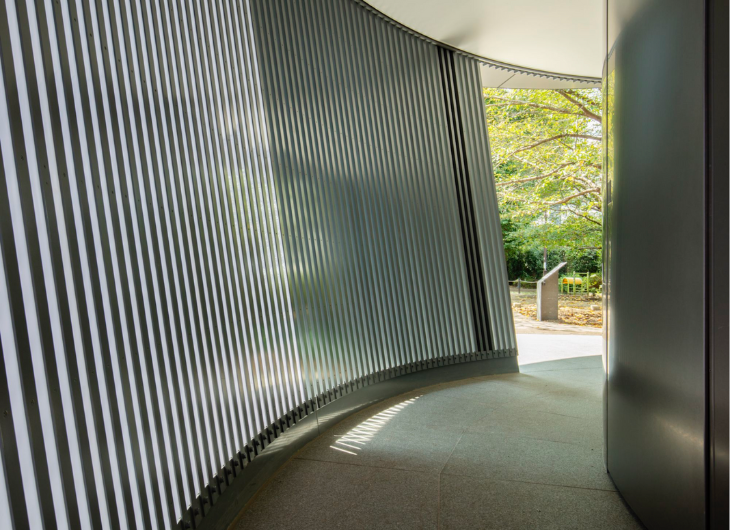
#3 NIGO®, Jingumae, 1-3-14 Jingumae
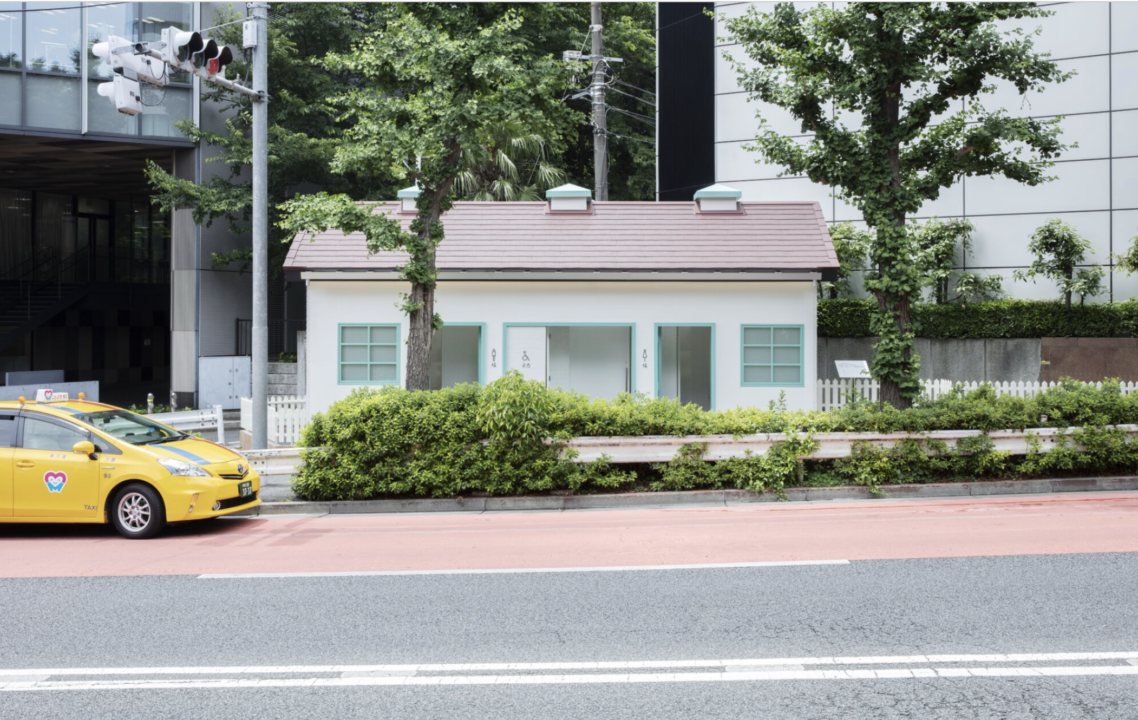
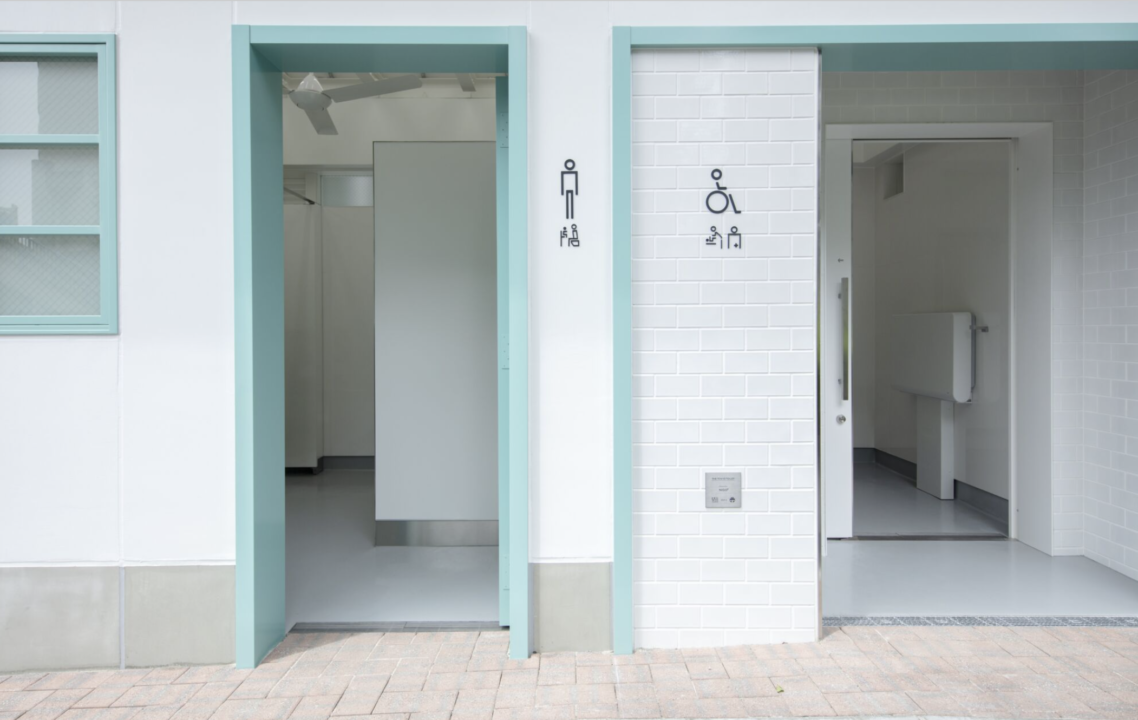
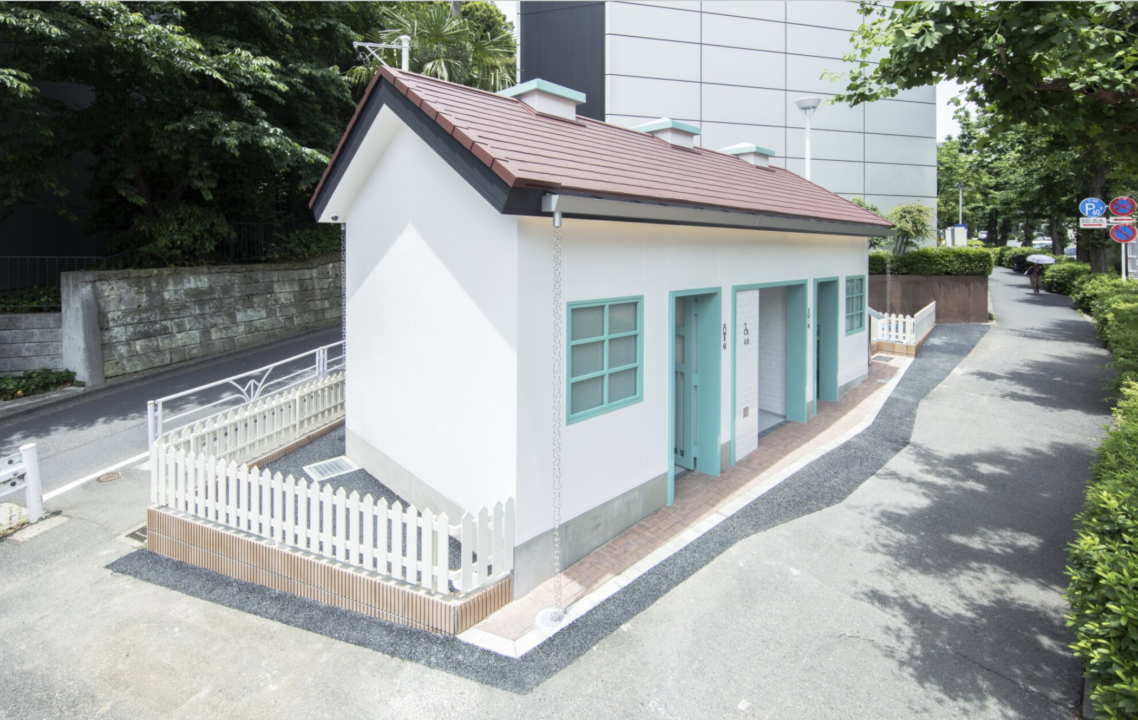
#4 Masamichi Katayama / Wonderwall®︎, Ebisu Park (1-19-1 Ebisu-Nishi)
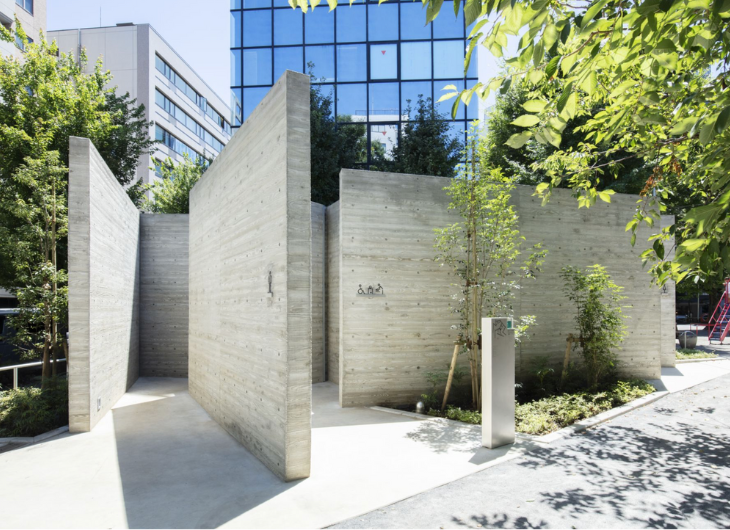
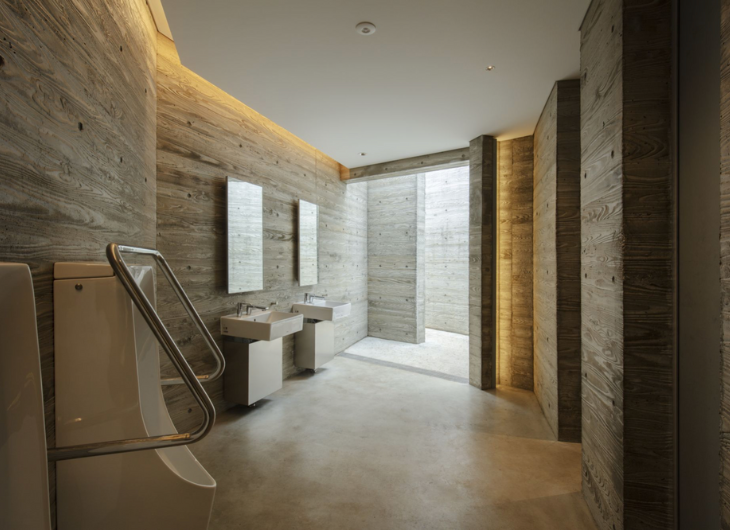
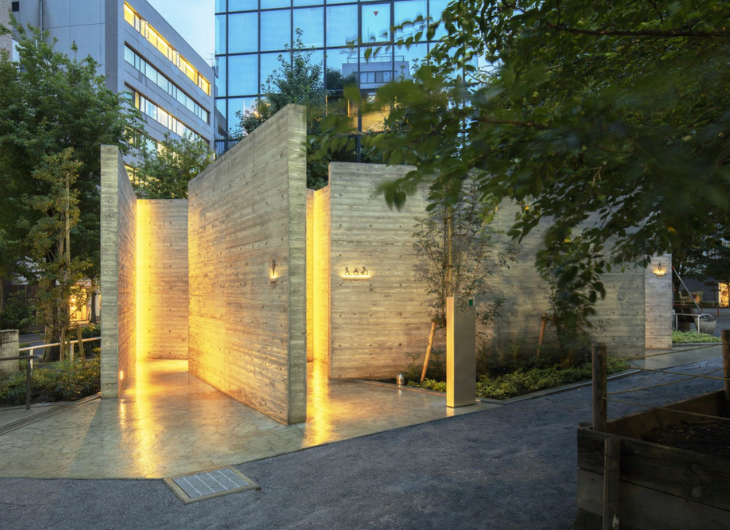
#5 Nao Tamura, Higashi Sanchome (3-27-1 Higashi)
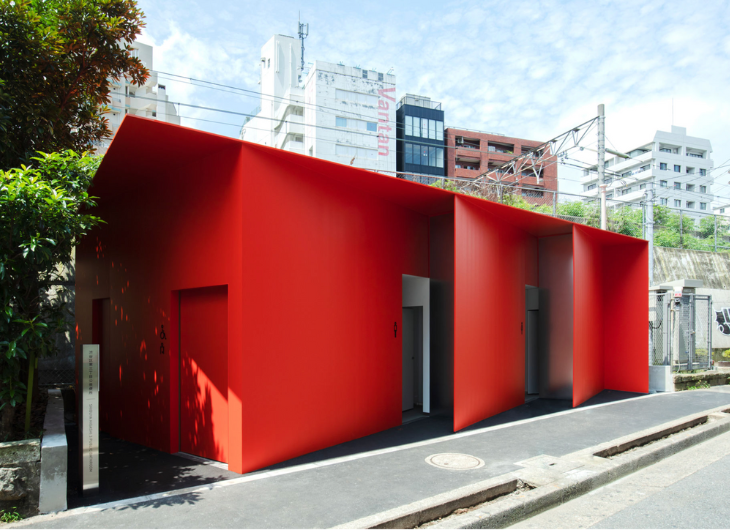
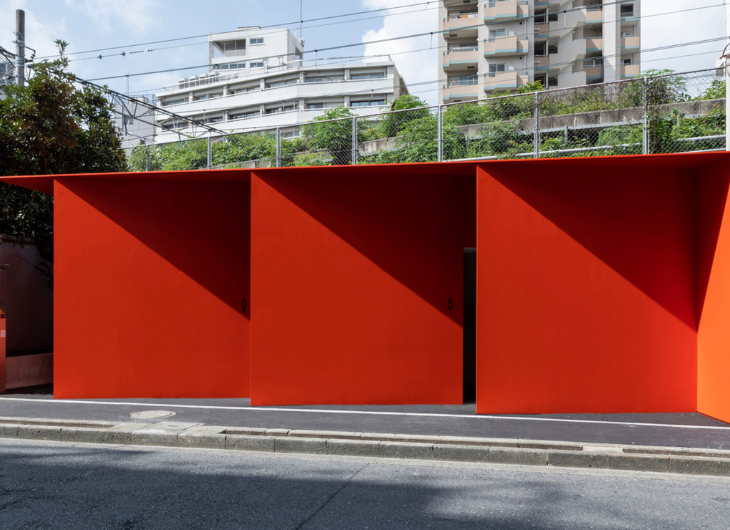
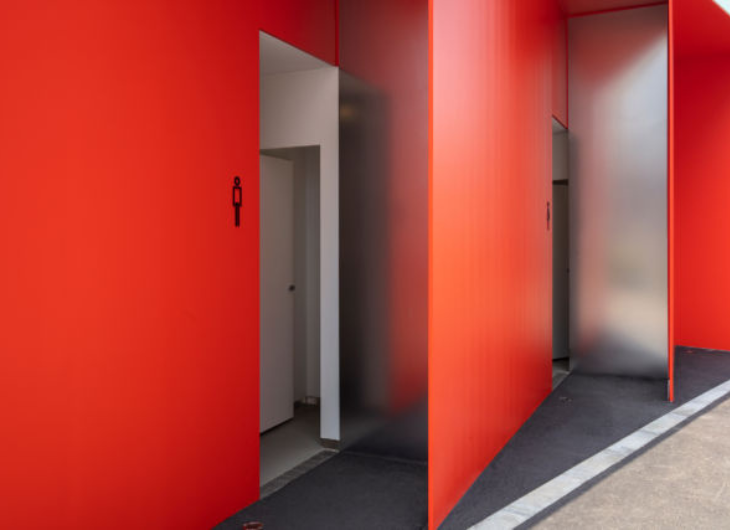
#6 Kengo Kuma, Nabeshima Shoto Park (2-10-7 Shoto)
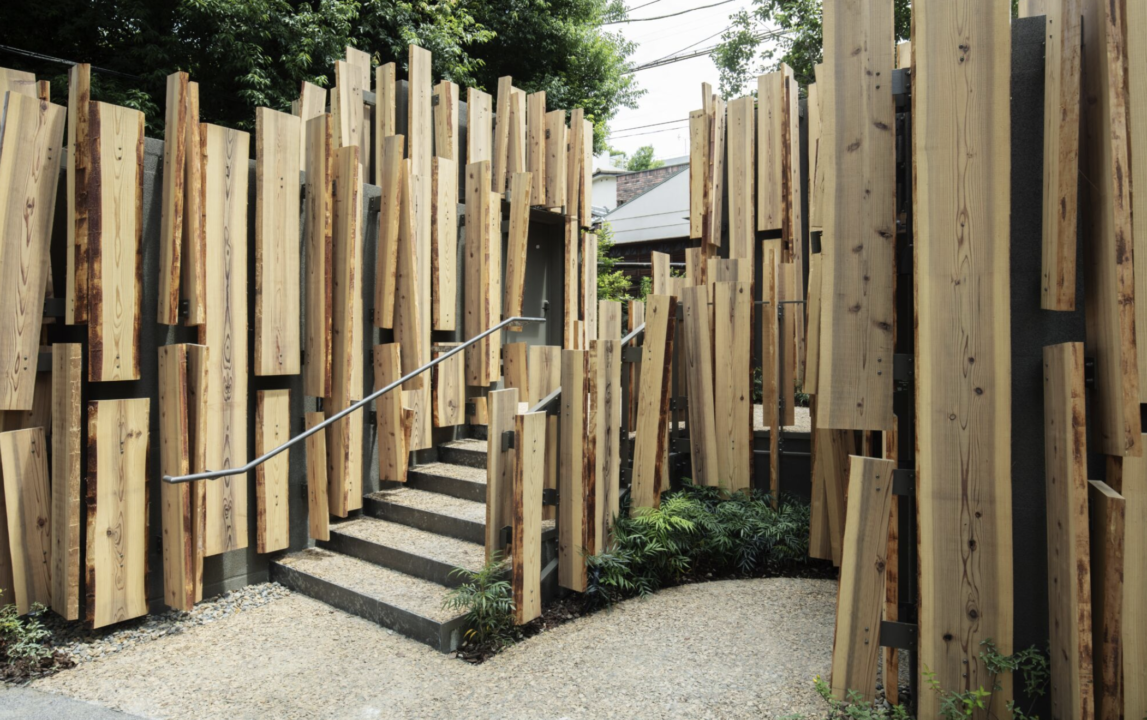
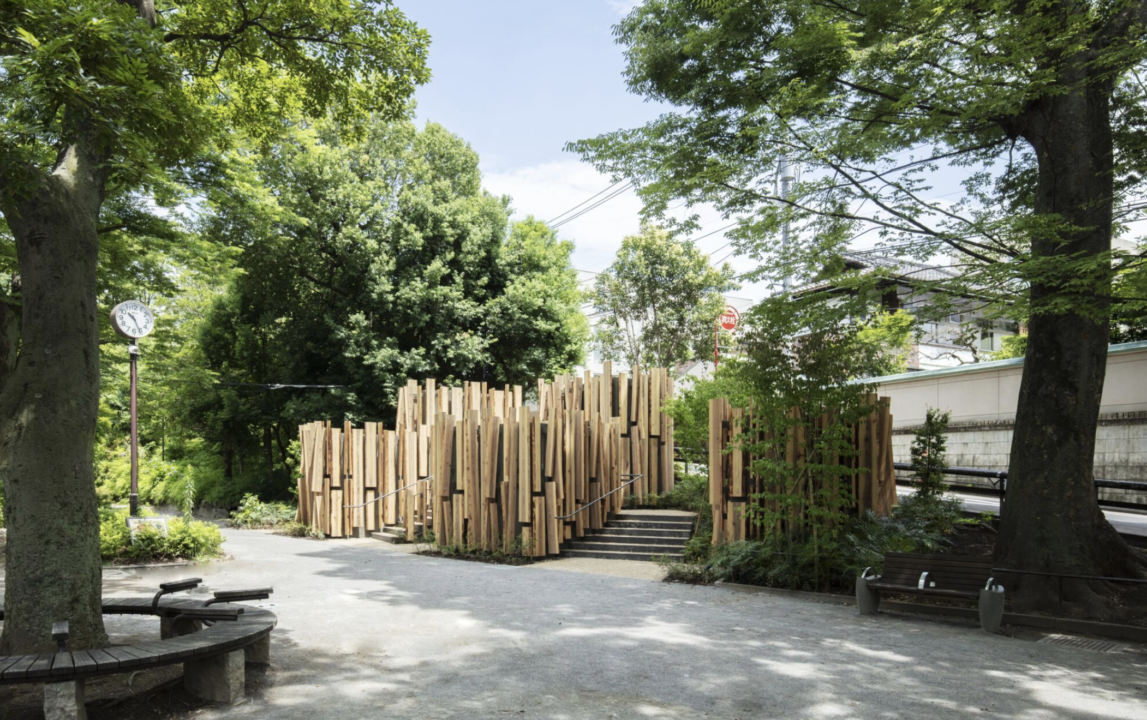
#7 Junko Kobayashi, Sasazuka Greenway (1-29 Sasazuka, Shibuya)
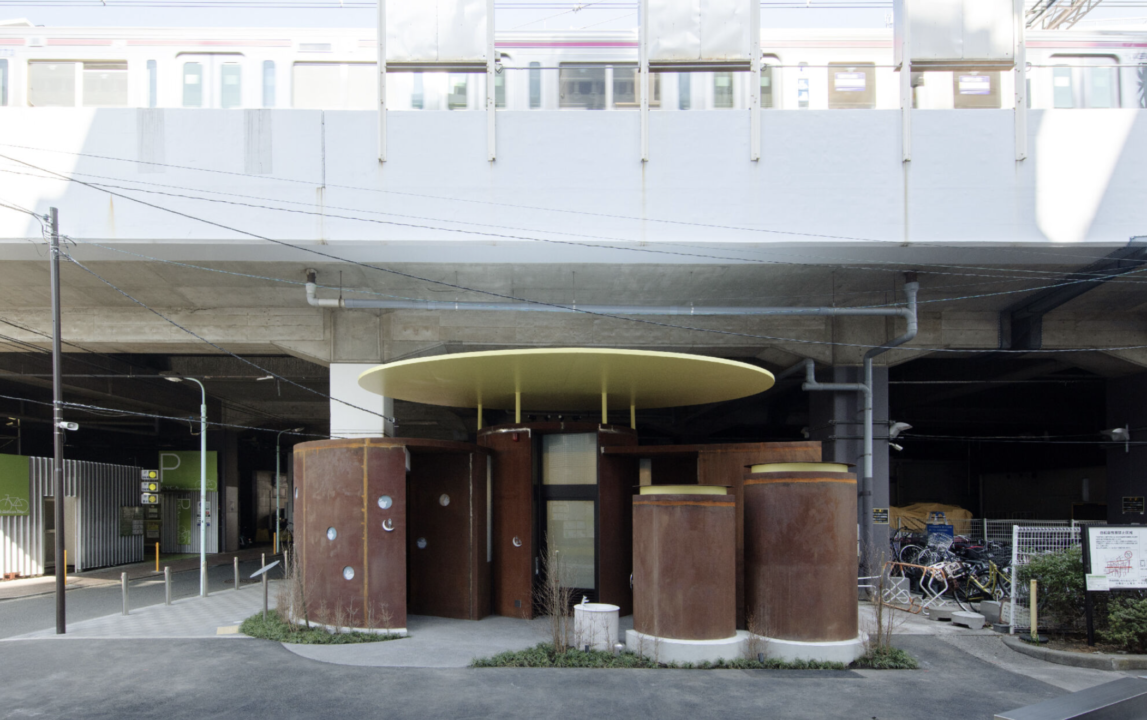
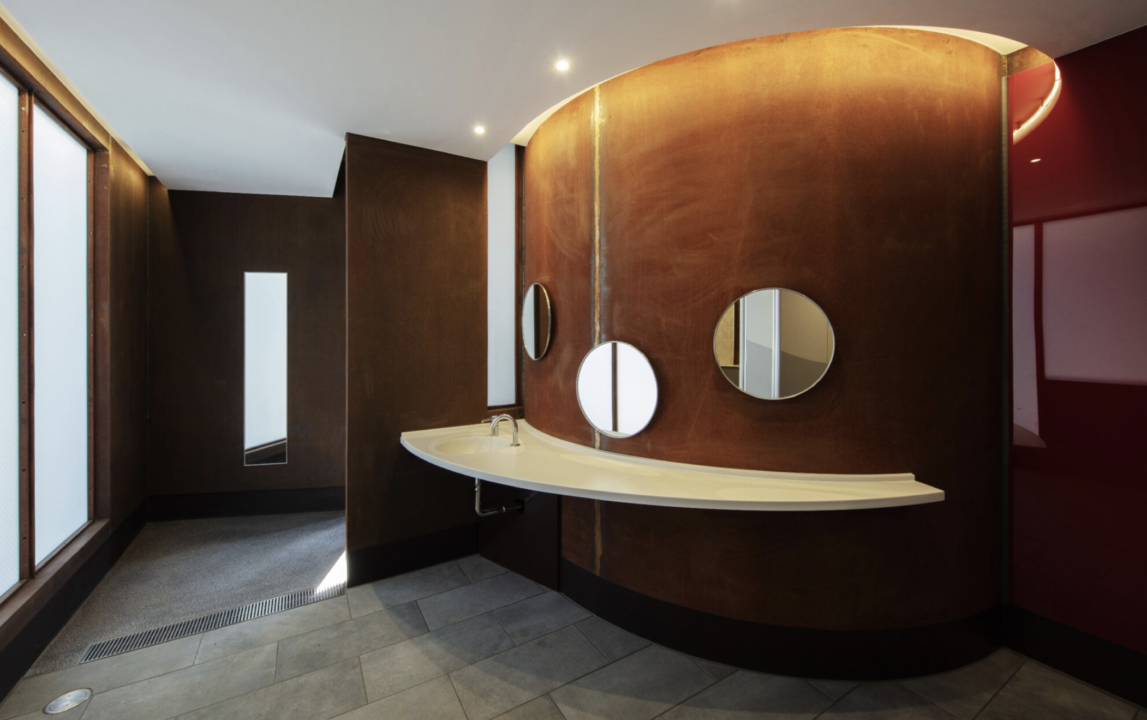
#8 Fumihiko Maki, Ebisu East Park (1-2-16 Ebisu)
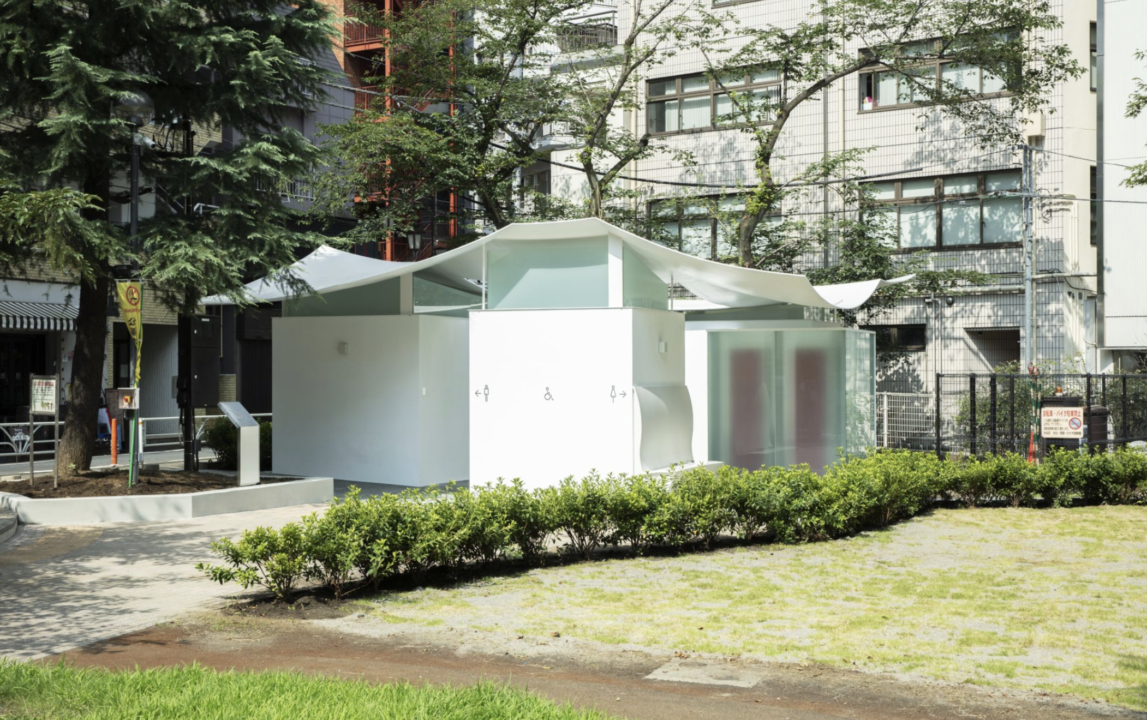
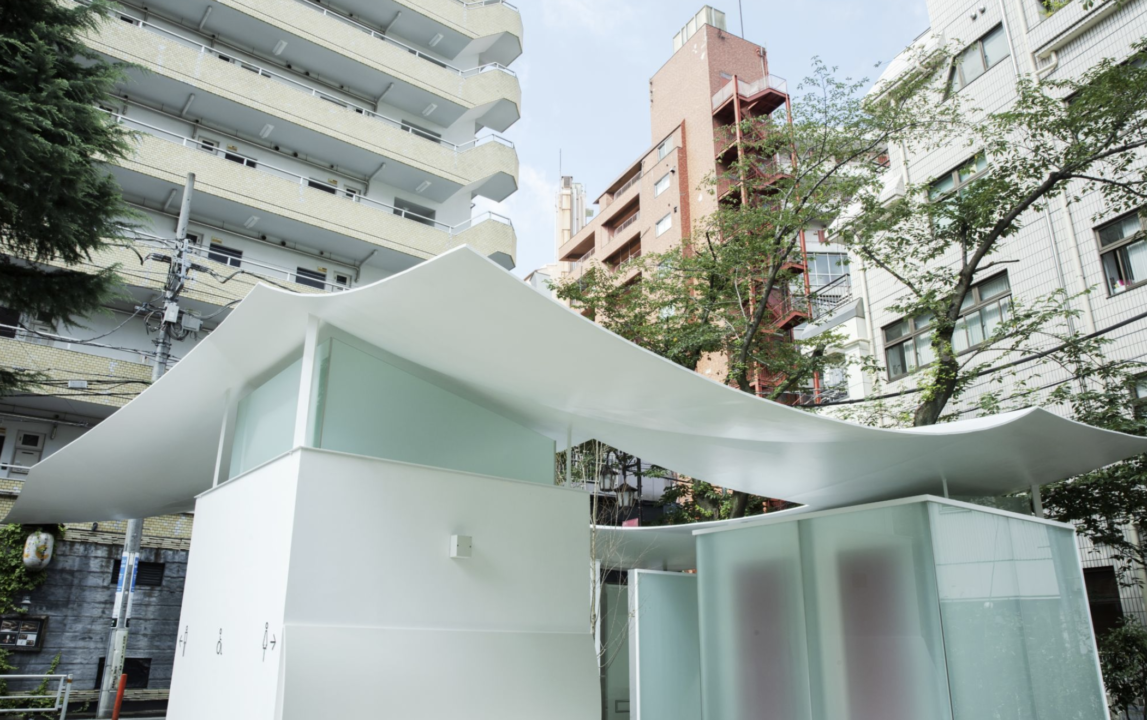
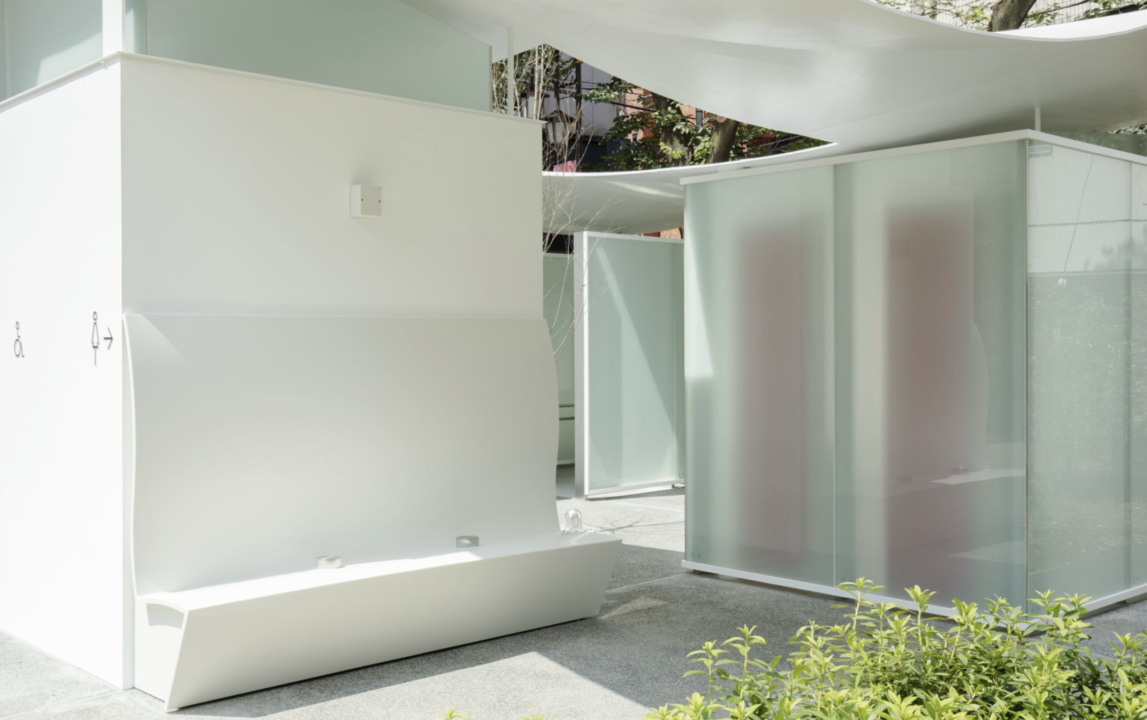
The other nine toilets are:
#9 Shigeru Ban, Haru-no-Ogawa Community Park (5-68-1 Yoyogi)
#10 Takenosuke Sakakura, Nishihara Itchome Park (1-29-1 NishiharaTakenosuke Sakakura)
#11 Kashiwa Sato, Ebisu Station, West Exit (1-5-8 Ebisu-Minami)
#12 Toyo Ito, Yoyogi-Hachiman (5-1-2 Yoyogi)
#13 Kazoo Sato / Disruption Lab Team, Nanago Dori Park (2-53-5 Hatagaya)
#14 Tomohito Ushiro, Hiroo Higashi Park (4-2-27 Hiroo)
#15 Marc Newson, Urasando (4-28-1 Sendagaya)
#16 Miles Pennington / UTokyo DLX Design Lab, Hatagaya (3-37-8 HatagayaMiles Pennington)
#17 Sou Fujimoto, Nishisando (3-27-1 Yoyogi)
All photos are taken by Satoshi Nagare x The Nippon Foundation