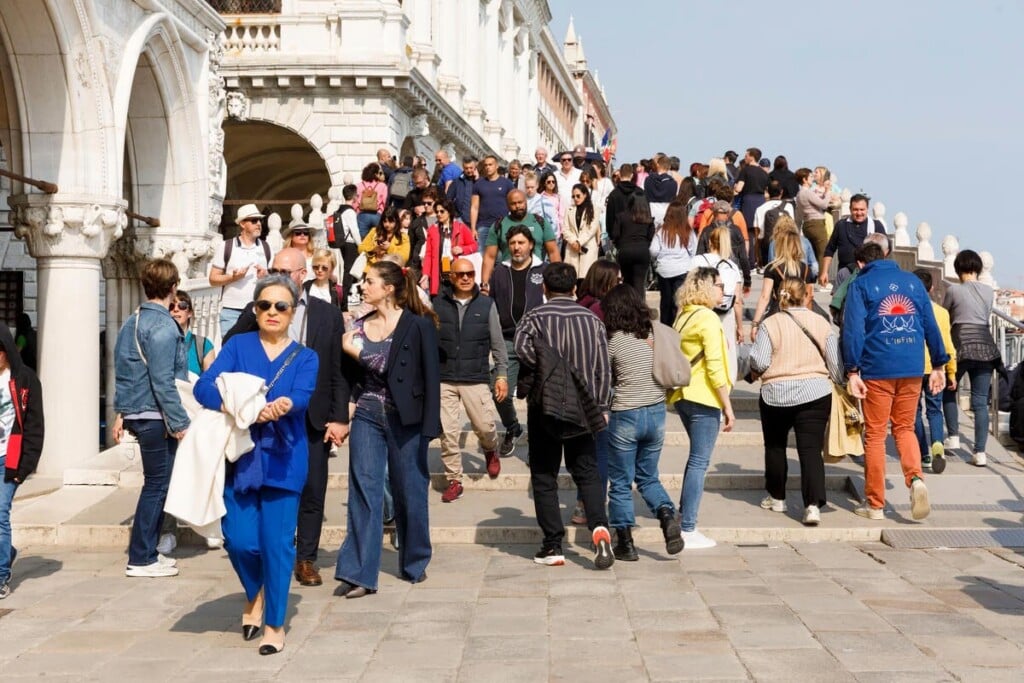
There’s a word that in recent years has been heard more and more, especially over the summer months, and it’s overtourism or hyper-tourism. It’s what happens when a place is visited by so many people that it stops functioning as somewhere people live and becomes only somewhere people pass through. Shops sell nothing but souvenirs, neighbourhood bars turn into cocktail bars for tourists, apartments leave the long-term rental market and end up on Airbnb. The people who used to live there move away because prices go up and the place no longer looks like itself. What’s left is a stage set, the facades are there, the streets are there, but the life that animated them isn’t.
It’s a “hit and run” kind of tourism, driven by the urge to accumulate experiences in the shortest time possible, somewhere between FOMO and checklists. The lives we lead leave so little space that by the time we finally get to leave, we do it with an accumulated, frantic hunger.
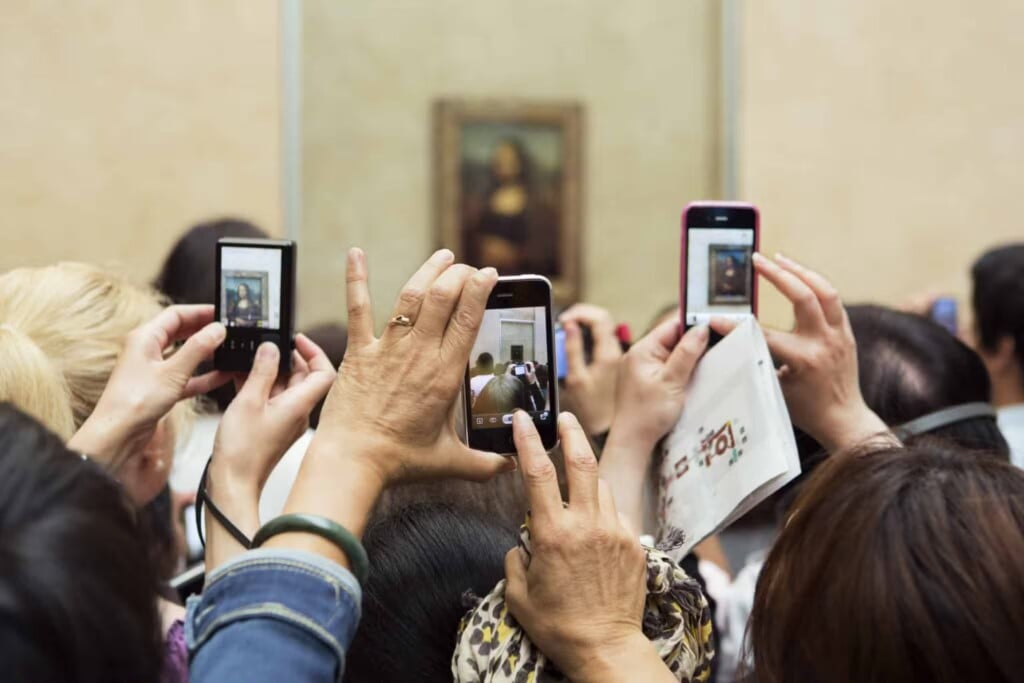
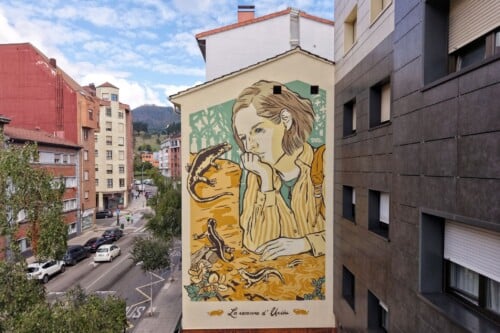
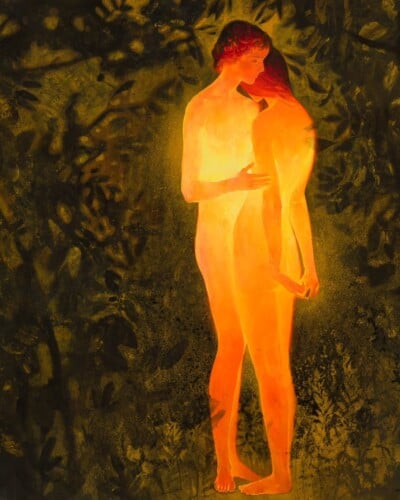
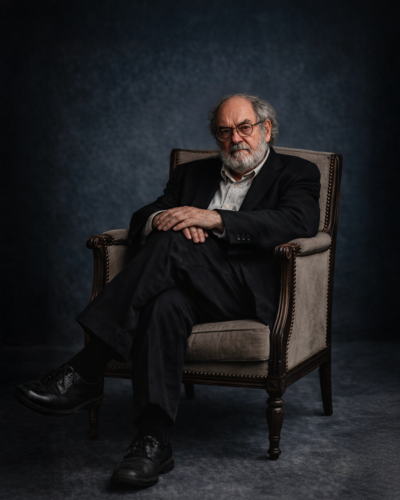
Philippe Daverio used to say that nobody walks into a library intending to read every book in an hour and a half. It was an observation about the way we approach art, but it’s hard not to think of it when looking at a city emptied of its residents to make room for our frantic tourism. Why do we behave exactly like that in front of paintings, and why do we behave exactly like that in front of a city? The distinction he drew was between seeing and looking. And looking takes time. It’s a pause, an intention, staying in front of something long enough to feel something shift, for details to emerge that hadn’t been seen before. Time, and not only in museums, is exactly what seems to be getting harder and harder to allow ourselves. It’s as true for a painting as it is for a city, or for anything that needs TIME to be understood.
The society we live in, and that we’ve accepted, has a problem with time: little holiday time, rushing to work, rushing to pick up the kids, a table booked by 9pm, fast food, fast fashion. Stopping is a waste, unused time is lost time. Hyperactivity has become a value. And once you’ve internalised the idea that every moment has to be productive, even a holiday has to produce something. If you go somewhere and don’t show it, you weren’t really there. The trip becomes just another task to complete. Showing it, then, isn’t only vanity, it’s the way what we’ve lived through becomes real.

There’s also something that fuels this urgency even before we leave, and it’s the way we’ve learned to desire places today. Social media has built an economy of desire based on the repetition of the image: you see a photo of a place, then another, then a hundred more identical ones, and we start to want it. What’s born from that, though, isn’t necessarily curiosity about the place itself but often the desire to picture ourselves inside a scene we already know, to reproduce it and finally share it. So we don’t set off to discover something we don’t know, but to witness something we’ve already seen.
Paradoxically, the real place becomes nothing more than confirmation of an image. The more it’s photographed, talked about and desired, the more people arrive looking for that same image, and so that place reshapes itself to answer only that desire, and loses what made it alive.
I recently got back from a trip to Brittany. One evening, after dinner, without planning it, we ended up on the beach at Cherueix, under a July light that never quite set. My wife, my daughter and I started walking across a flat, wet, lunar expanse, towards the ocean the tide had pulled back. The ocean stayed out there, unreachable, so far away we never managed to reach it. Eventually we stopped and turned back. We hadn’t seen anything in particular, or maybe we had. And yet that walk towards a retreating ocean is one of the things I remember most precisely from that trip, maybe because it was completely without purpose, maybe because there was nothing to photograph, nothing to tick off, nothing to show. We were just there, with nothing to reach.
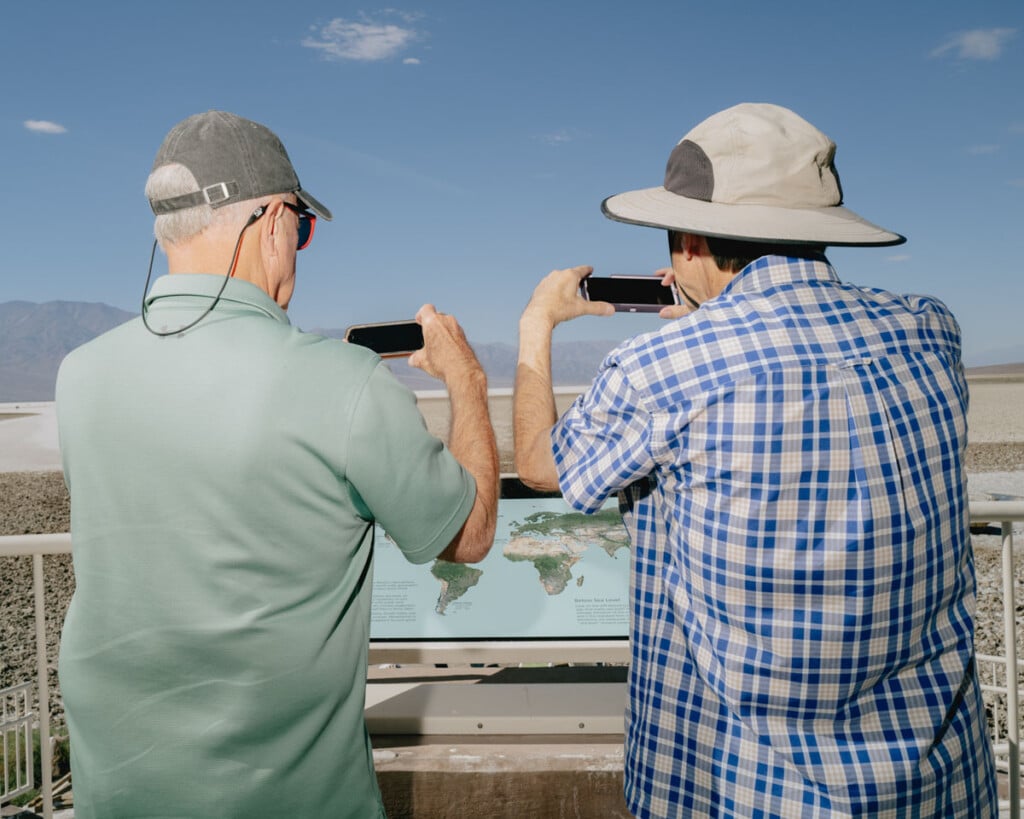

Daverio used to say we should stand in front of a painting for longer than we’re used to. Maybe the same goes for an art city, maybe no one should think of covering it in two days. But we’re slaves to a time that isn’t ours, to lives built around duty and productivity, that leave us little space and a lot of hunger. And that hunger, once we finally set off, turns into rushing. It turns into the list of places to see, the photo in front of the monument, the feeling of having done what we were supposed to.
Maybe what’s missing isn’t time itself, but the willingness to leave it empty, to let a place, a painting or a person happen without you already thinking about what comes next.
On the beach at Cherueix we weren’t looking for anything, and maybe that’s why I remember all of it.