Before i-D and The Face, there was WET Magazine. Founded in Venice Beach in 1976 by Leonard Koren, WET: The Magazine of Gourmet Bathing was much more than a magazine about bathing – it was an aesthetic manifesto that blended irony, eroticism, and Californian visual culture with a style impossible to categorize. And fashion, within WET, was never just one topic among others. It was the very language through which the magazine expressed itself.
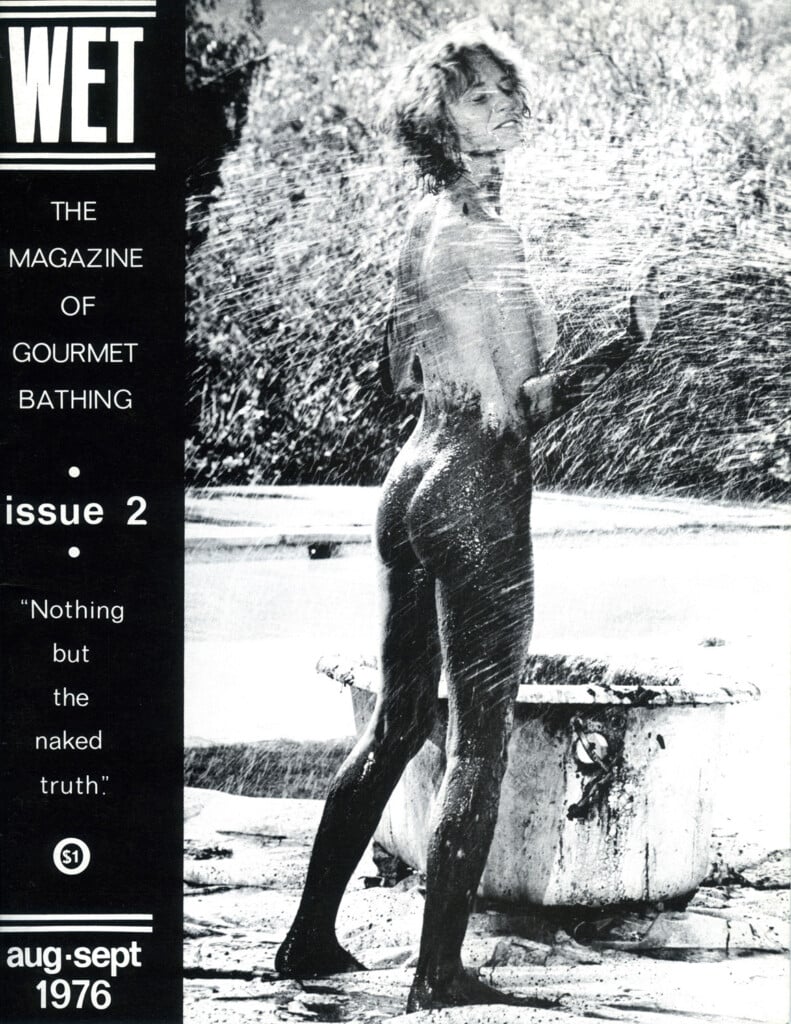

The clothes in the pages of WET didn’t follow trends, but moods. They were often assembled from salvaged objects, worn in surreal ways, immersed in water or paired with completely dissonant elements: seaweed, soap, vinyl records, transparent plastic. The body, always at the center, became a medium for telling a story of fluid, playful, and uncanny aesthetics.

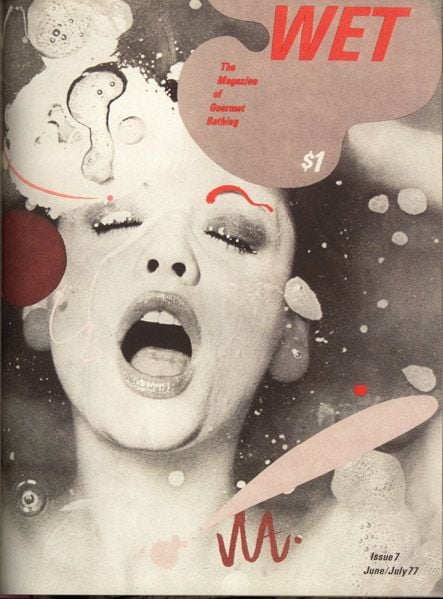
Fashion wasn’t confined to glossy shoots, but blended with radical graphics, improbable color palettes, broken layouts, and nonsensical humor. Every image looked like it came out of a lucid dream between Marcel Duchamp and David Lynch. And yet, it all had its own coherence: WET spoke of the body as surface, of care as performance, of beauty as a desecrating act.

The magazine’s postmodern approach perfectly resonated with a new idea of fashion: no longer a status symbol, but a game, transformation, individual expression. It’s no coincidence that WET featured early works by talents like April Greiman and Herb Ritts, who began exploring a free, hybrid, deeply visual aesthetic right there. Even Matt Groening, before The Simpsons, contributed illustrations and texts, confirming how WET was nothing less than fertile ground for an entire generation of creatives.

At a time when magazines took themselves very seriously, WET turned absurdity into art. Fashion came out of it – literally – soaked, distorted, and precisely for that, incredibly modern for its time.

Read also: Past and present of the fanzine: what do you need to make one?