Scannerzine – Zine Creation Lab, the workshop organized in collaboration with IED and HBC that we’ll be curating next week in Piazza Duca d’Aosta, is just around the corner. As we prepare for the lab, we’ve retraced some key moments in zine history, explored some of our current favorites, and gathered a few tips to help you arrive fully equipped to create your own zines.
Zines were born in the 1930s in the United States as amateur publications, tools for free expression for artists like Marcel Duchamp, who with The Blind Man began experimenting beyond the boundaries of contemporary art. Andy Warhol followed a similar path with Interview, which later became Interview Magazine, still active today.
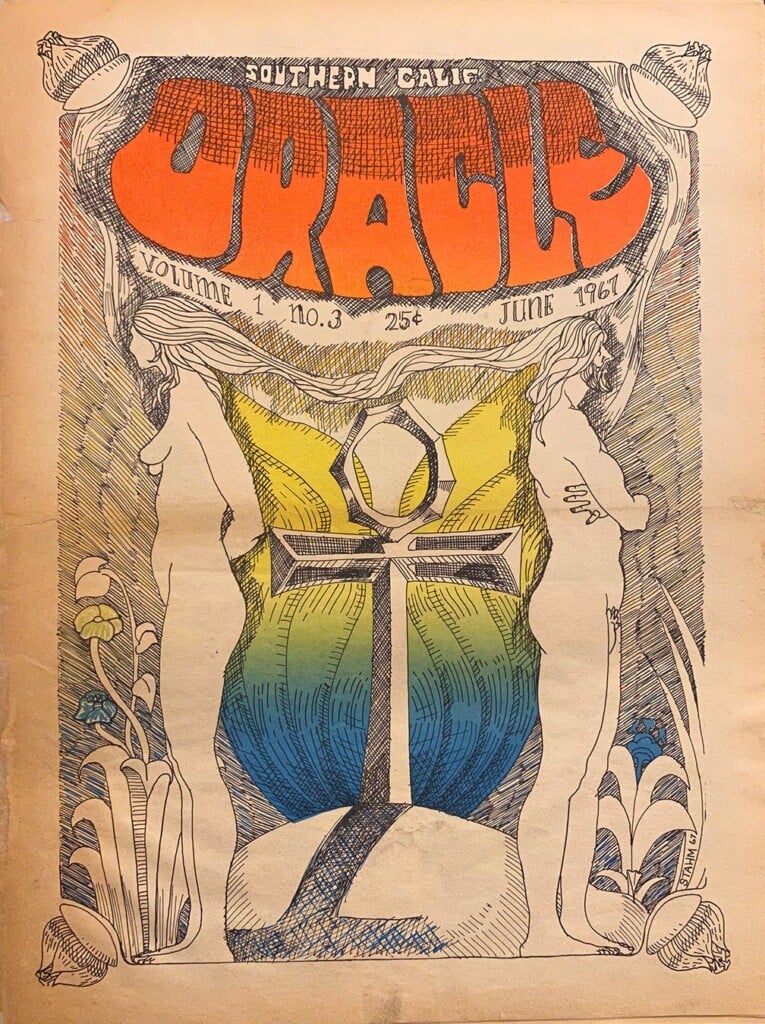
In the 1960s, especially in 1968, zines and underground newspapers multiplied and circulated widely within hippy communities around the world. Bold and revolutionary publications like Frendz, The Oracle of Southern California, and Wendingen (the latter from Germany) emerged. But the magazine everyone talked about was OZ, celebrated by rock stars and artists for its provocative, psychedelic spirit loaded with erotic taboos. Its boldness came at a cost: it soon became the focus of a sensational obscenity trial.
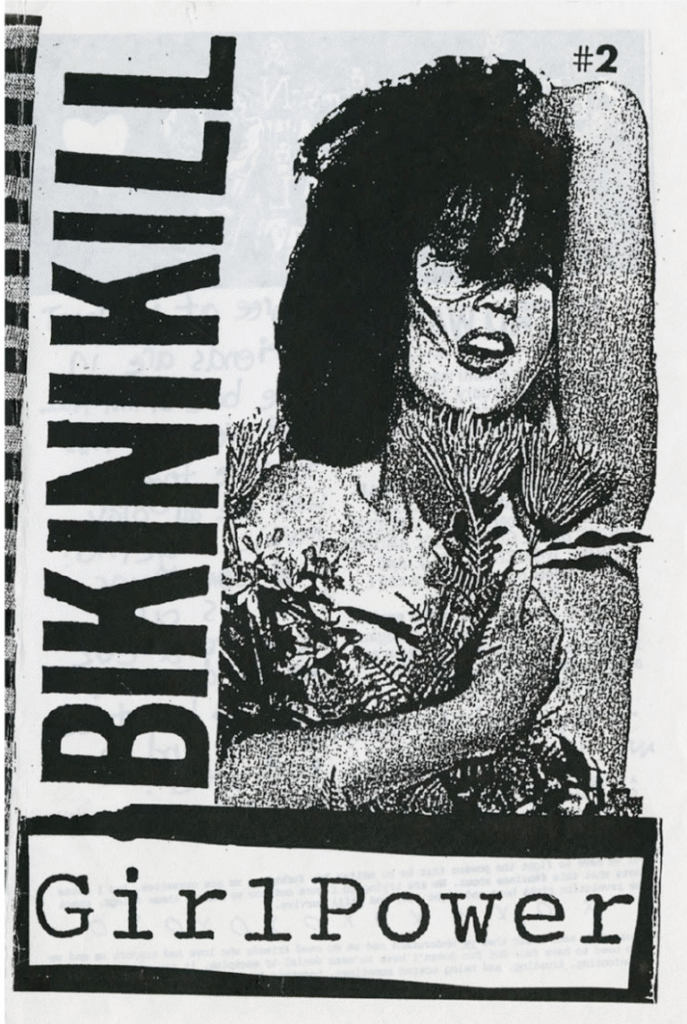
Zines were made by enthusiasts to share ideas, stories, and opinions outside traditional publishing circuits. In the ’70s, they exploded in the punk scene, becoming a political and creative tool for countercultural expression—accessible and DIY. One of the most iconic is Sniffin’ Glue, founded in 1976 in London by Mark Perry, roughly and quickly printed to document the emerging music scene with bands like the Sex Pistols and The Clash. It became a symbol of the DIY aesthetic and punk’s expressive urgency. From the ’90s onward, zines also spread across feminism, art subcultures, and queer movements: Bikini Kill, born within the Riot Grrrl collective and curated by Kathleen Hanna and Tobi Vail, mixed personal texts, feminist slogans, and social critique—giving voice to a new generation of girls in the punk scene. Today, zines are living a new era, both in print and digital, as spaces for resistance, archiving, and free storytelling.
The zines we love today
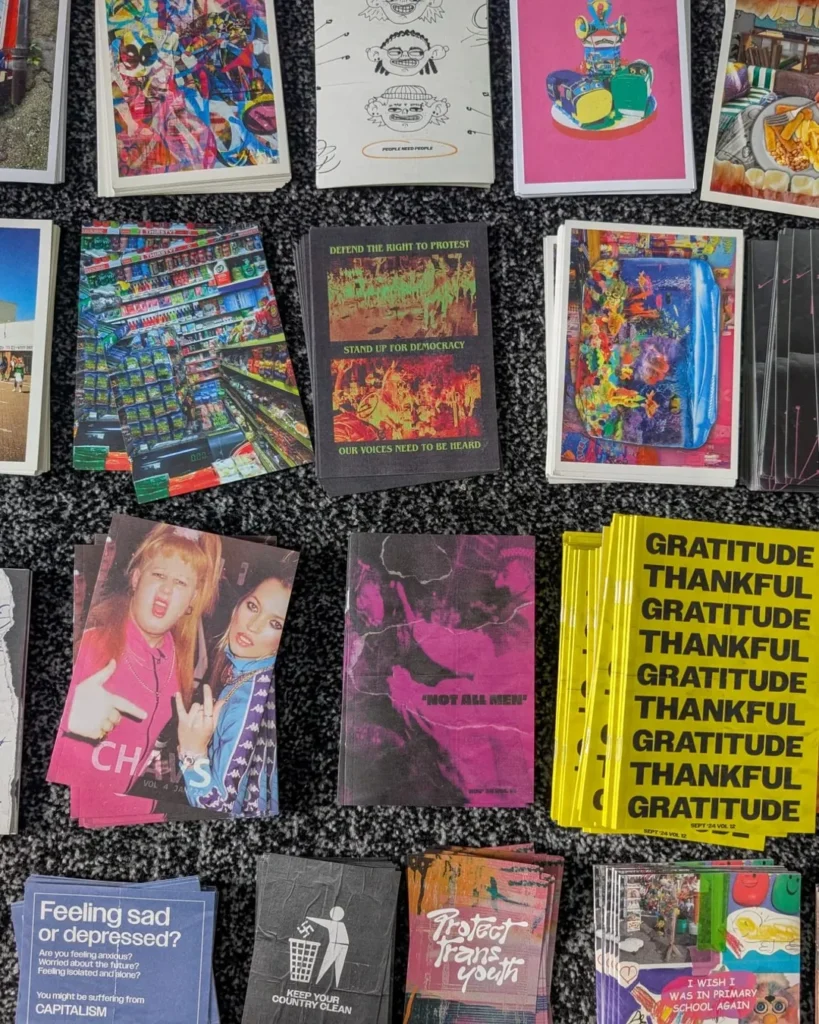
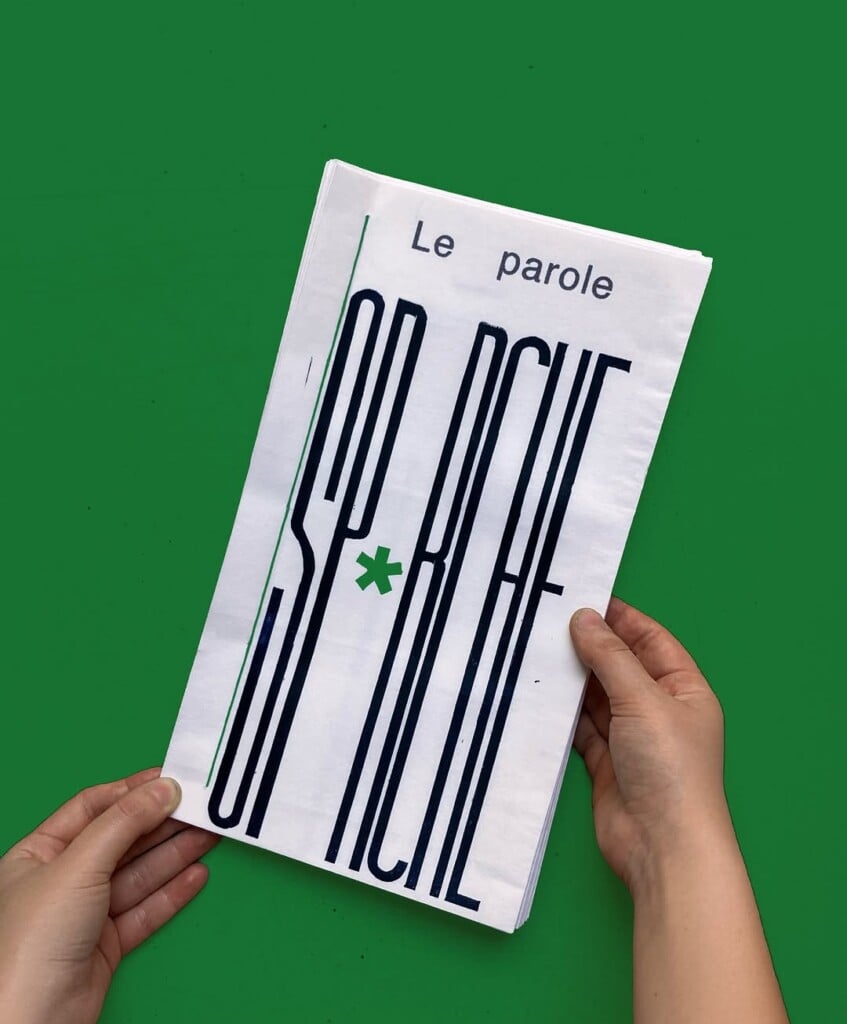
Alongside the historic zines that shaped entire generations, today there are micro-publications that carry on the independent and intimate spirit of the format with delicacy, irony, and radical energy. l’imbarazzo è salutarsi: in tutte le situazioni possibili, printed at home by @madsonpoint this past January and hand-bound with red thread, is a small poetic object that tells of everyday awkwardness with disarming tenderness—to the point that, as the creator says, “even the paper blushes.”
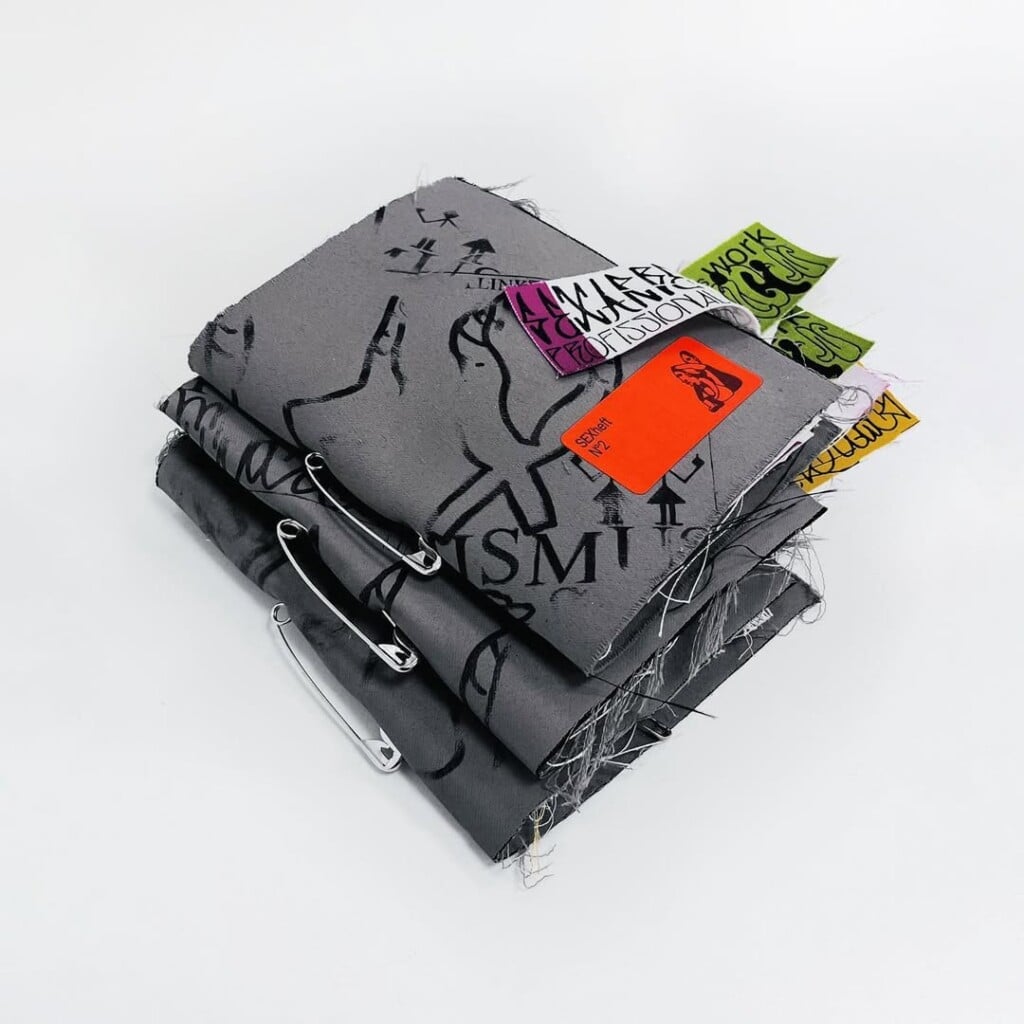
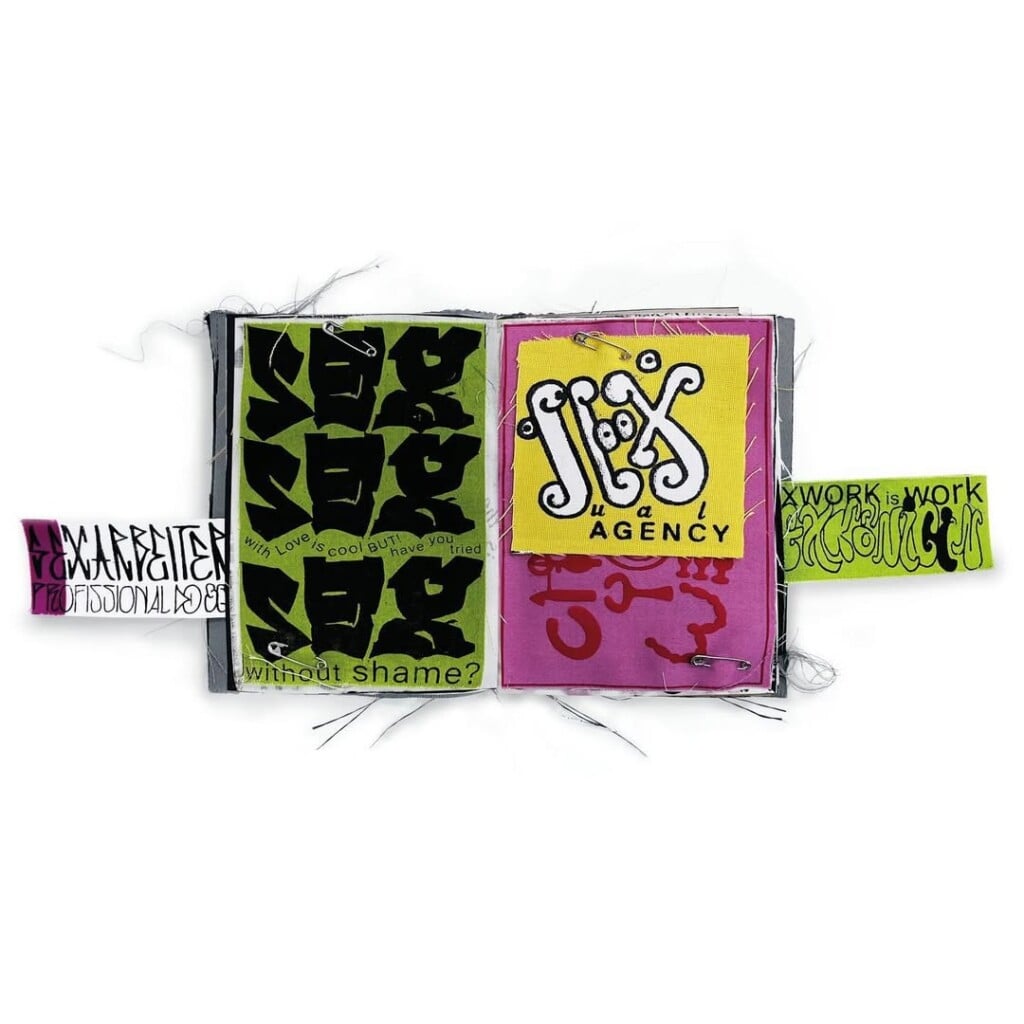
Another example is SEXheft N°2 by @wondering__woman, a sex-positive zine screen-printed on fabrics found in the street, blending graffiti, politics, and poetry from a queer and asexual perspective. Described as “a sexy demon, a queerdo, a tough softie,” this zine is a visual and conceptual patchwork that defies canonical formats and reimagines the body, desire, and print as acts of liberation.
What should you bring to the workshop?
For a personal zine, there are a few key elements worth bringing from home. Think about objects and materials that represent or inspire you: newspaper clippings or special magazines, stickers, postcards, old photos, train or movie tickets, little drawings you’ve made, colored or wrapping paper, light fabrics, cut-out words, post-its full of notes. Anything that can add a unique touch to your page is welcome.
You can also come with an idea, a keyword, a guiding image, or a phrase to start from. It’s not required, but it can help spark your creativity right away and build your own little paper universe. Scannerzine won’t just be a lab, but an excuse to slow down and rediscover the joy of making things with your hands, together with others. A moment to meet, share inspiration, and create something that is greater than the sum of its parts.