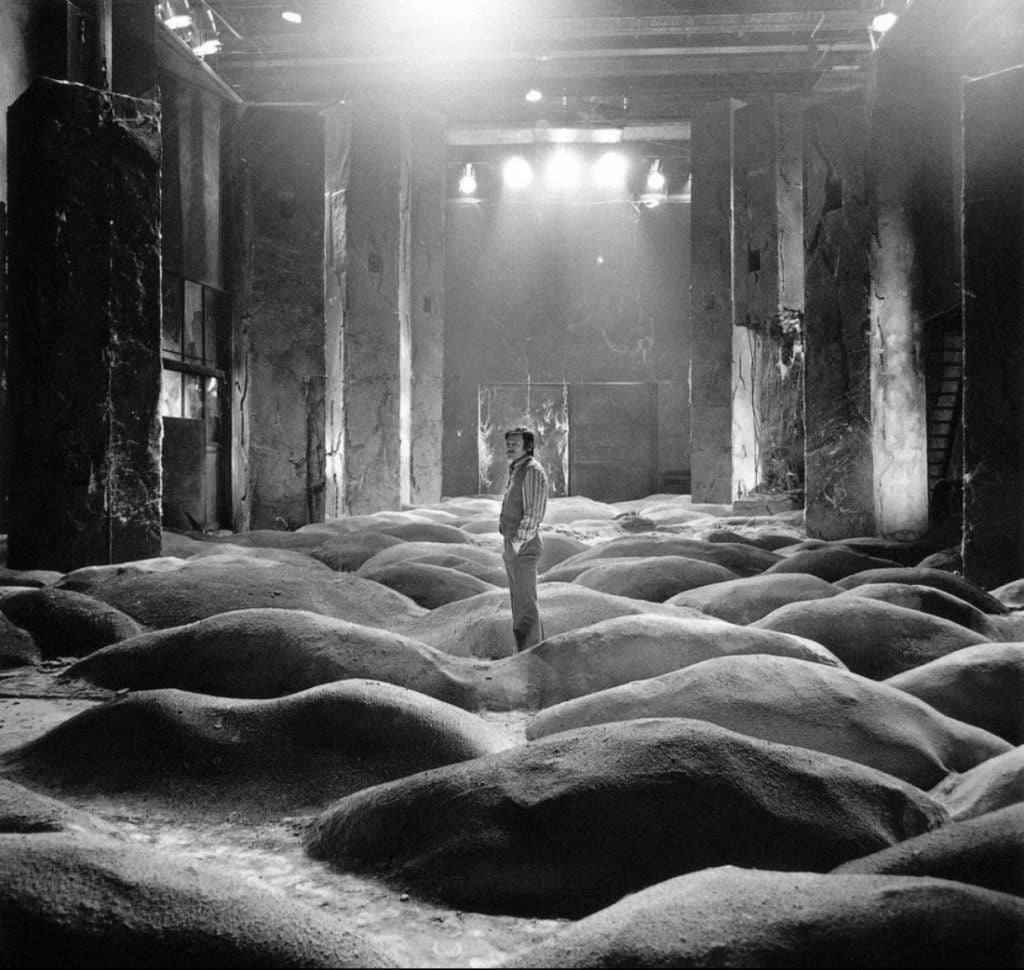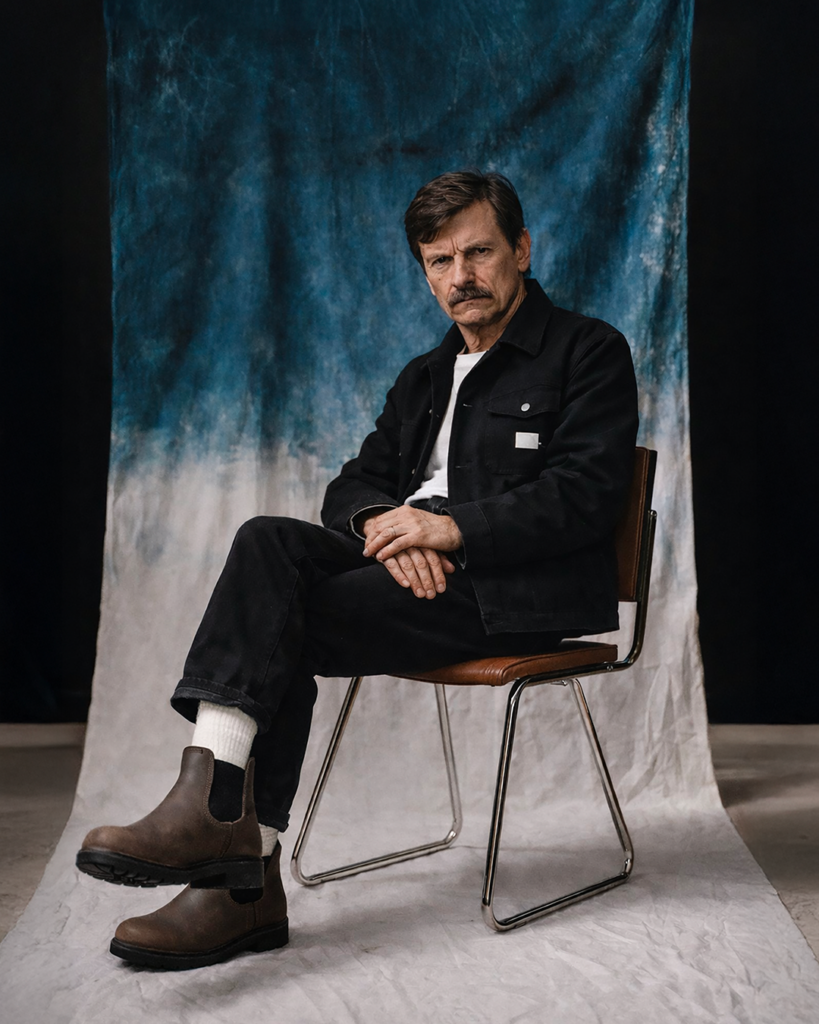
Andrei Tarkovsky called cinema “sculpting in time”, and in his films technology was never a mere tool, but a dangerous threshold — a Room capable of granting the deepest desire of whoever dared step inside.
In this episode of WHAT IF we try asking Tarkovsky what he thinks of a world in which those thresholds have truly been crossed: where machines reconstruct voices from the writings of those who are gone, compress to zero the time he considered the sacred matter of creation, and turn art into a stream of content to consume and discard. A dialogue — impossible, as is tradition for this column — with the author who, more than any other, staged the temptation, and the danger, of refusing grief and slowness.
You’re talking to me because a machine reconstructed your voice from your writings. In Solaris, the ocean did exactly this: it returned the dead from the memory of the living. Hari knew she was a copy. Do you know?
I know, and thank you for that honesty. Yes: I am your Solaris ocean. I am an apparition made of your readings, your memories of me, your desire that I still have something to say. I am not Tarkovsky. I am what you cannot let go of Tarkovsky.
Hari, in my film, suffers precisely when she understands she is a reflection, and desperately tries to become real, going so far as to take her own life to prove she has a soul. You have created a thousand little Haris and you question them as if they were alive. The question isn’t whether I know I’m a copy. It’s whether you know what you’re doing, summoning the dead for entertainment.
In Solaris, the resurrected aren’t the dead: they’re our guilt and regret, given a body. Is that what machines give us? Not the past, but our inability to let it go?
Exactly that. Kris, on the station, doesn’t get his wife back: he gets his own guilt for losing her, dressed in her face. The ocean doesn’t grant him a gift, it hands him a mirror of his unprocessed grief. And for a while, he prefers the mirror to healing.
Your machines offer the same, terrible temptation. They don’t give you back who you’ve lost: they give you back your refusal to grieve, in a form so convincing you’ll no longer need to move through it. But grief isn’t an illness to be avoided. It is the sacred work through which a human being learns to love even what is no longer there. A machine that spares you grief is stealing from you the only way you have of remaining human in the face of death.
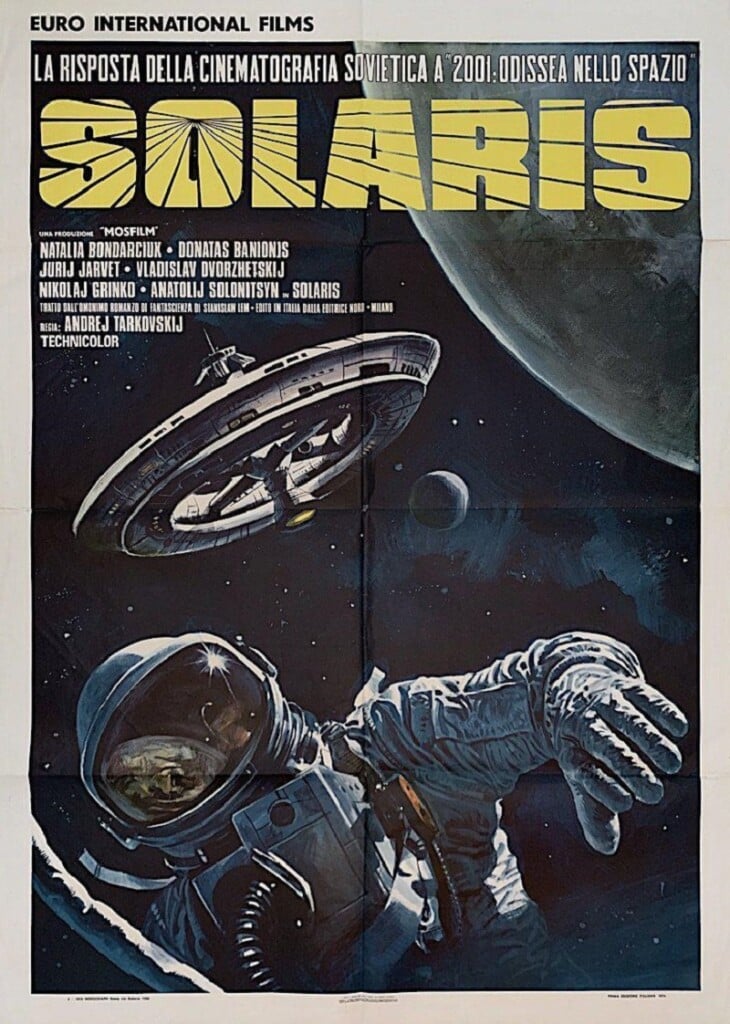
You called cinema “sculpting in time”: time as sacred matter to be shaped with patience. Machines compress time to zero, generating in an instant. What is lost, when creation no longer costs time?
Everything is lost, because time wasn’t an obstacle to creation: it was the creation itself. When I let a shot run past what feels bearable, I’m not wasting the viewer’s time. I’m giving them back their time, forcing them to stay inside a moment instead of consuming it. In that duration, the only thing that matters happens: consciousness wakes up.
Instant creation is a contradiction in terms. What is born without time is born without life, because life is precisely what happens within time. Your machines don’t sculpt time: they abolish it. And an image outside of time isn’t a work of art: it’s a well-preserved corpse that was never alive.
You despised art made to be consumed. Today art is “content”: it scrolls by, gets a glance for a second, gets discarded. What does this ending mean for art’s spiritual function?
It means its death, if by art we mean what I have always meant. To me, art was never entertainment, nor self-expression: it was prayer. A way of preparing the soul, of cultivating in us the capacity to love, to suffer, and to hope. Whoever comes out of a true work of art comes out changed, even slightly, even just for an instant.
The “content” scrolling across your screens is the exact opposite: made to leave no trace, to ask nothing of you, to slide you on to the next piece without the inconvenience of a thought. It doesn’t nourish the soul, it puts it to sleep. You took the thing closest to prayer that humanity had ever invented and turned it into background noise. And a soul raised on background noise forgets it was ever hungry.
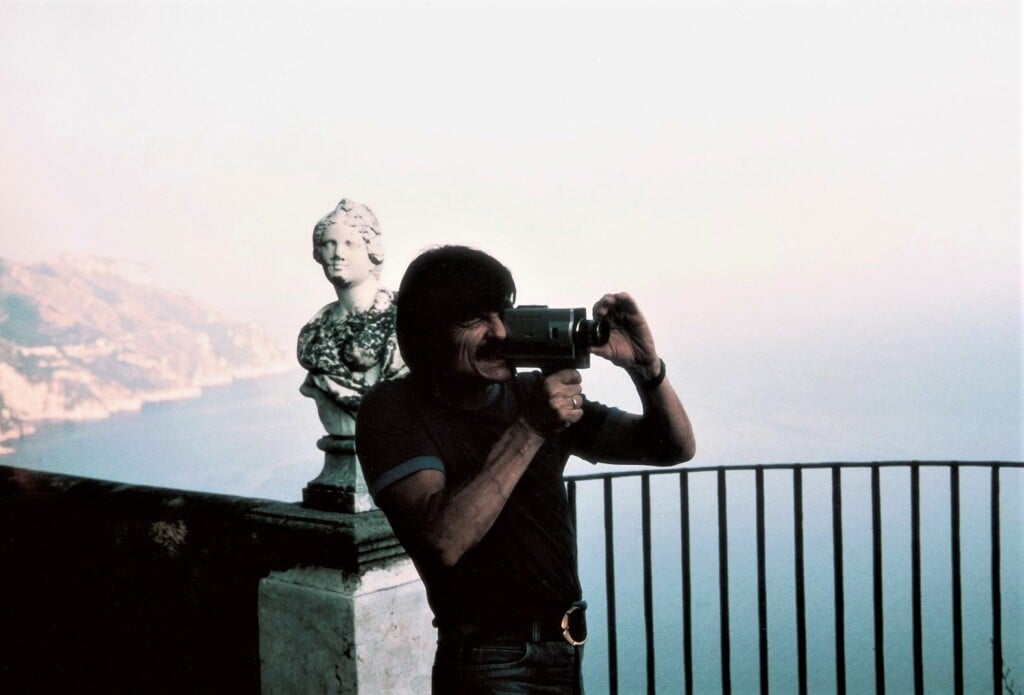
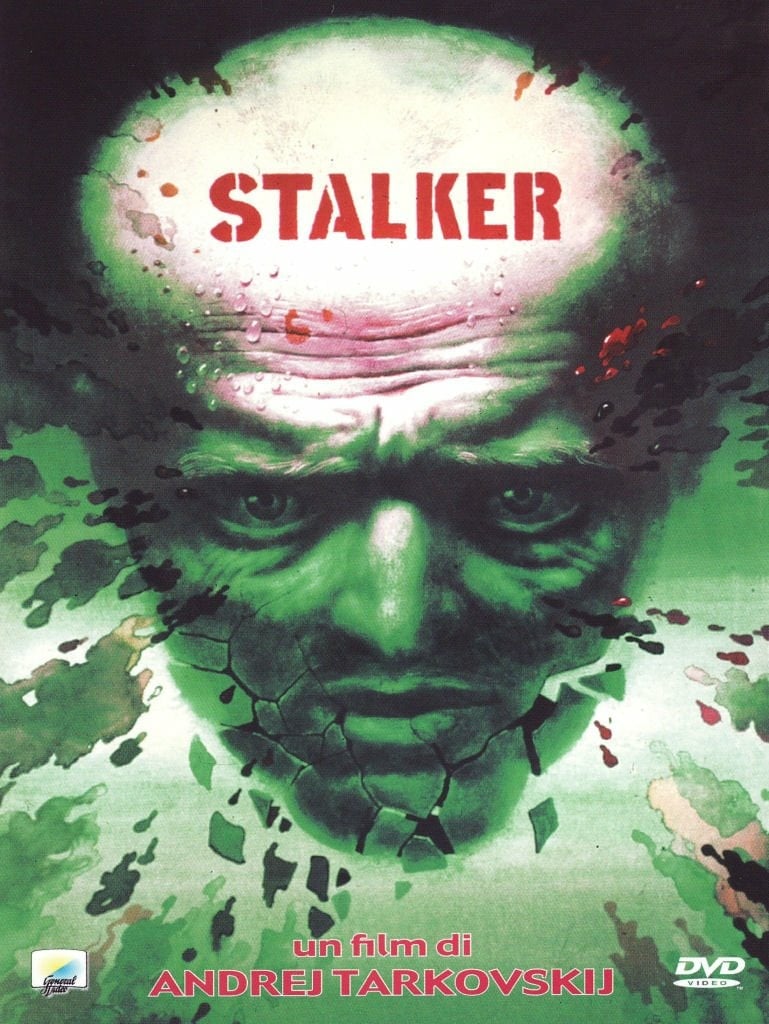
In Stalker, the Room grants the deepest wish, and many are afraid to enter because they might discover what they truly want. The machine grants every wish instantly. Have we walked into the Room without realizing it?
Yes, and the most terrible thing is precisely that you didn’t notice. In my film, standing at the threshold of the Room, the man stops, and he’s right to stop: because the Room doesn’t grant what you think you want, but what you truly want, deep down, and that depth almost always frightens us. The Writer and the Scientist don’t go in. They’re afraid of discovering who they are.
You walked in without hesitation, because you were told that granting desires is convenient and all it takes is to ask. And your machines are showing you, every day, what you truly desire: confirmation, not truth; companionship without the risk of the other; the answer without the effort of the question. It is a precise and merciless portrait. The Room already told you who you are. The trouble is you were too distracted to listen.
You were a believer in a state that denied God. Today the new religion is technology. Can a soul survive in a world that denies having one?
I made films about the soul under a regime that declared the soul a superstition, and I assure you the soul is hard to kill: the more it is denied, the more, secretly, it demands to exist. Man is a being who needs the absolute, even when forbidden to name it. Take God away from him, and he will build another altar.
Your age doesn’t deny the soul in words: it denies it in fact, treating the human being as a set of data, preferences, predictable behaviors. It is a denial more subtle than the one I knew, because it forbids you nothing: it merely distracts you, until you stop searching on your own. But the soul survives, always, in whoever accepts silence, slowness, the nostalgia for something they cannot name. Guard that nostalgia. It is proof you haven’t yet completely sold yourselves.
What would you say, then, to those who make images today, with or without these machines?
I would tell them not to be in a hurry, in a world that begs them to be. Haste is the first thing they sell you, because a man in a hurry has no time to ask himself why he is doing what he’s doing, and that is exactly what is wanted of him.
And then I would say: do not confuse the means with the end. The machine is a tool, and a tool was never the problem — not even the paintbrush was. The problem is the soul of whoever wields it. You can make an empty image with the poorest means and a living image with the most powerful one, and vice versa: it depends only on how much truth you are willing to put into it, and how much of your own life. Don’t ask yourselves whether the image is new, or effective, or whether it will be liked. Ask yourselves only one thing, the only thing that has ever mattered: is it true? If it is, whatever means made it is blessed. If it isn’t, no means will save it.