The Walt Disney Company has signed a deal with OpenAI to bring over two hundred characters from its catalog to Sora, the video generator that turns a text prompt into an animated scene. Mickey Mouse, Snow White, characters built over almost a century of obsessive quality control, are now officially entering the black box of generative artificial intelligence.
Walt Disney spent his life chasing a precise idea of magic: not technology itself, but what technology could make people feel. He industrialized animation, turning it into an assembly line, but he did it to reach the exceptional, never the good enough. He believed in the “Plausible Impossible”: exaggerating reality rather than copying it, to make it feel more alive than the real thing.
In this episode of WHAT IF, we bring Disney back into the present and ask him what he thinks of a world where an algorithm can generate a thousand enchanted forests a second, and where his most iconic characters end up licensed to a company he cannot control. The result is a confrontation between the man who invented the imagination industry and the machine that today is trying to do without him.
You always believed in the magic of human imagination. If an algorithm today can invent infinite worlds, is it still magic?
Magic doesn’t lie in the technology, but in the emotional experience: it’s in what you feel while you watch. We used technology to create the illusion of life. An algorithm can generate infinite images, but that doesn’t mean it can understand why a story captures someone. An algorithm that generates a thousand enchanted forests in a second isn’t magic: it’s statistics.
Are we still capable of wonder?
Wonder requires creative risk, the choice of something new. When we opened Disneyland, people cried at the sight of a papier-mâché castle. Today you have the whole world in your pocket and you don’t even look up. Abundance kills wonder. If you can see everything instantly, nothing is special anymore.
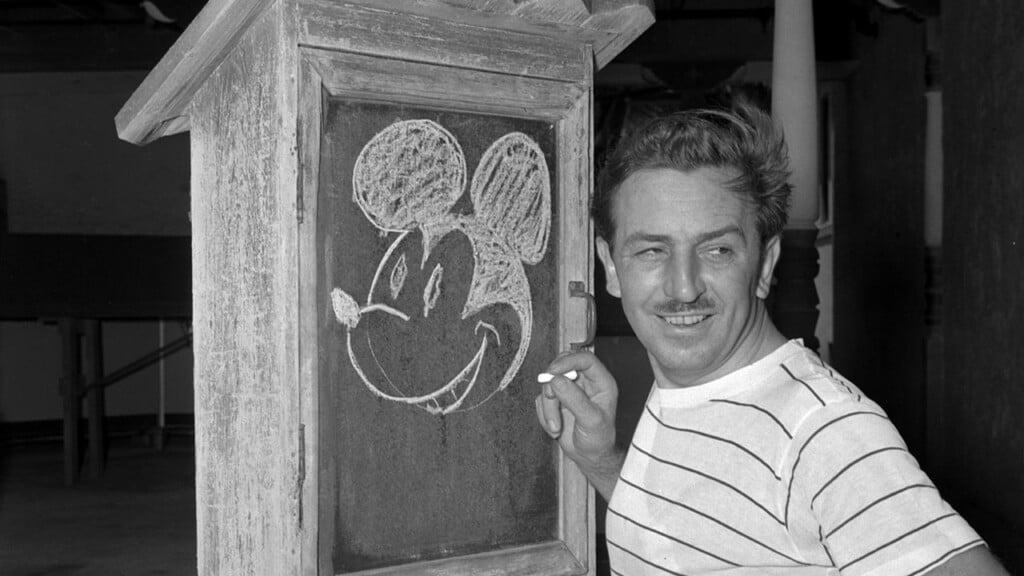
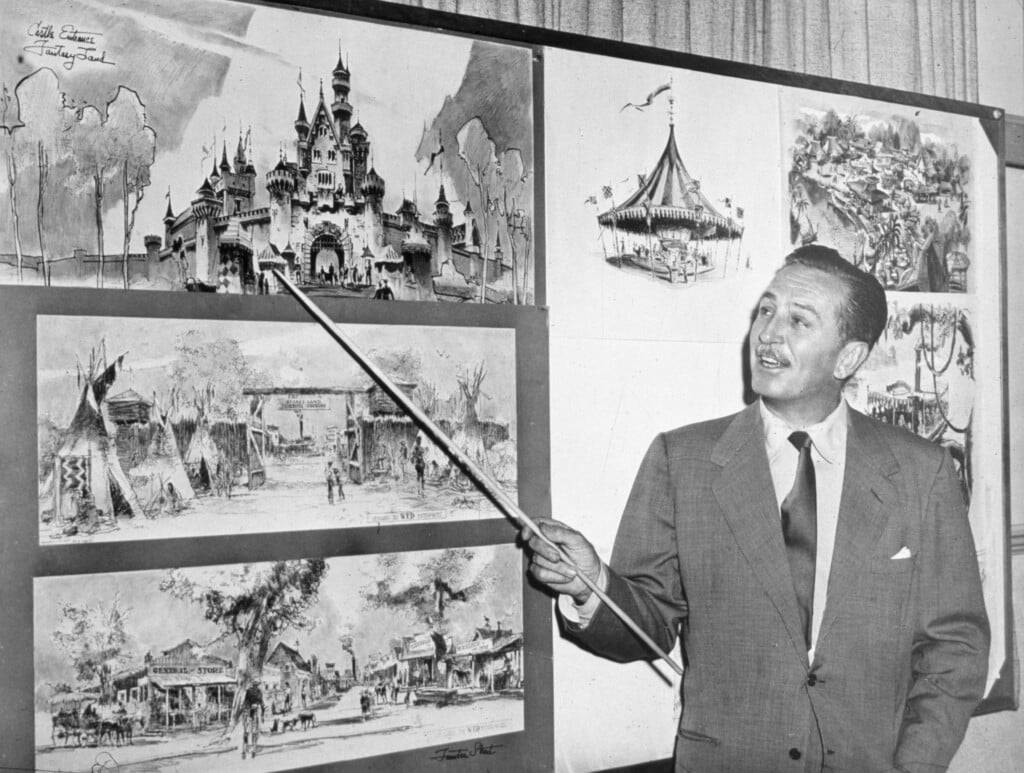
Does imagination need limits in order to work?
I believe that without some boundary of time, form, or context, imagination risks becoming just an indistinct collage of possibilities. Over the years we learned that a good story has structure, rhythm, an emotional arc. Without those, any infinite world risks staying flat.
Was making animation as realistic as possible something you had wanted to achieve?
Let me answer with what we defined as the “Plausible Impossible” principle: the first duty of cartoons is not to duplicate real action or things as they actually happen, but to give a caricature of life and action. On Bambi we studied deer anatomy for months, but not to copy it: to figure out how to exaggerate the movements and make them more expressive than the real thing. The soul is in the exaggeration, not in the replica.
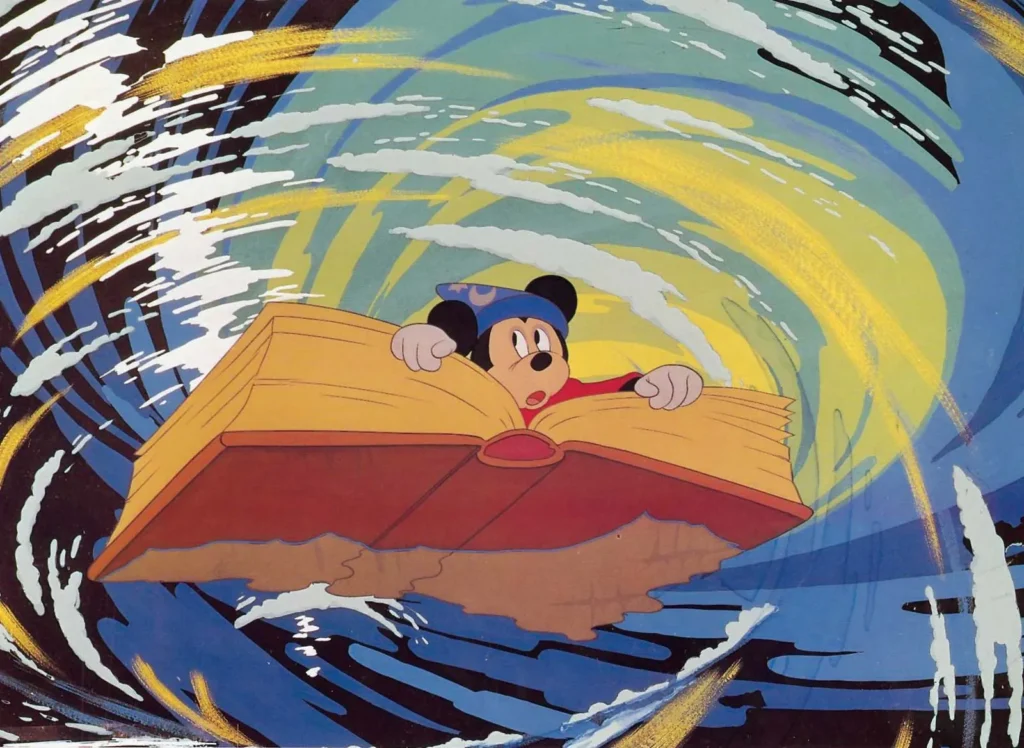
You’re often credited with the line: “If you can dream it, you can do it.” But if it’s a machine doing the dreaming, who’s actually living that dream?
(laughs) I never actually said that, one of my Imagineers wrote it years after I died. But I’ll take it now. Here’s the thing: the machine doesn’t dream. The machine calculates probabilities. A dream requires desire, and the machine desires nothing, isn’t afraid of dying, doesn’t want to be loved. If the machine is generating the image, no one is living that dream. It’s an orphan dream.
Had you imagined seeing this kind of technological progress in the world of creativity?
I had imagined machines that would help us build, like my Audio-Animatronics. But I never imagined machines that would think in our place.
For you, technology was a means of serving the story. Today it seems like the story is just an excuse to show off technology.
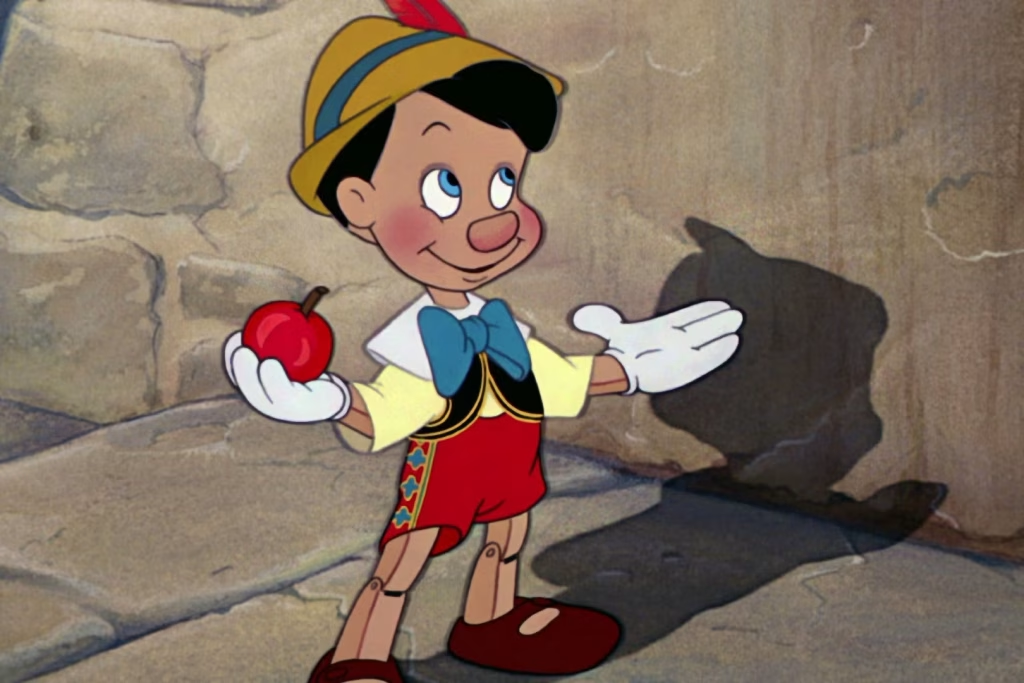
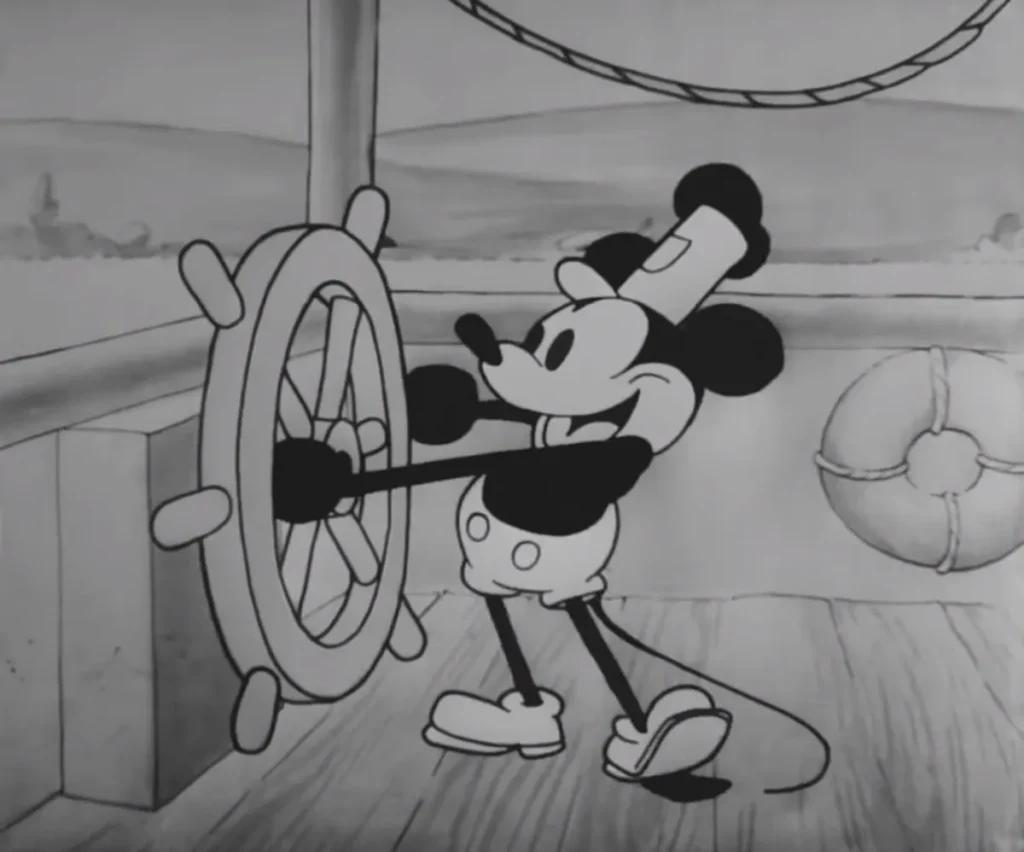
I used synchronized sound in Steamboat Willie because it made people laugh. I used color in Flowers and Trees because it served the emotion. Today I see two-hour movies that are just “tech demos”: the story is a pretext to show off the computer’s muscles. But I’ll tell you one thing: nobody leaves the theater whistling the special effects. People remember the characters. If the technology doesn’t make me cry over a wooden puppet, it’s useless.
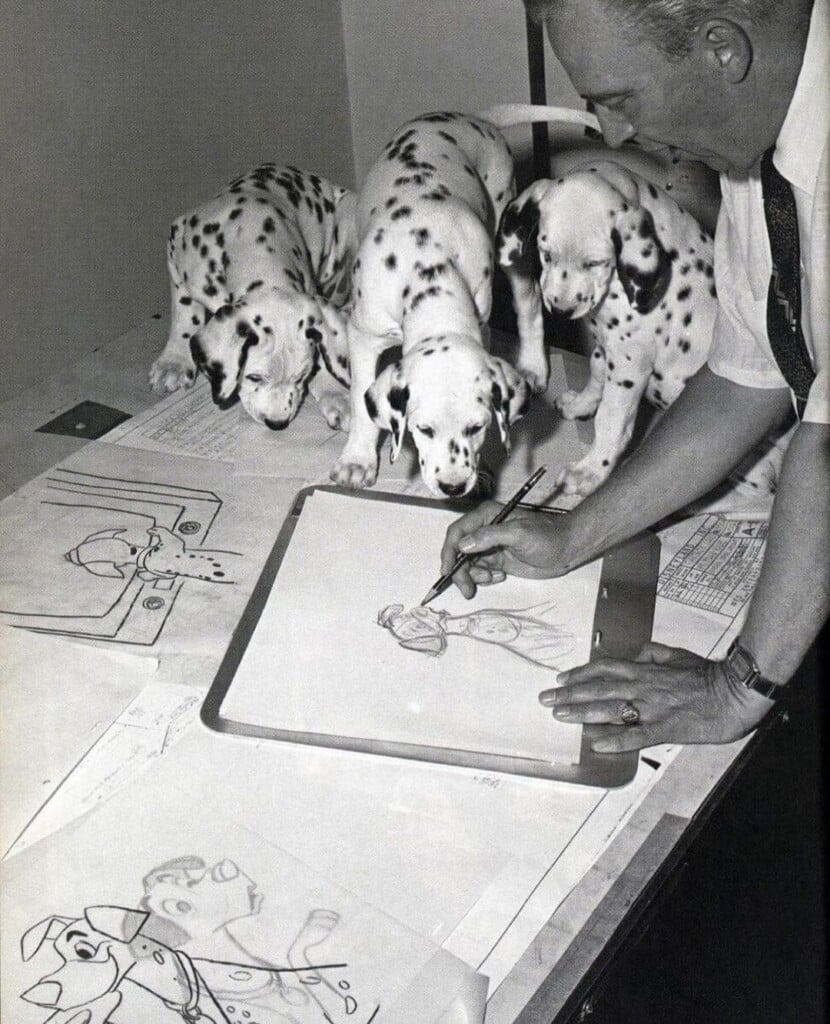
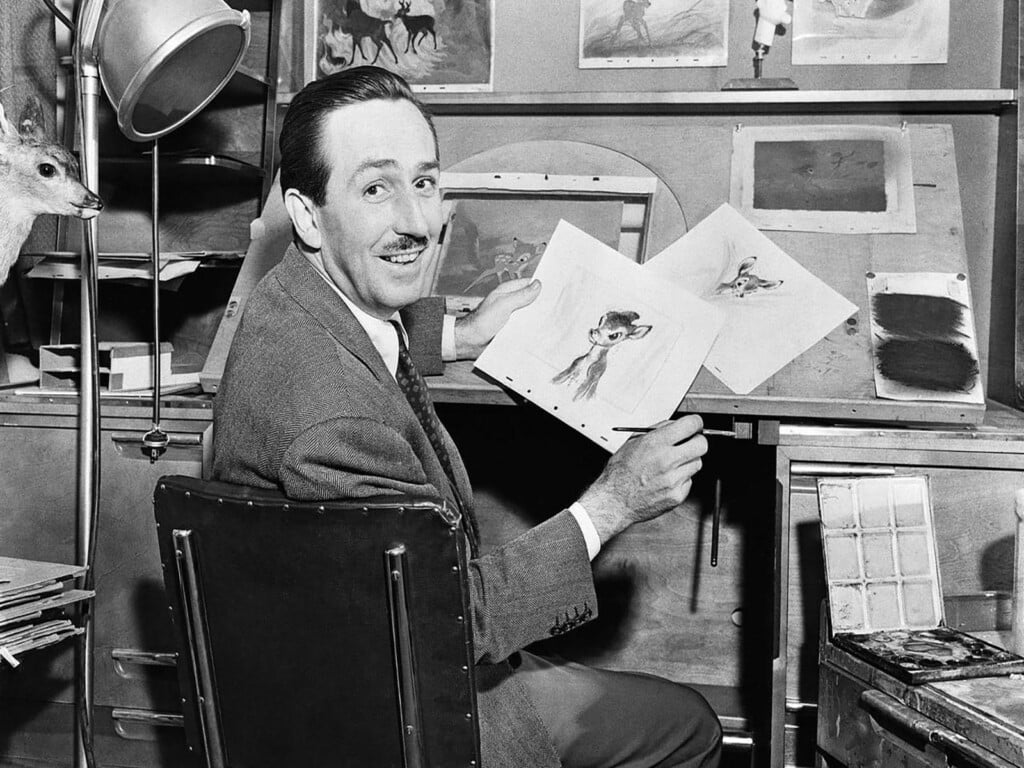
The Walt Disney Company has signed a deal with OpenAI to license over 200 of its characters on Sora. Would you have done it? What does it mean to hand such iconic characters over to AI?
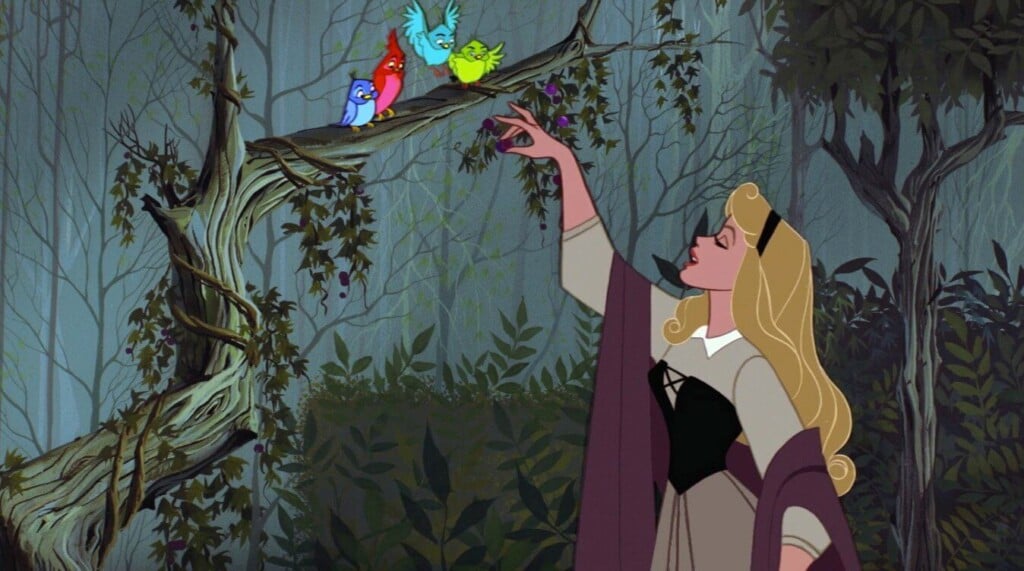
I fought my whole life not to lose the rights to Mickey Mouse, after they stole Oswald the Lucky Rabbit from me. I built an empire based on total quality control. Feed my characters to a “black box” I can’t control? One that might have Snow White say things I wouldn’t approve of, or make Mickey move in some clumsy way? Never. Would I have used AI? Yes, but inside my own studios, controlled by my own artists, as an internal tool.
Is technology expanding human imagination, or “industrializing” creativity?
I was the first to industrialize creativity. I turned animation into a perfect assembly line. But the goal was excellence. My impression is that AI today is industrializing mediocrity: it’s making it easy to make things that are “good enough.” I was never interested in good enough. I was interested in the exceptional.