In Yushi Li’s work, photography becomes a space for reflecting on desire and the body. Born in China and now based in London, Li explores the ways art history has shaped models of desire and erotic representation, subverting traditional iconography to give voice to a female, contemporary point of view.
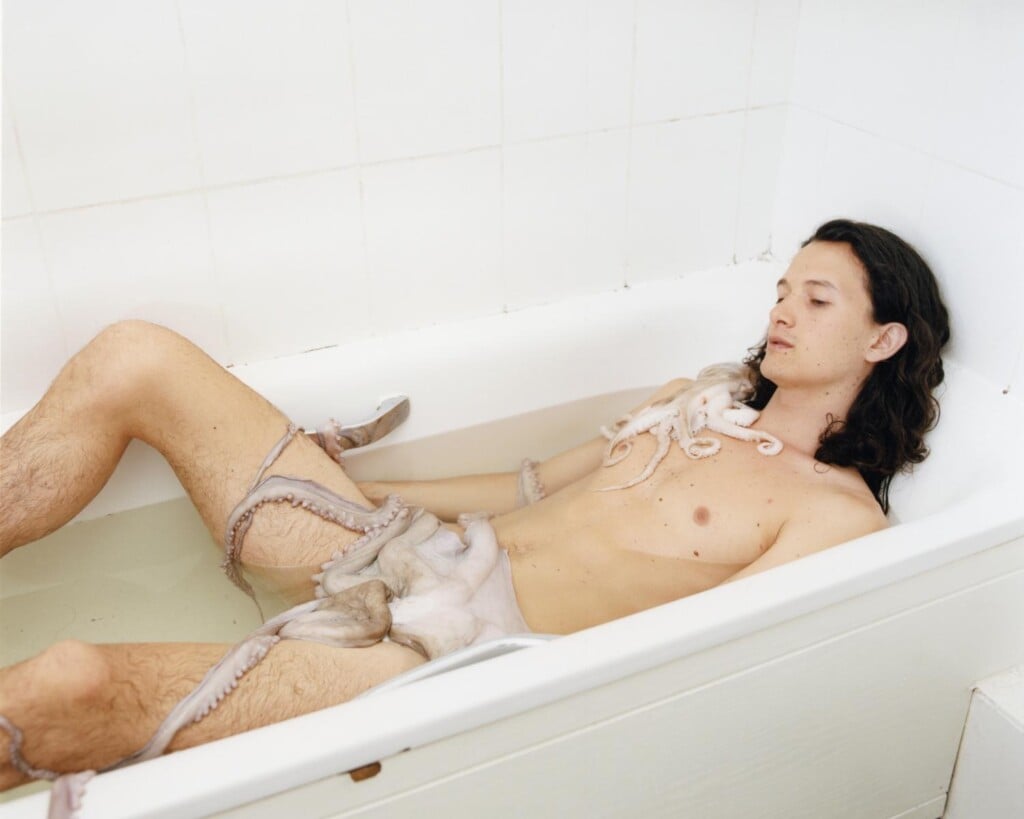
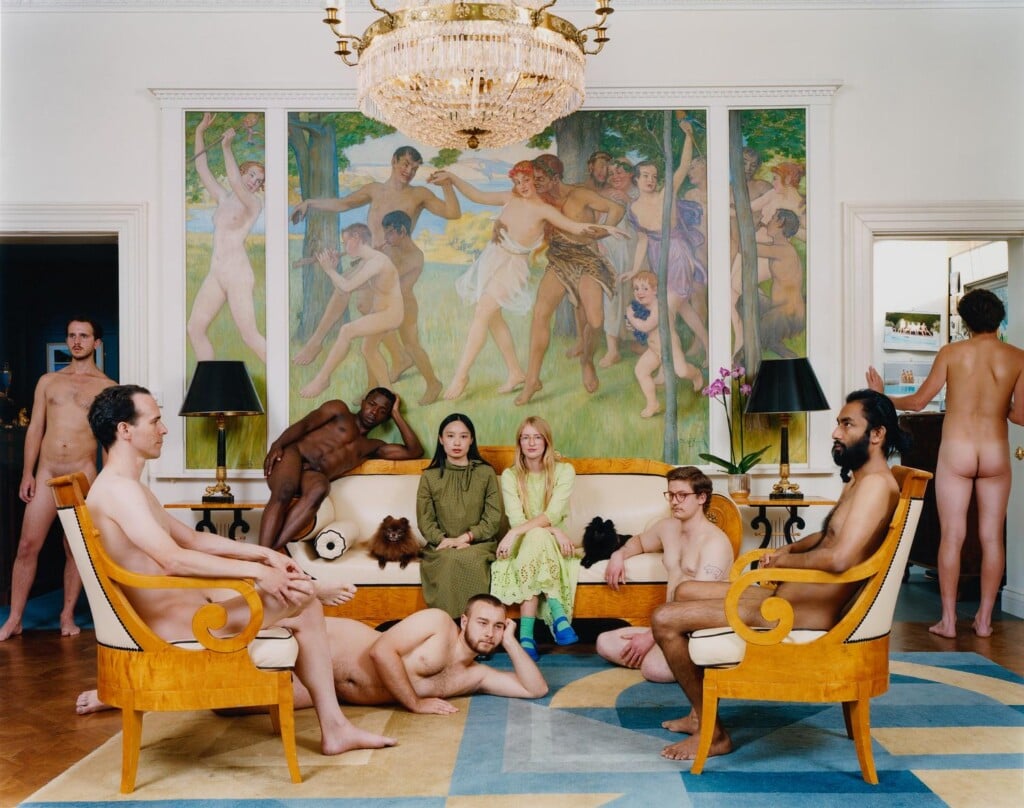
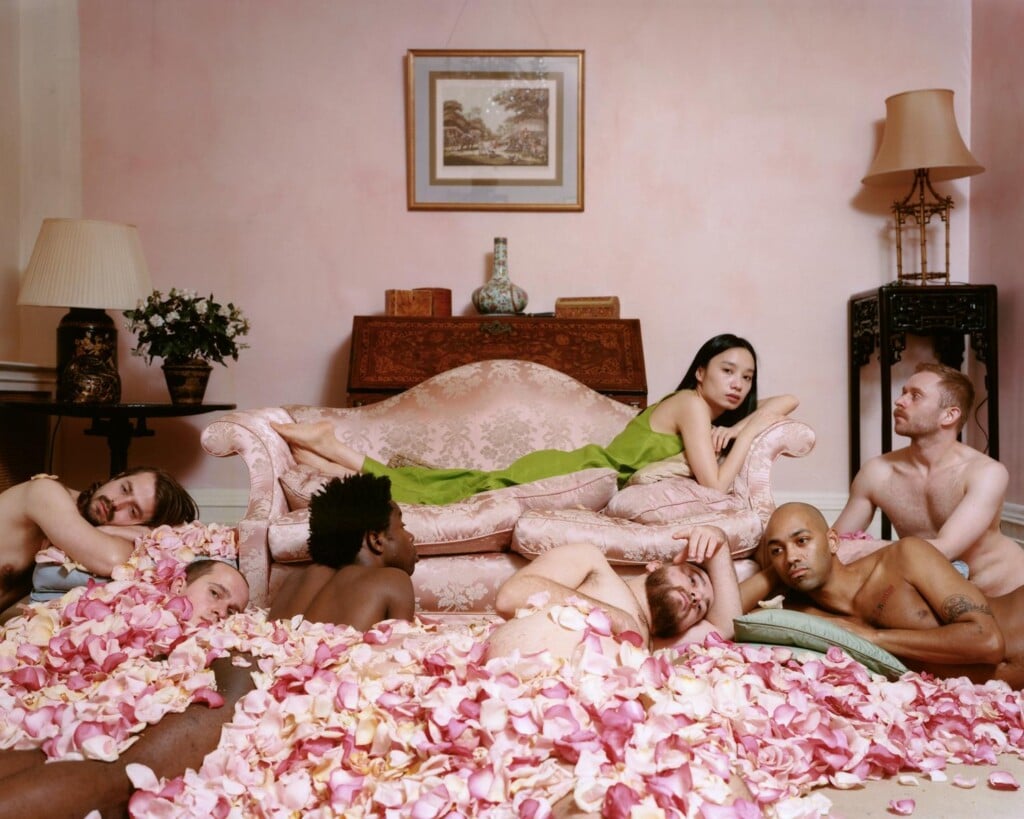
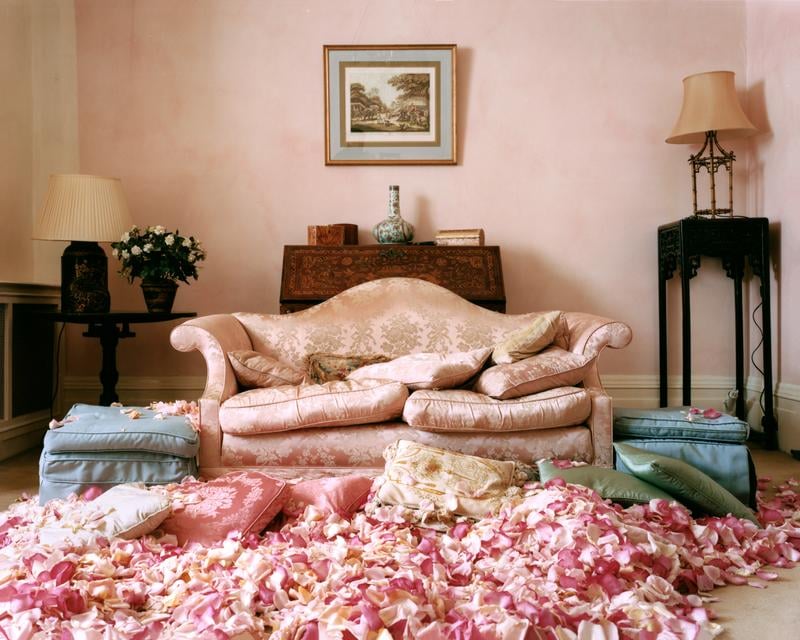
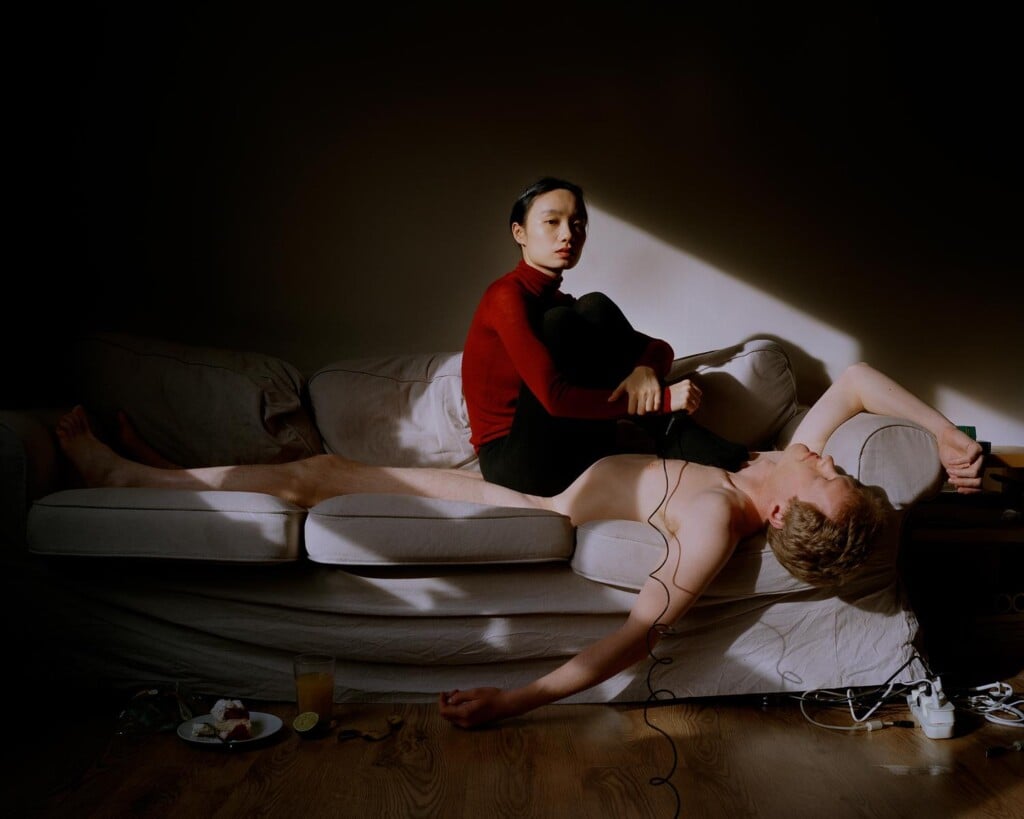
The project Paintings, Dreams and Love, begun in 2018 and still ongoing, is one of her most intense bodies of work. Here, the photographer projects her own fantasies onto the male body, questioning the way desire has been portrayed in Classical and Renaissance art. By looking at historical paintings, the artist reflects on representations of the female body and creates new images that depict it in unexpected, poetic forms.
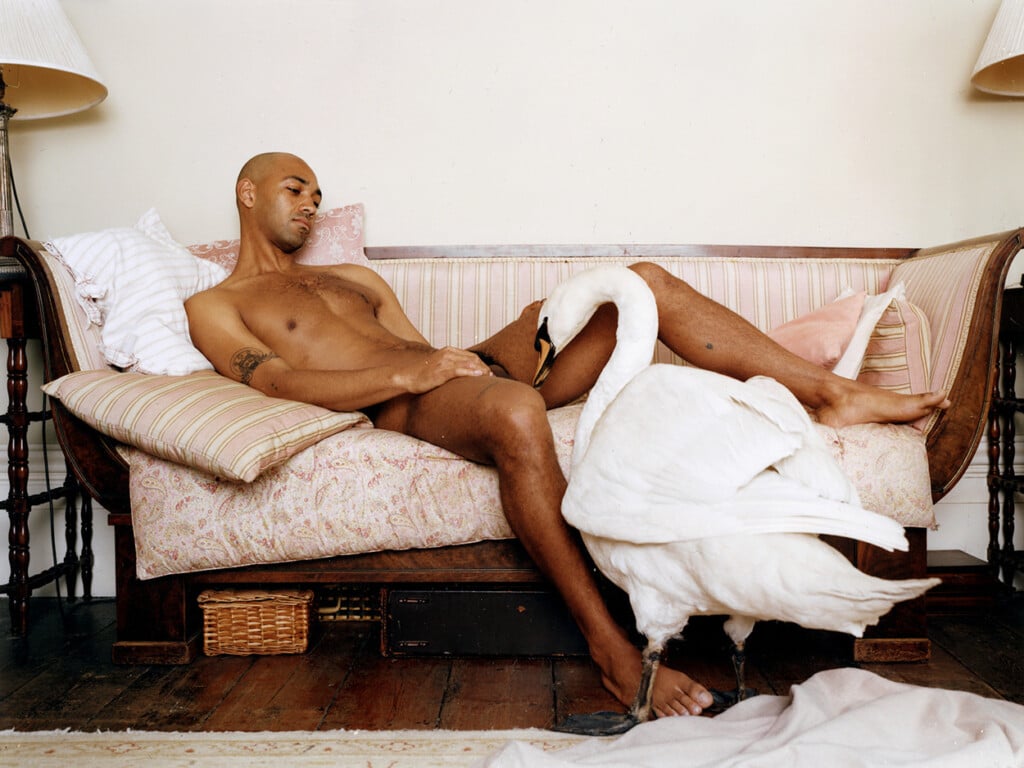
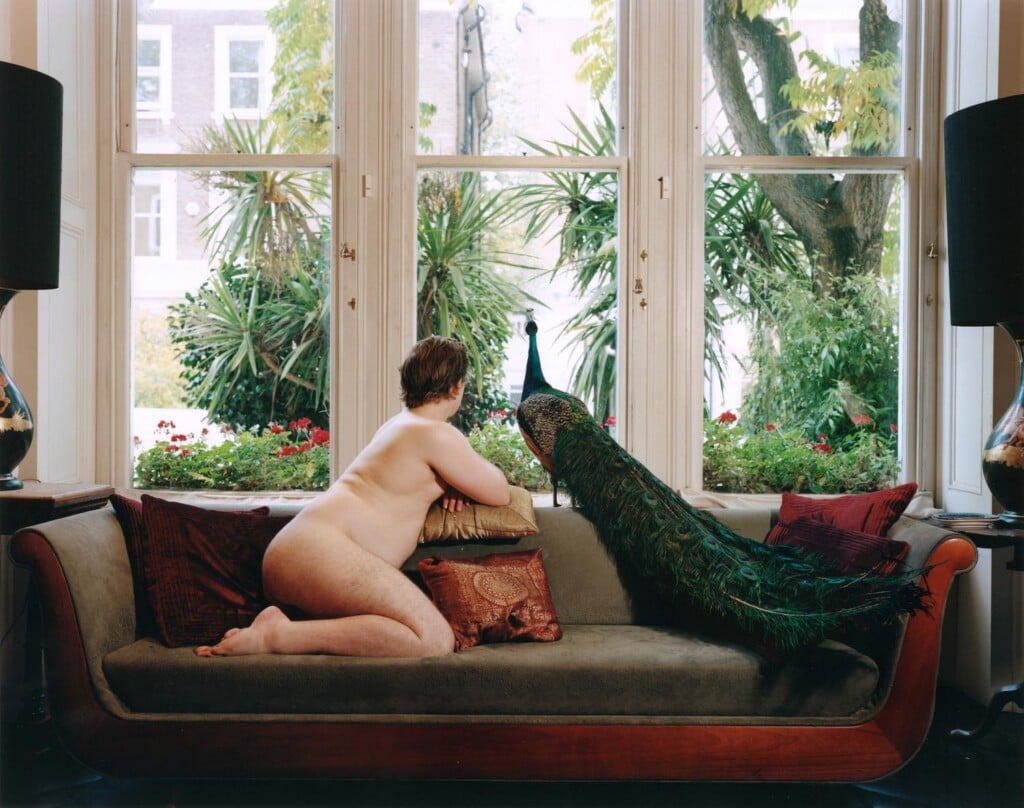
The photographs in this project are not simple quotations of paintings, but deep reinterpretations: male figures—often set within fantastical scenarios or accompanied by animals—become active protagonists within the image. In her work, Yushi Li takes on a central, assertive role, no longer passive as in the Classical tradition, thereby questioning the power dynamics between the observer and the observed.
In some images, such as The Dream of the Fisherwoman, the artist reworks themes drawn from ancient works, reversing roles and placing female desire at the center of the narrative. Rather than seeing the body as the object of someone else’s gaze, Li returns it as an active subject of its own desire and dream.
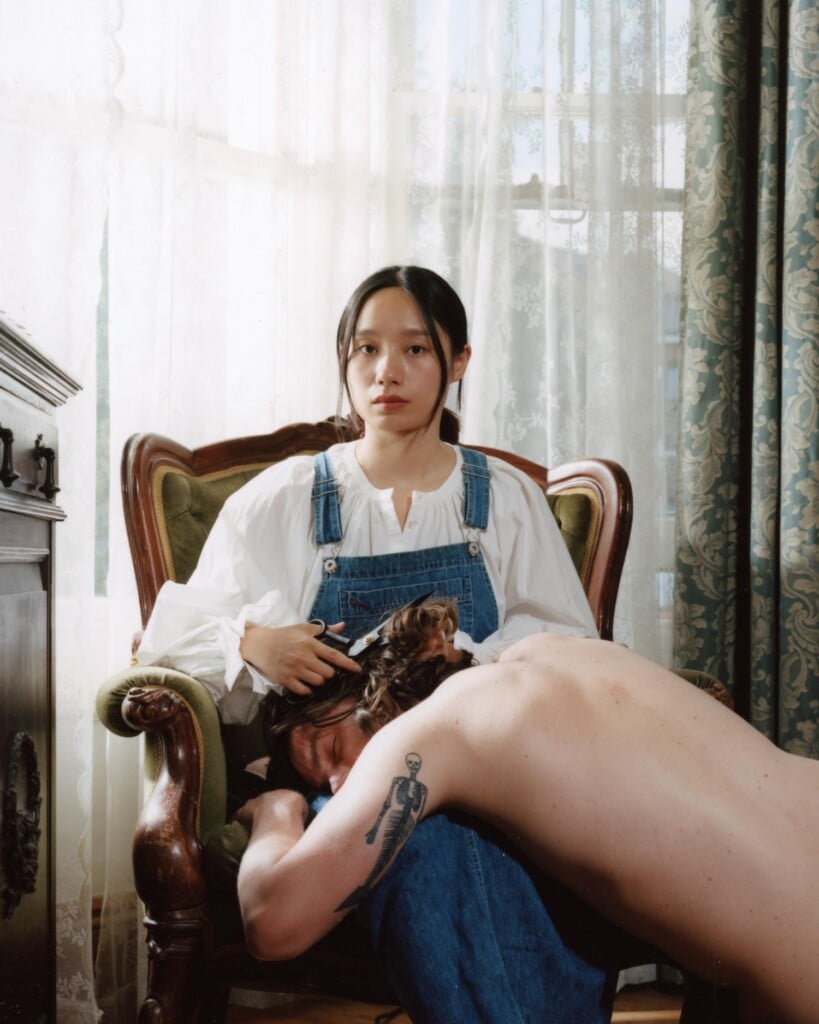
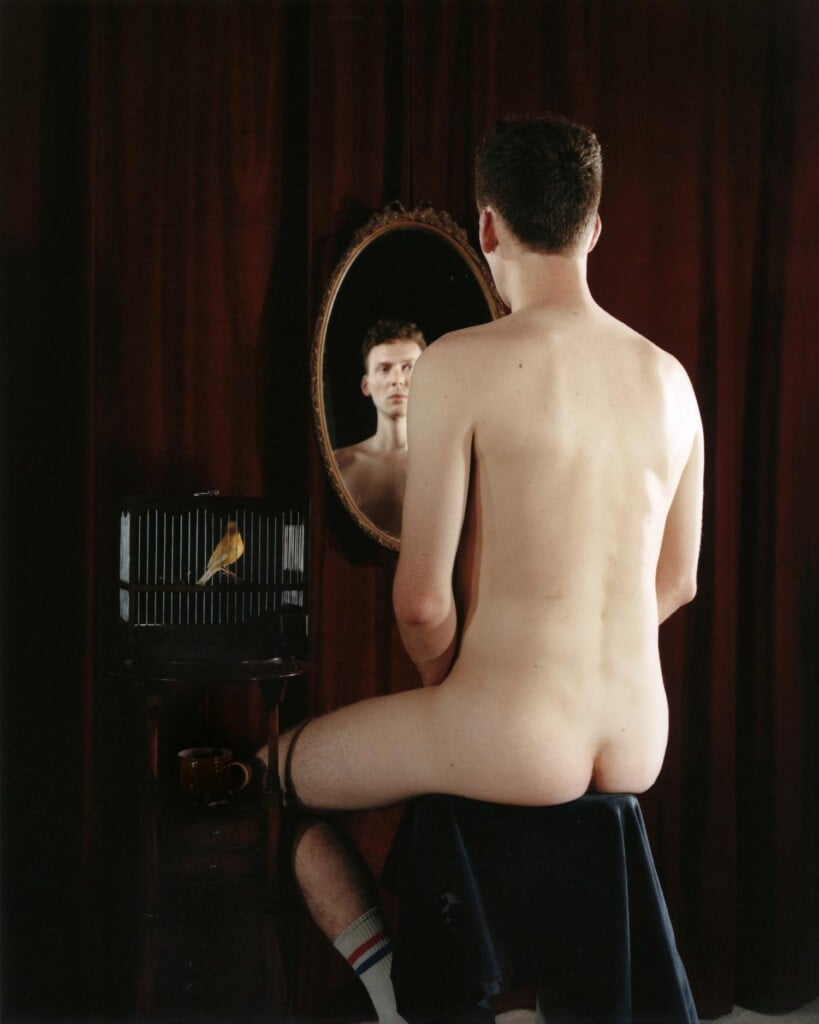
This process of reinterpretation extends to the photographs’ narrative form: symbolic animals, dreamlike settings, and figures suspended between reality and fantasy evoke the unconscious, transforming the viewer’s gaze. References to mythology, Renaissance painting, or historical erotic scenes become tools for exploring how desire is constructed, represented, and perceived.
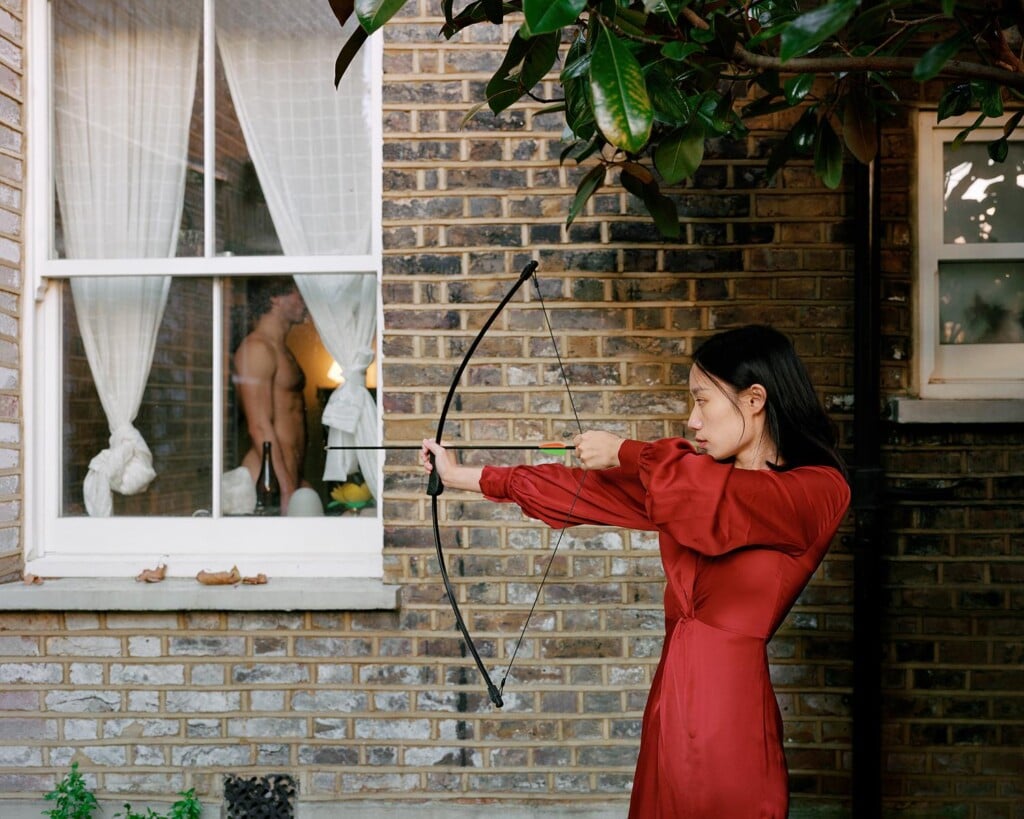
The series has garnered international attention and was also exhibited as part of Foam Talent 2022, which highlights some of the most original work in contemporary photography. In Paintings, Dreams and Love, Yushi Li doesn’t simply produce beautiful or enigmatic images: she confronts the historical gaze on eroticism with a contemporary one, shifting the balance from the male gaze to the female gaze—prompting the audience to question how we desire, and who holds the power to look.
This article was produced in collaboration with Luigi Falanga and Gaia Forlin aka @super8otto.