For years, the fashion world — along with all of us — has lived through a true “sneaker mania.” Endless lines outside stores, exclusive drops, record-breaking reselling platforms. In just over a decade, sneakers have become symbols of status, cultural belonging, and even investment. But now, something may be changing, and attention seems to be slowly shifting toward something else.
The sneaker boom and the reselling phenomenon
Although sneakers first appeared on the runway in 1996 during a Prada show — and basketball fans were already craving the latest Jordan model thirty years ago — we can say that sneakers became a global phenomenon starting in the 2010s.
There are many reasons, and none less important than the others. On one side, collaborations with luxury brands elevated them, distancing them from the sports world and placing them on the feet of models, celebrities, and eventually influencers. On the other, major brands like Nike, adidas, and Jordan adopted a business model that focused not so much on quality but on exclusivity, driving people to desire products that only a few could obtain. We all know someone who set alarms and reminders for the drop of a new Dunk, Jordan, or the latest Yeezy release.
And so, about ten years ago, we witnessed an almost surreal rise. Sneaker prices skyrocketed, fueled by the booming reselling market. The right pair could fetch tens of thousands of euros — not to mention historic ones worn by Michael Jordan, auctioned by Sotheby’s alongside works by Magritte or Warhol.
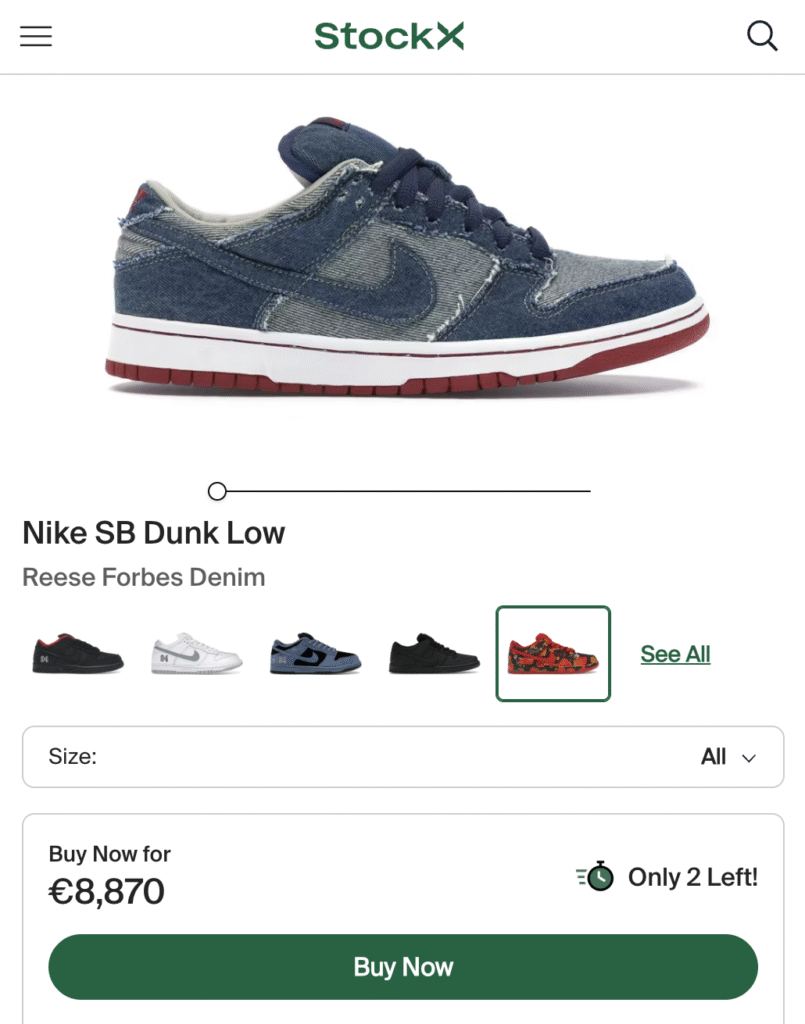
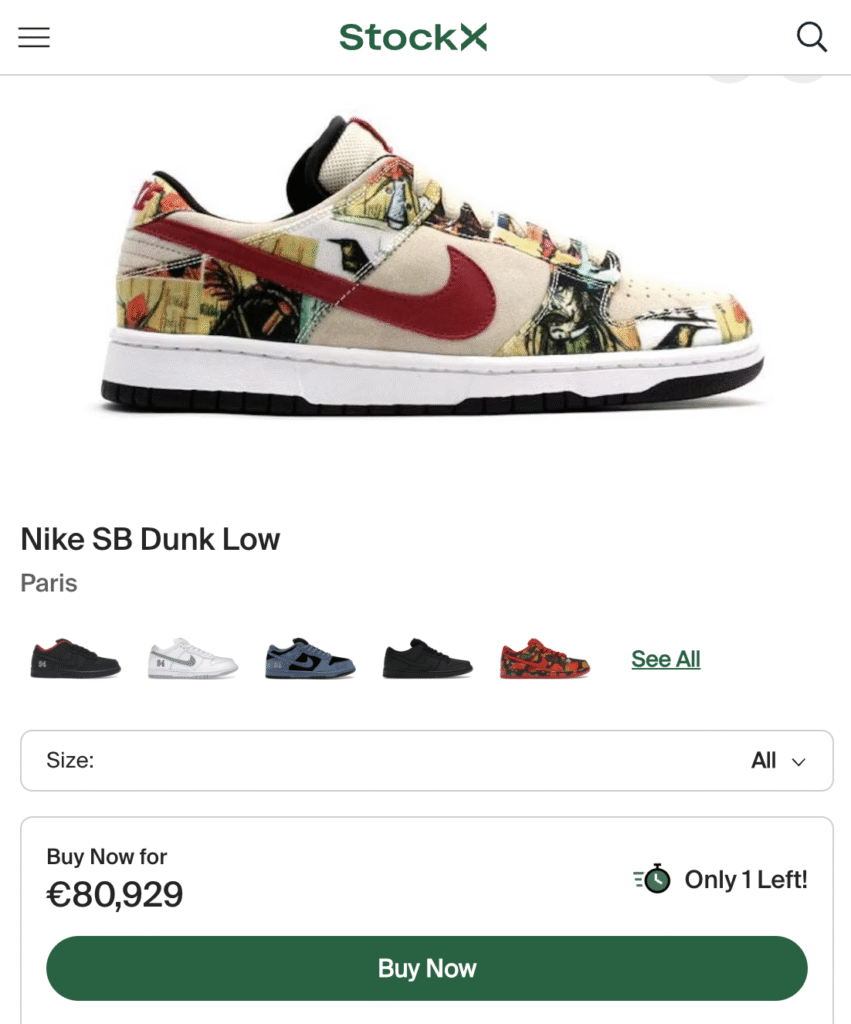
In just a few years, sneakers went from being a secondary accessory to becoming collector’s items — not meant to be worn, but displayed or carefully stored in their original boxes.
However, in recent years, things have changed, and like every trend that becomes mainstream, this one also started showing the first signs of saturation.
In February 2024, BoF published an article titled “The Sneaker Resale Market Is Broken,” highlighting how reselling platforms like StockX and GOAT began diversifying their offerings to survive a shifting market — while smaller platforms like Restocks and Kikikickz shut down entirely. BoF also noted how Nike and adidas have gradually abandoned the scarcity model to keep up with new competitors like Salomon, On, and New Balance, who have always made their products easily available to everyone.
Some may argue that this declining interest — reflected in the drop in reselling sales — is also due to reduced purchasing power: people are simply no longer willing to spend hundreds or thousands of euros on a pair of shoes.
And yet, there’s a “yet.”
Design objects: a new obsession
What we can see is that another market is steadily rising — and perhaps not so slowly: the design market. More specifically, product design.
You might be wondering what — if any — connection exists between sneakers and product design. At first glance, none. But if we pause and look closer, the parallels start to emerge — and they’re many.
For those unfamiliar, product design is the discipline focused on conceiving, designing, and developing objects for industrial or artisanal production. When we talk about how comfortable a chair is — that’s product design. How a lamp lights up a space — that’s product design. The shape and color of an ashtray — product design. How an iPhone fits in your hand — product design. Remember when your teachers said everything around you was math? It’s kind of the same thing with product design.
Now, back to our story: what happened to sneakers — from niche product to mainstream — is now happening with product design.
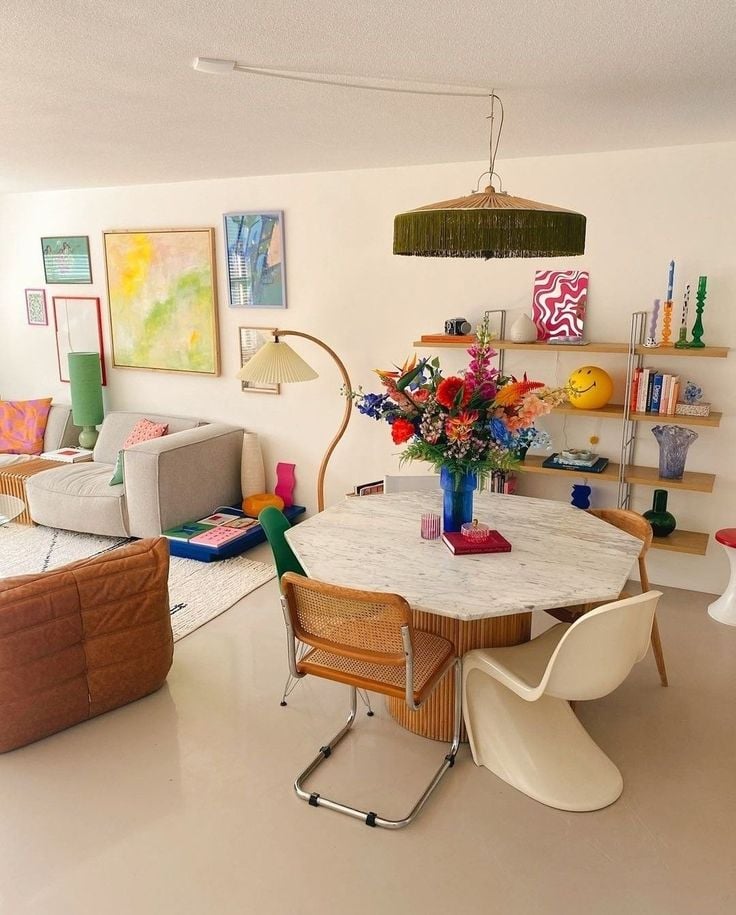
It always starts with iconic pieces. And so, we’re all searching for an Artemide Nessino lamp for our bedrooms, dreaming of the Flos Arco lamp for our living rooms, squeezing oranges with Philippe Starck’s Alessi juicer, and keeping a Kartell Componibili next to our bed. We want to wake up to Ettore Sottsass’ Ultrafragola mirror and end the night watching a movie on a Togo sofa.
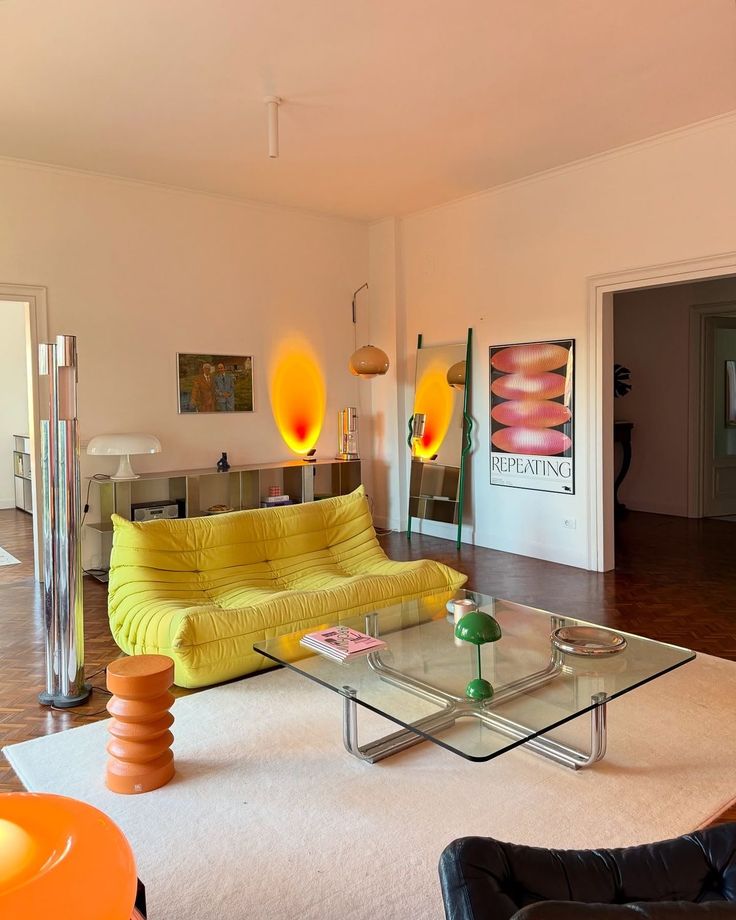
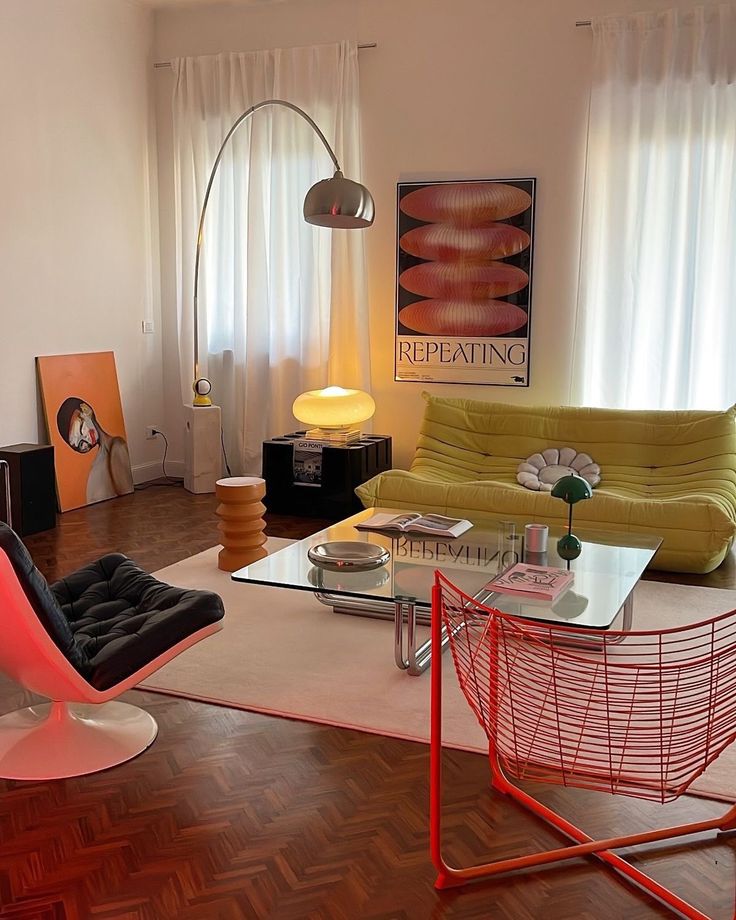
This new trend hasn’t gone unnoticed. Just like with sneakers, luxury brands have recognized its potential and started investing in it.
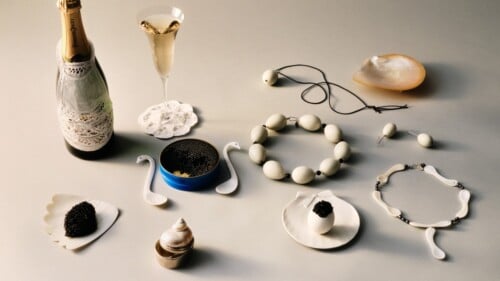
So, beyond fashion, many luxury houses now have dedicated home decor lines — from Armani/Casa to Fendi Casa, from Etro Home to Zegna. The growing relevance of Milan Design Week — now arguably more influential than Fashion Week — is another sign. Fashion brands participate, and products become immersive experiences, crafted to be photographed and shared. In short, the same dynamics as the fashion system, but applied to living spaces.
Another mechanism once used to boost sneaker value — now increasingly seen in design — is collaboration. Dior x Air Jordan 1, adidas x Gucci, Air Force 1 x Louis Vuitton have given way to Dior x Philippe Starck, Etro x Ginori 1735, Acerbis x Gucci.
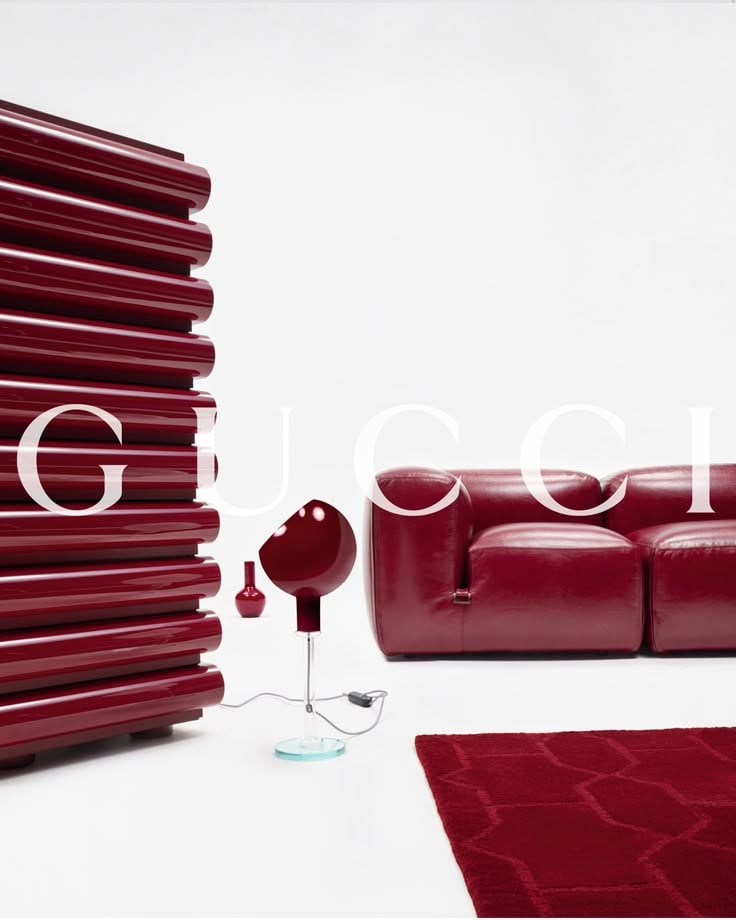
This trend of collaboration has also brought in mass-market design giants.
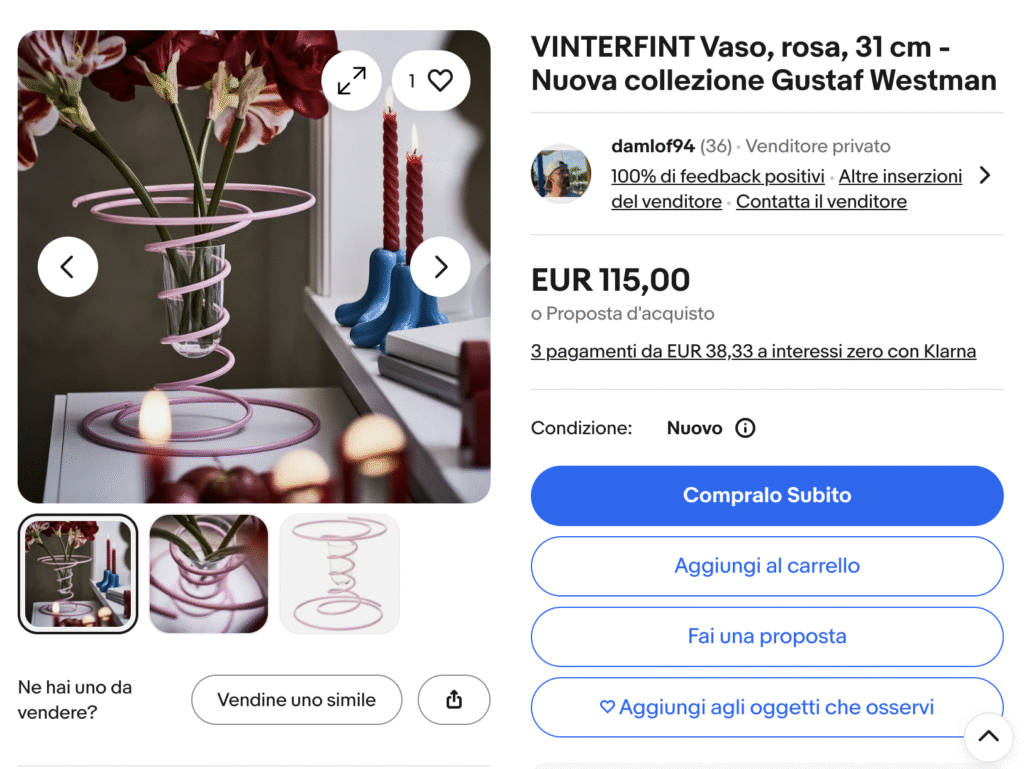
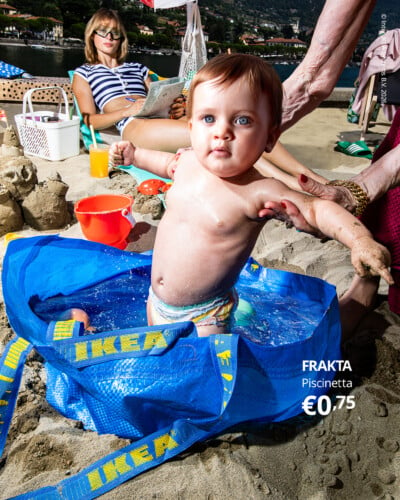
We no longer wait for the next Nike x Tom Sachs drop — but for lamps and plates from the IKEA x Gustav Westman collection.
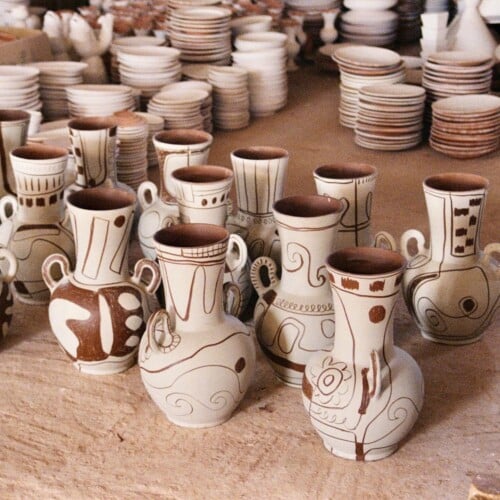
And once again, as with sneakers, around the official retailers, a thriving secondary market is emerging. Platforms like Pamono, The RealReal, and 1stDibs are seeing exponential growth in collectors and resellers. A Gaetano Pesce table or a Gio Ponti chair can now command staggering prices, especially if limited edition or out of production.
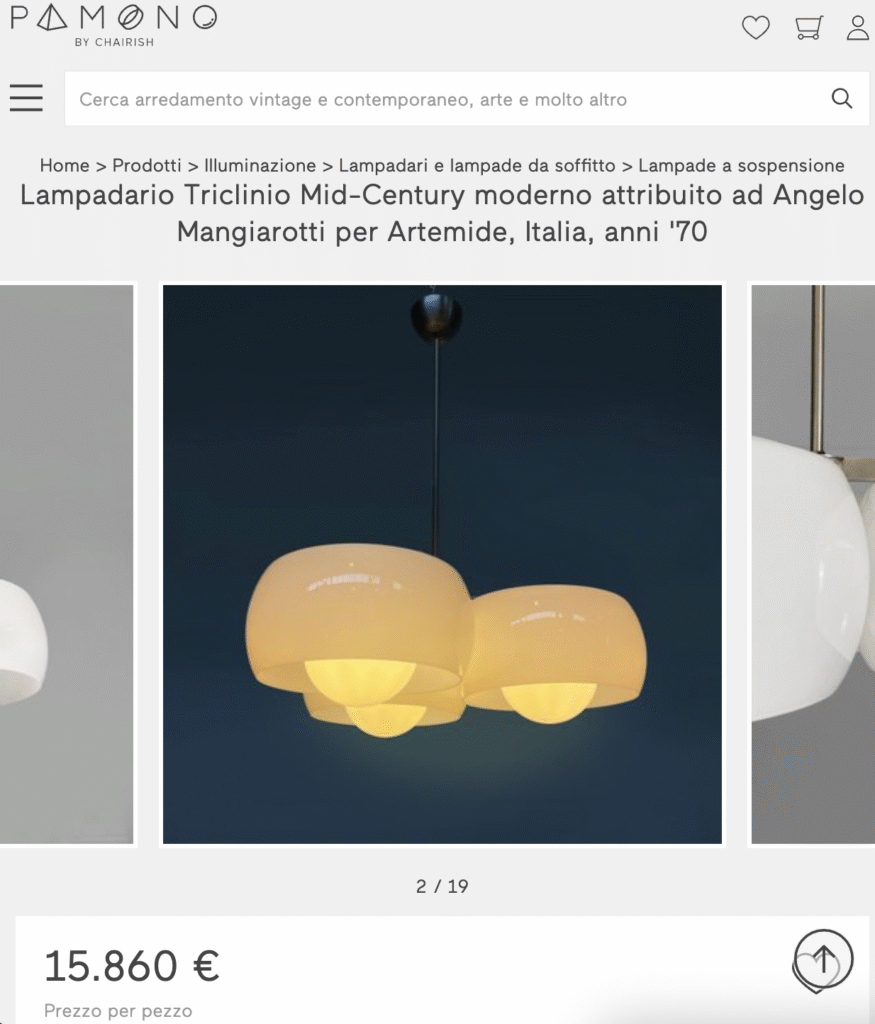
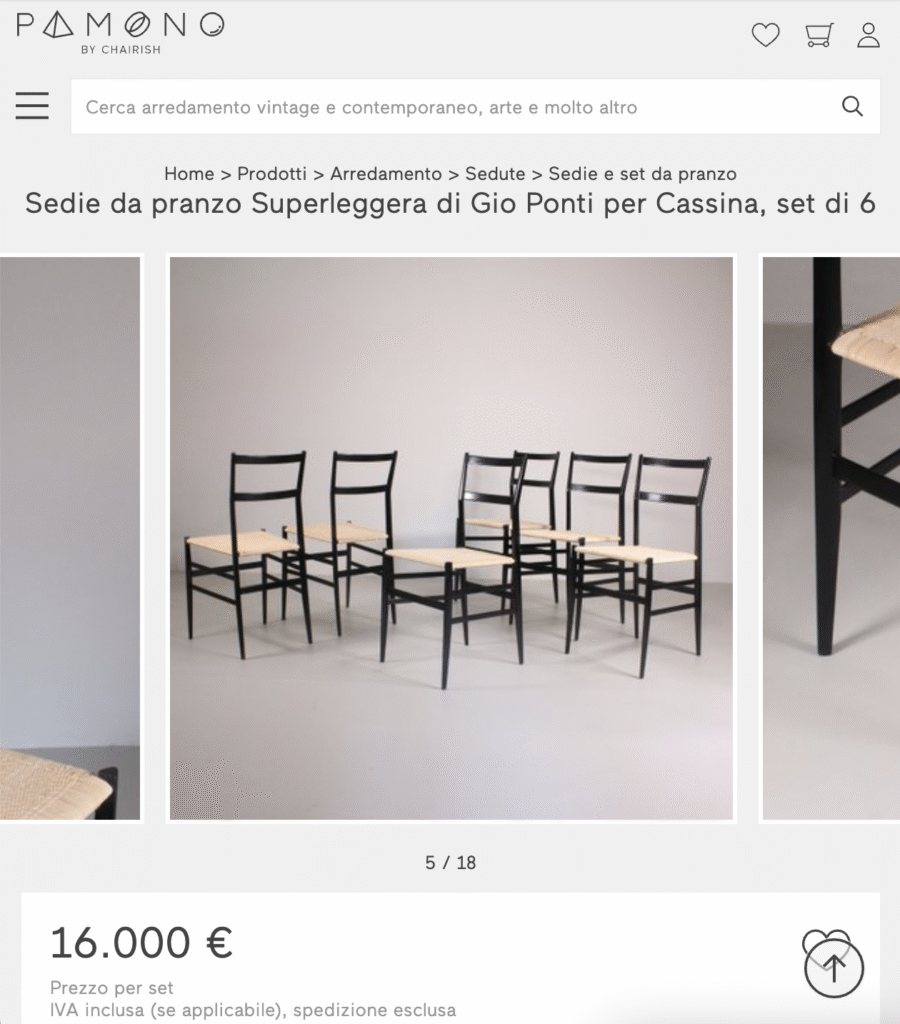
Now, all the attention is on design objects — which, like sneakers, have become symbols of status, cultural identity, and investment.
Sneakers represented a form of personal expression and, in some cases, a way to access a form of luxury otherwise out of reach. Today, design plays that same role — seemingly private and domestic, yet always ready to be shared. Perhaps the future won’t be about collections to wear, but about spaces to live in. Or maybe, someday, we’ll tire of product design too — and, surrounded by expensive objects, we’ll simply crave something else.