There’s a river in the northwest of Cornwall that flows slow and murky, like a wound that has never quite healed. It’s called the Red River, and it owes its color to traces of tin that for centuries ran through the valley, leaving behind the marks of an industry now vanished. It’s here that British photographer Jem Southam built one of the most fascinating and complex bodies of work in contemporary English photography: The Red River, on view at Huxley-Parlour in London until November 22, 2025.
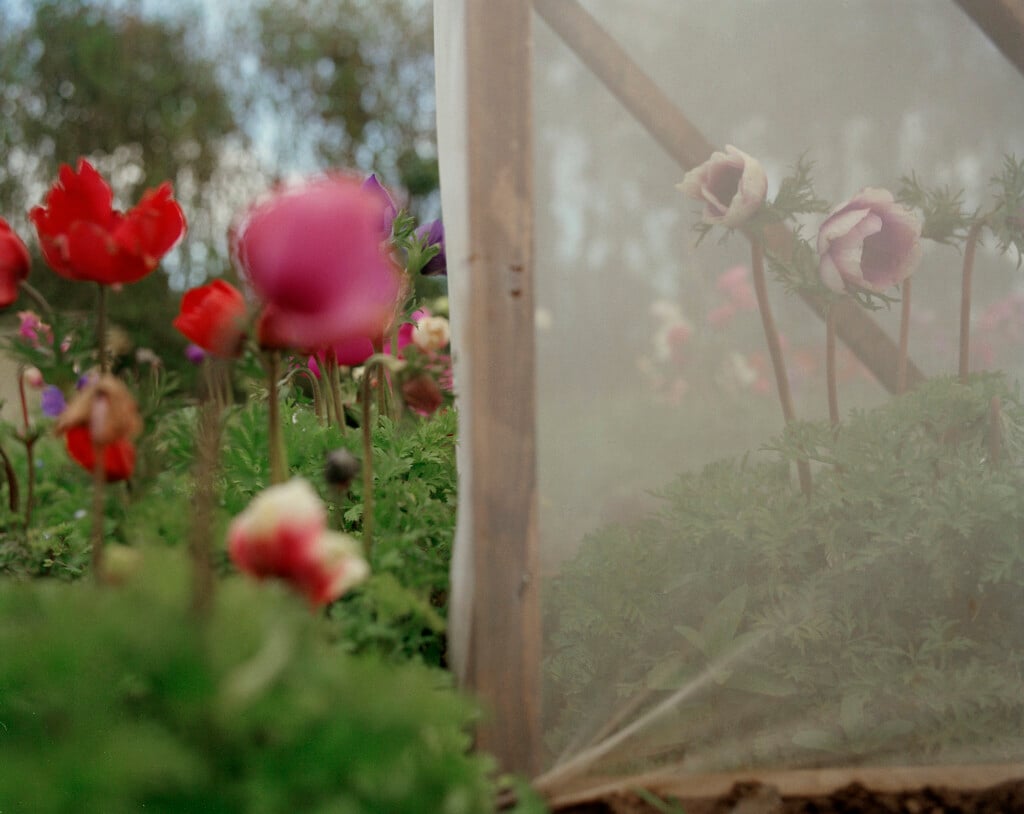
Created between the 1980s and 1990s, the project follows the river’s course from its source to the sea, telling the story of a landscape in metamorphosis, suspended between ruin and rebirth. Southam observes industrial remains crumbling beneath vegetation — traces of a past slowly blending back into nature, in a fragile and melancholic balance. It is a landscape both built and abandoned, where the history of humankind and that of the land intertwine until they become indistinguishable.


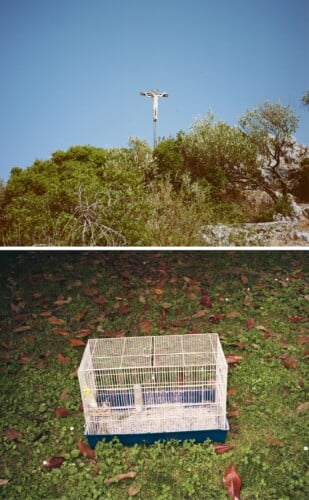
With The Red River, Southam also introduced a new way of seeing the landscape: for the first time, he worked in color, at a moment when British photography was still largely rooted in black and white. His images alternate between unusual perspectives and radical compositions, and more traditional views that evoke English Romantic painting and its tensions between nature and spirit. His vision moves between documentation and mythology, between geology and literature. The photographs seem to contain centuries of stories within them — from carboniferous granite to medieval legends, from mining ruins to the biblical narratives that inspired the series.


It’s no coincidence that Southam turned to Genesis and the verses of Milton and Bunyan to shape the visual narrative of the river. In those red waters, green canopies, and stone ruins, the photographer finds the same tension between fall and redemption — between the destruction of the Earth and the possibility of renewal. Each image becomes a fragment of a universal story, a journey through time and matter.
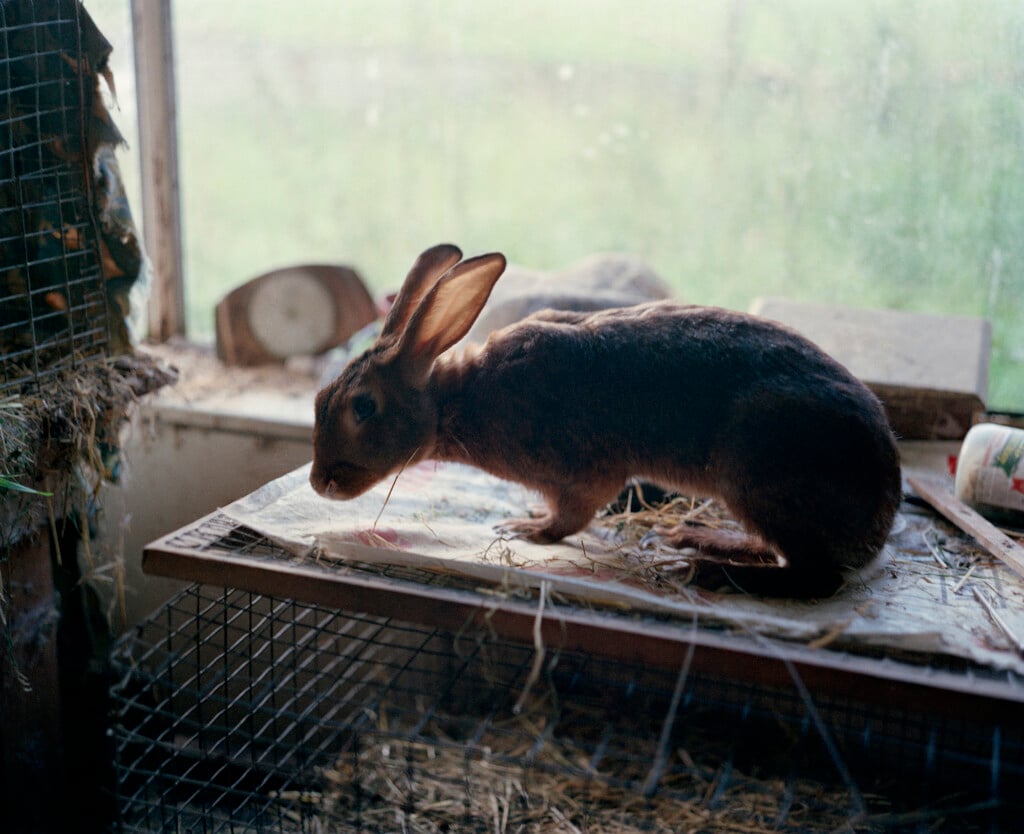

The Red River thus remains an act of listening — a meditation on the very idea of history and its layering within nature. Southam, whose work has been exhibited at the Victoria & Albert Museum, Tate St Ives, and the Photographers’ Gallery, continues with this exhibition to remind us that every landscape is a living archive — made up of memories, transformations, and invisible presences.