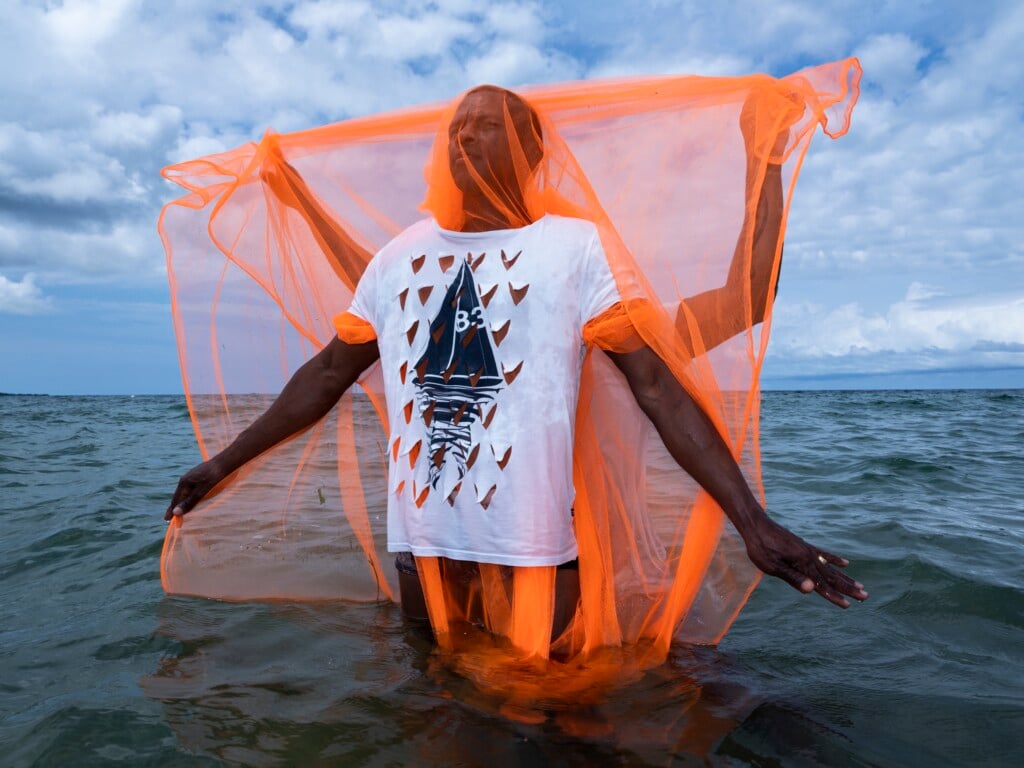
In his project El pez muere por la boca, Colombian photographer Santiago Escobar-Jaramillo captures the resilience of coastal communities living between the sea and the land. These populations, bound by centuries-old traditions of music, dance, and fishing, coexist with the constant presence of violence and drug trafficking.

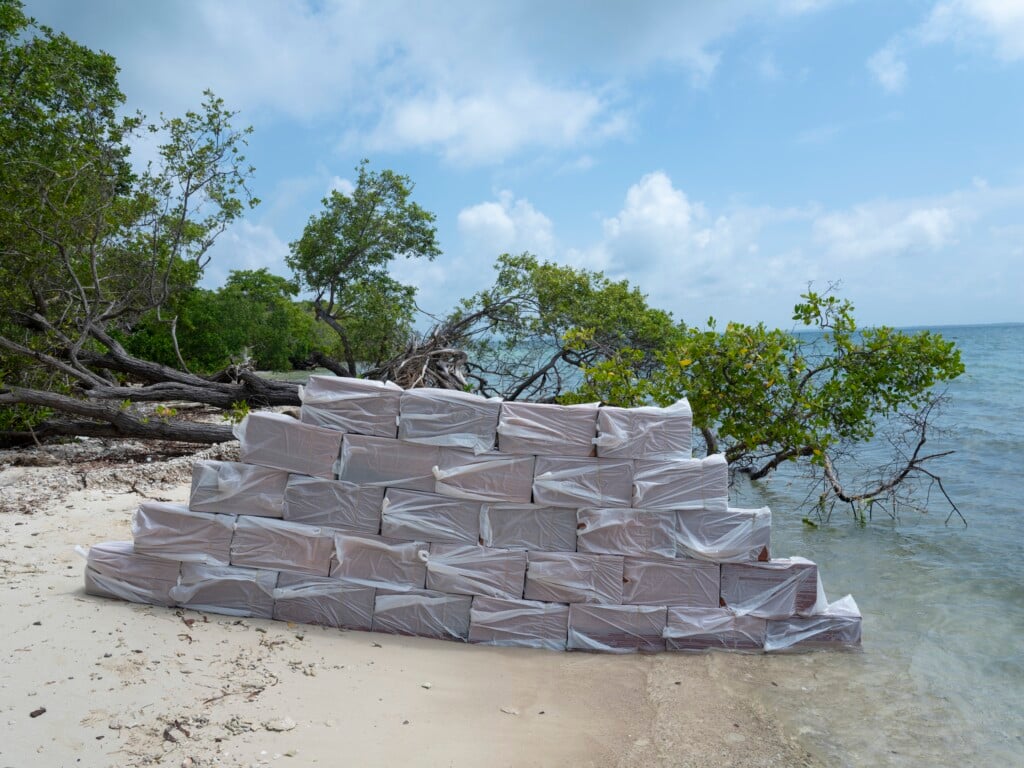
The coasts stretching from Rincón del Mar to Bahía Solano are a crossroads of cultures and illicit trade. Drug traffickers use these waters to transport narcotics, often dumping their cargo to evade the Colombian Navy. Local fishermen are then faced with a choice: succumb to the temptation of quick money or resist the pressures of organized crime.
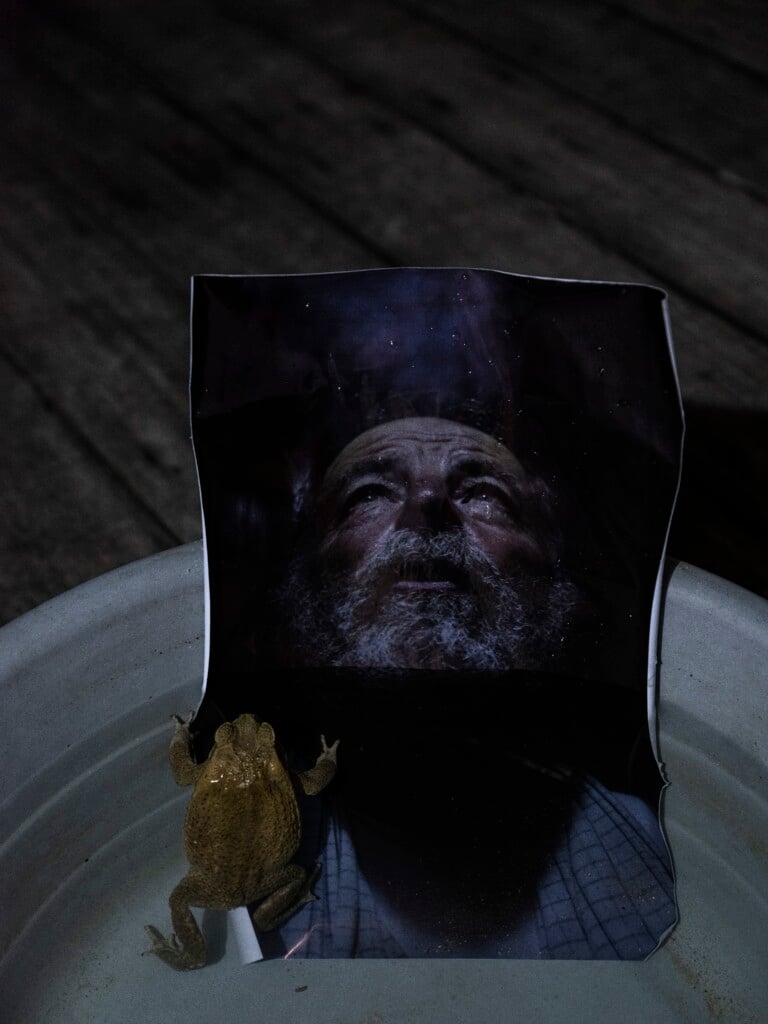
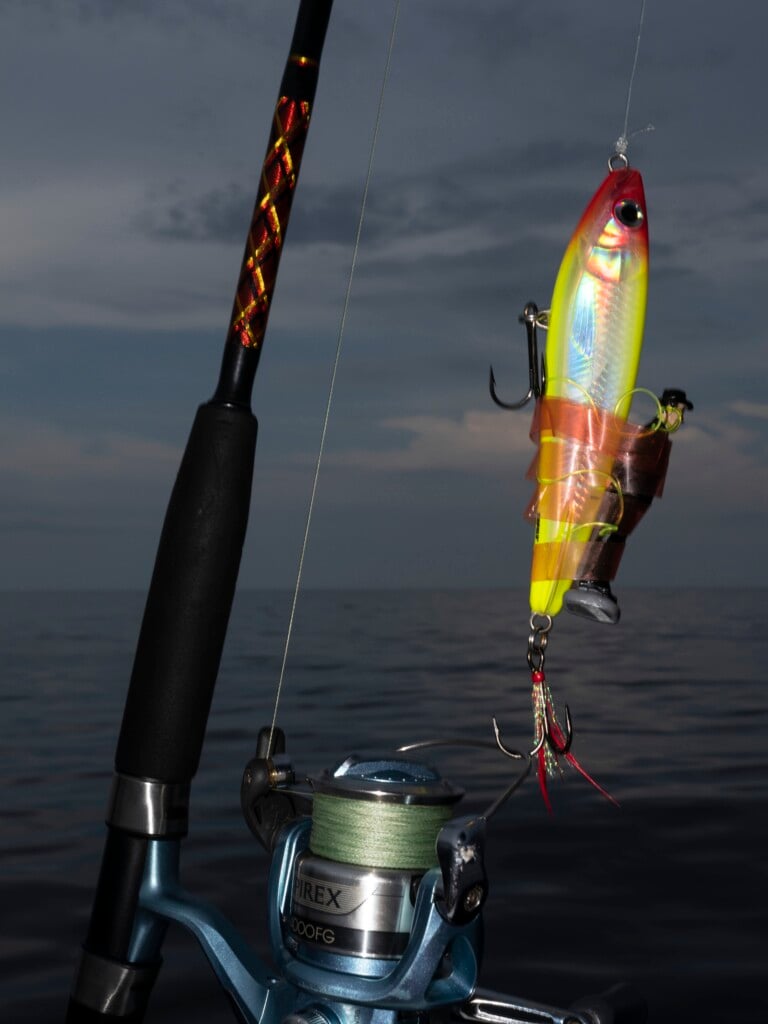
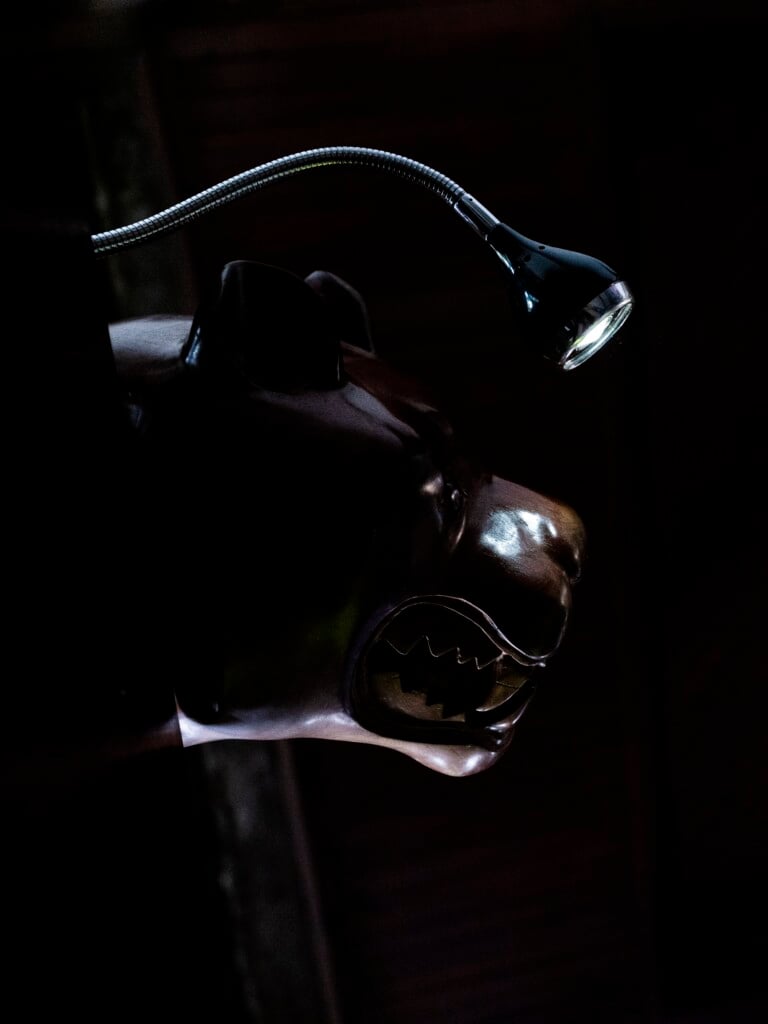
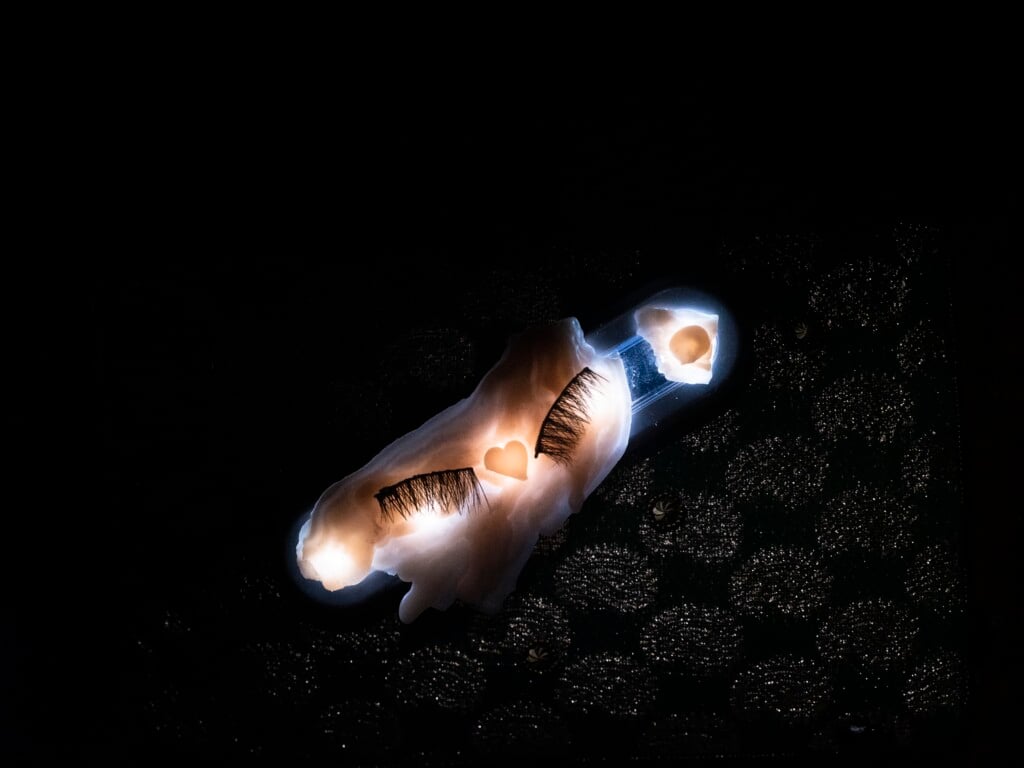
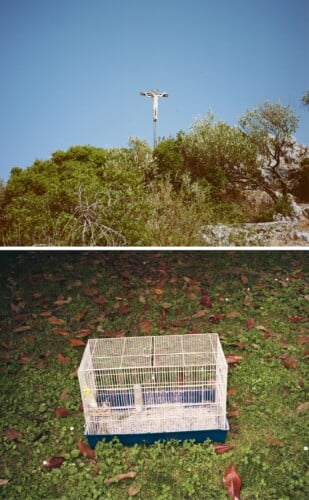
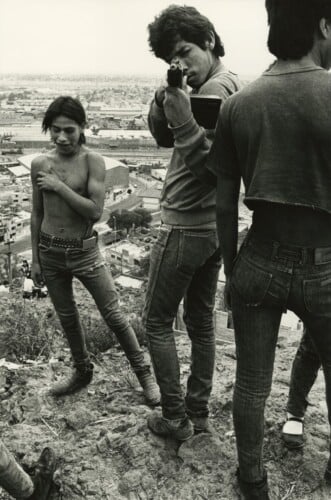
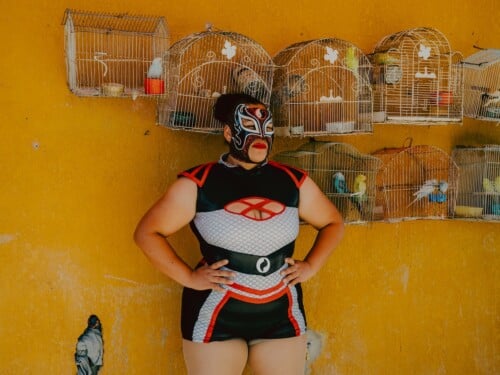
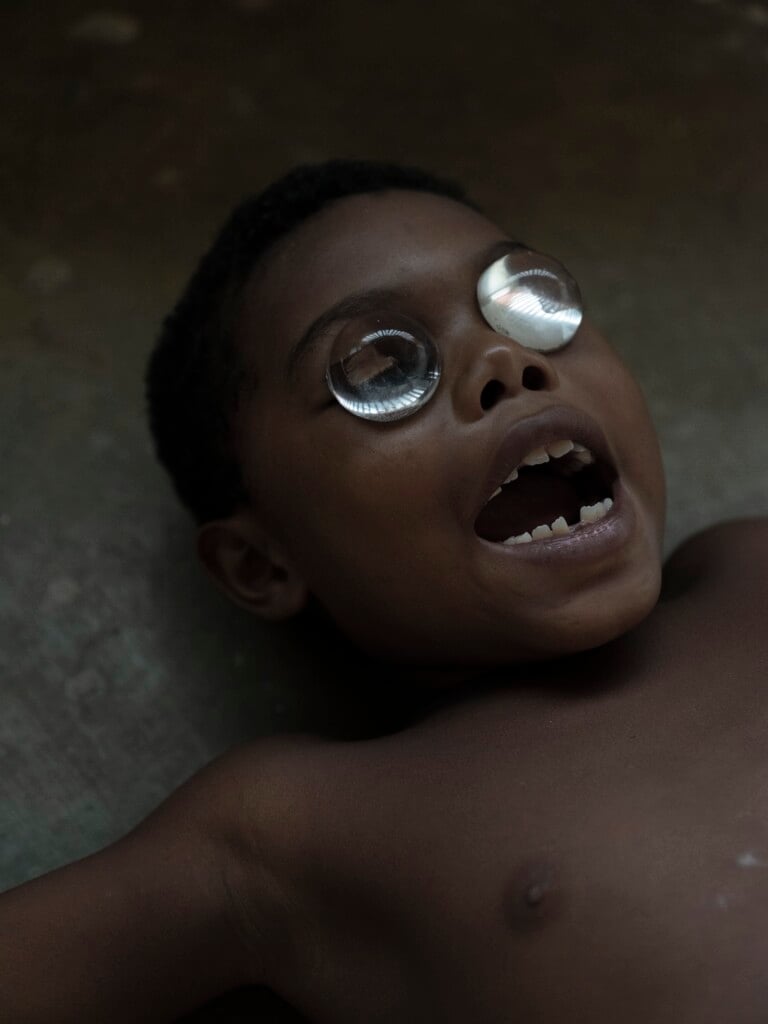
The photographic project, developed between 2016 and 2023, directly involves the inhabitants. The images depict the contrast between local traditions and the ongoing threat of drug trafficking. Through portraits, landscape interventions, and object installations, the photographer reveals a reality precariously balanced between legality and prohibition.

Escobar-Jaramillo has been visiting Rincón del Mar since childhood, forging friendships that were suspended for a decade due to the presence of paramilitary groups. Since 2012, he has resumed photographing Federico Martínez and Deivis Vecino Altamar, documenting their daily lives between fishing and their struggle against drug trafficking.

El pez muere por la boca is a performative and multimedia project. The images, created using mixed techniques—ranging from medium format photography and instant shots to animated GIFs—are later subjected to artistic interventions with metal plates, inks, and emulsions. This approach reflects the fragmented nature of memory and the lived reality of these communities. Escobar-Jaramillo’s work fits into a broader debate. The war on drugs has fueled violence, disproportionately affecting local communities. Colombian President Gustavo Petro has emphasized the need to end this war and build a more equitable society.
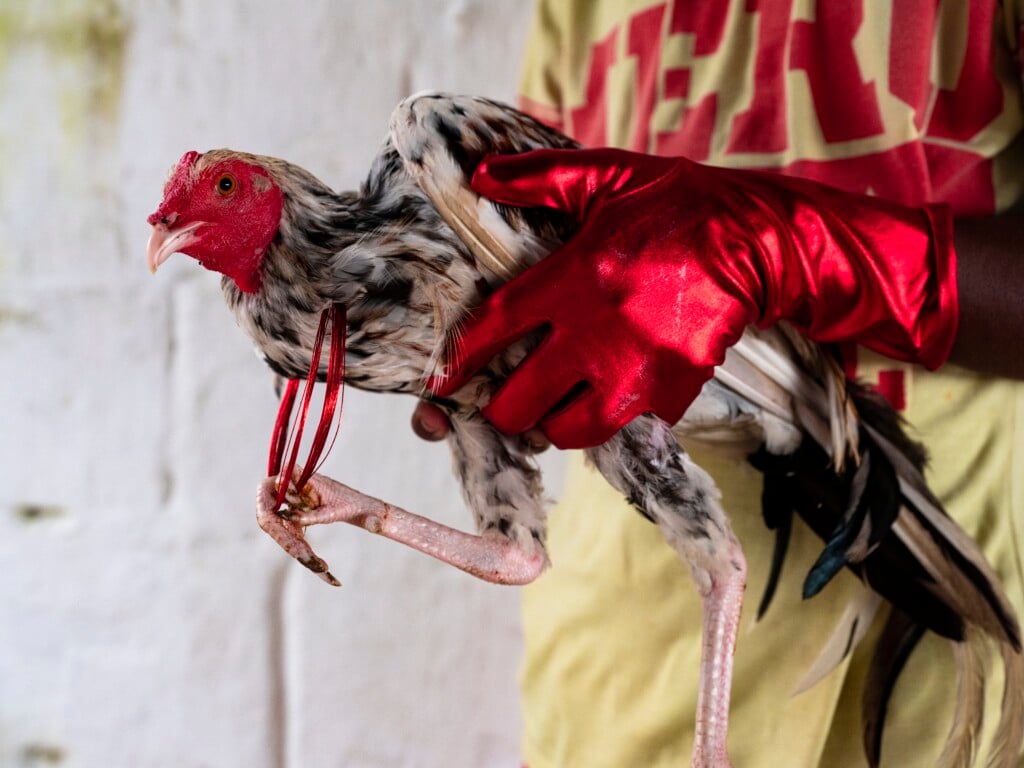
From this perspective, the project becomes not just a visual document but also an act of resistance. A way to give voice to those who live on the border between survival and illegality, between tradition and constant threat, between the sea and the land.

El pez muere por la boca has also been published as a book, which you can find here.