There are voices that cannot be silenced. Not even under the weight of war. Not even beneath the silence imposed by those who, out of fear of change, try to erase identity, memory, and art.
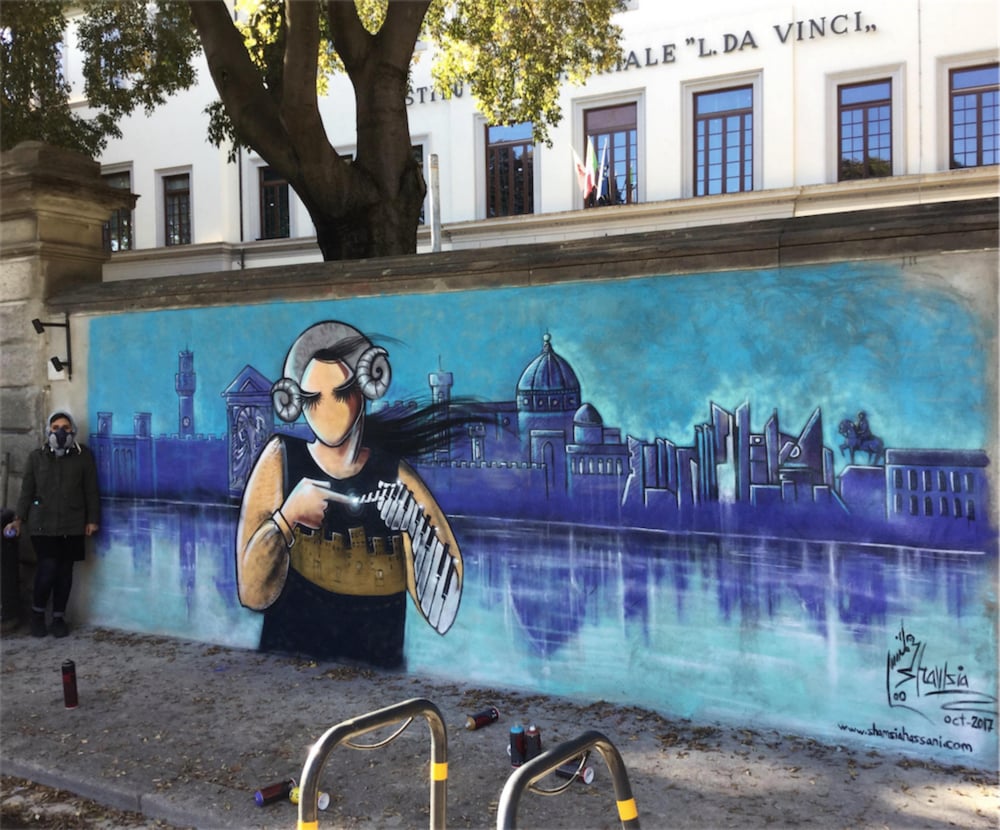
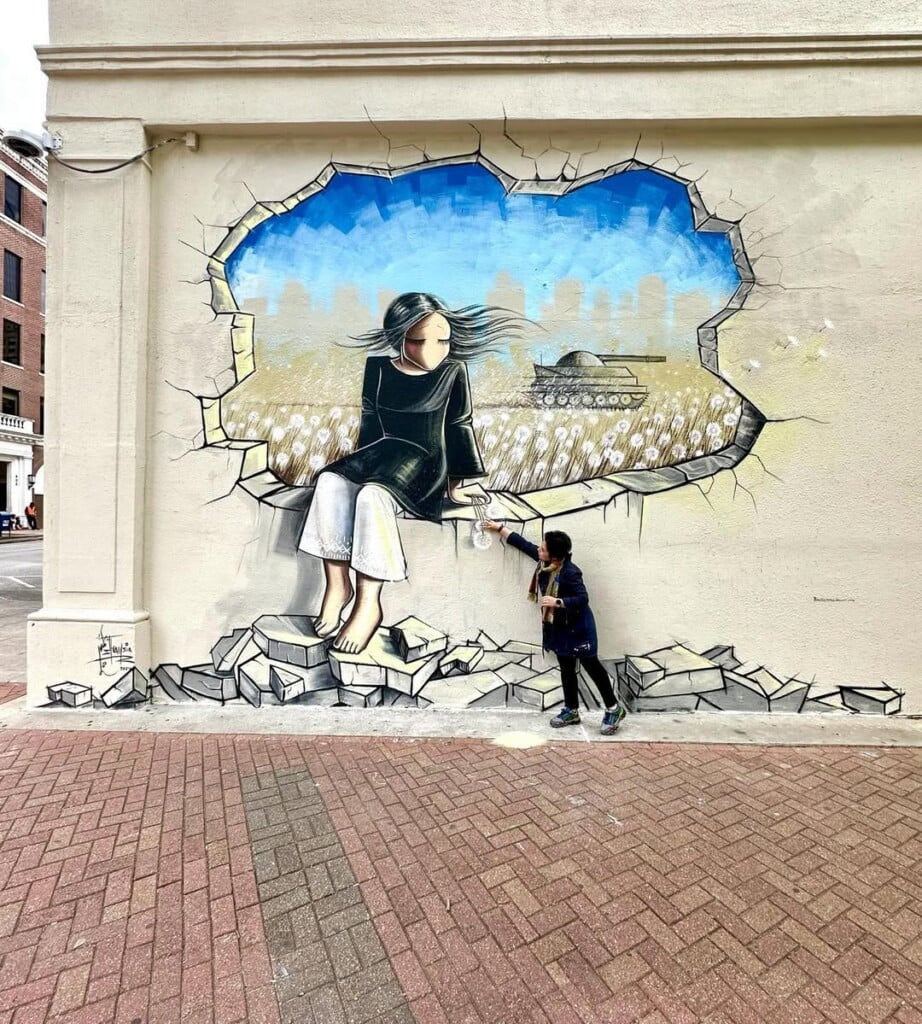
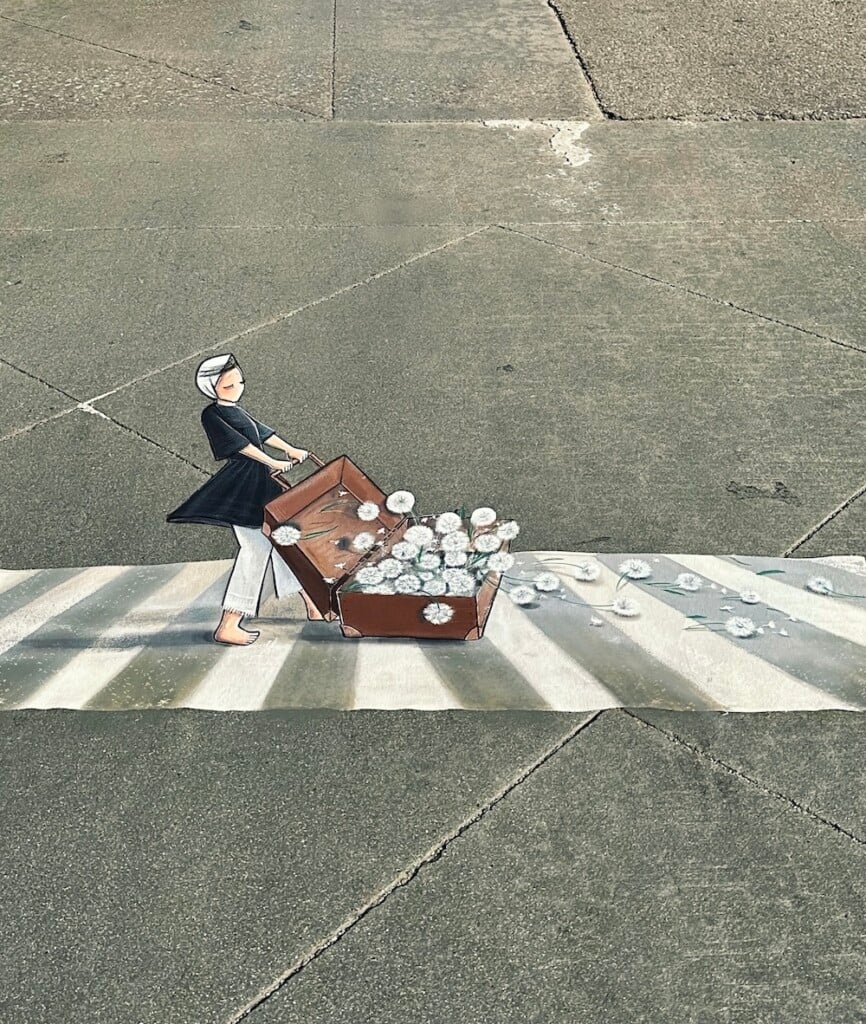
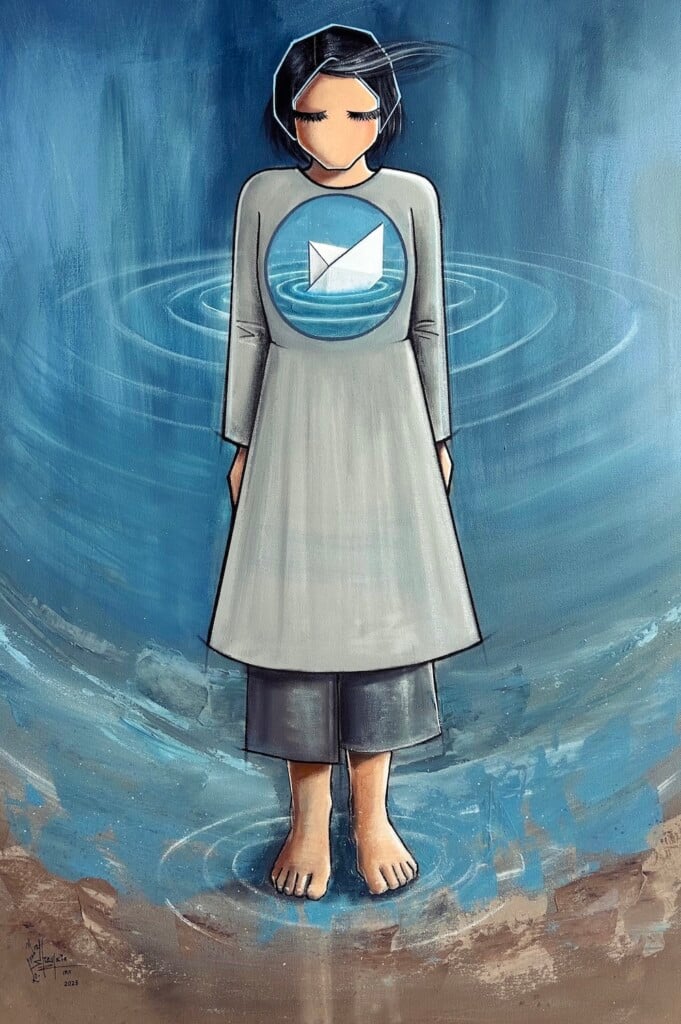
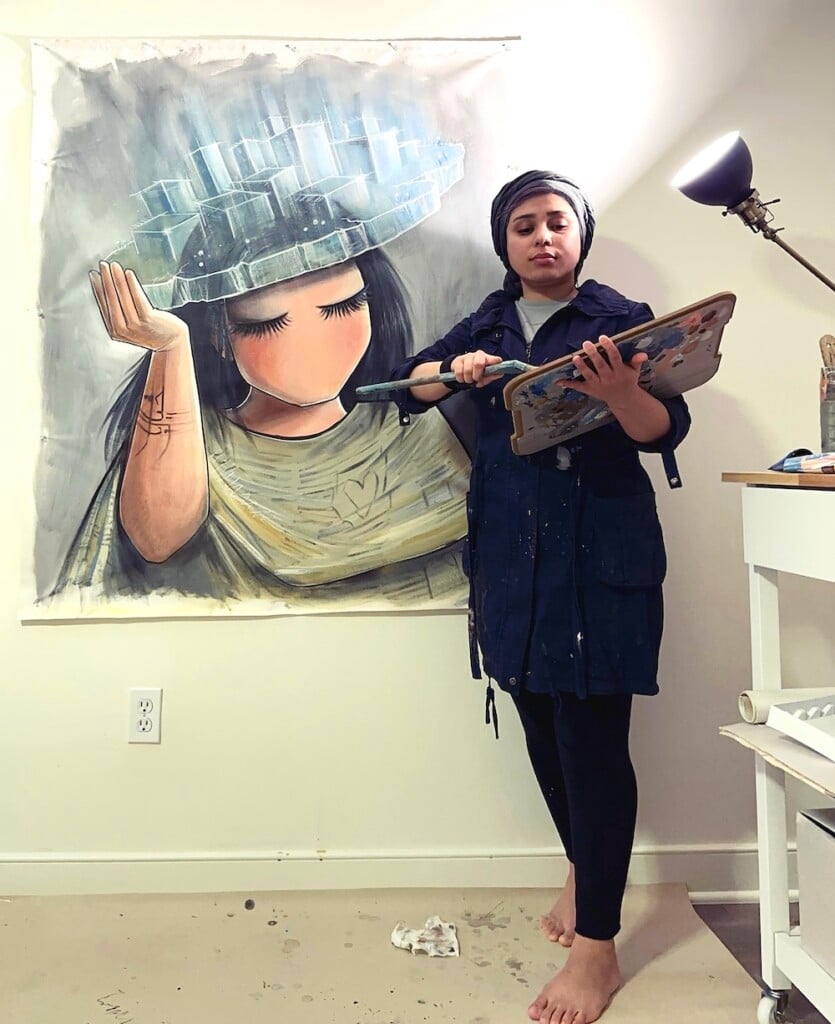
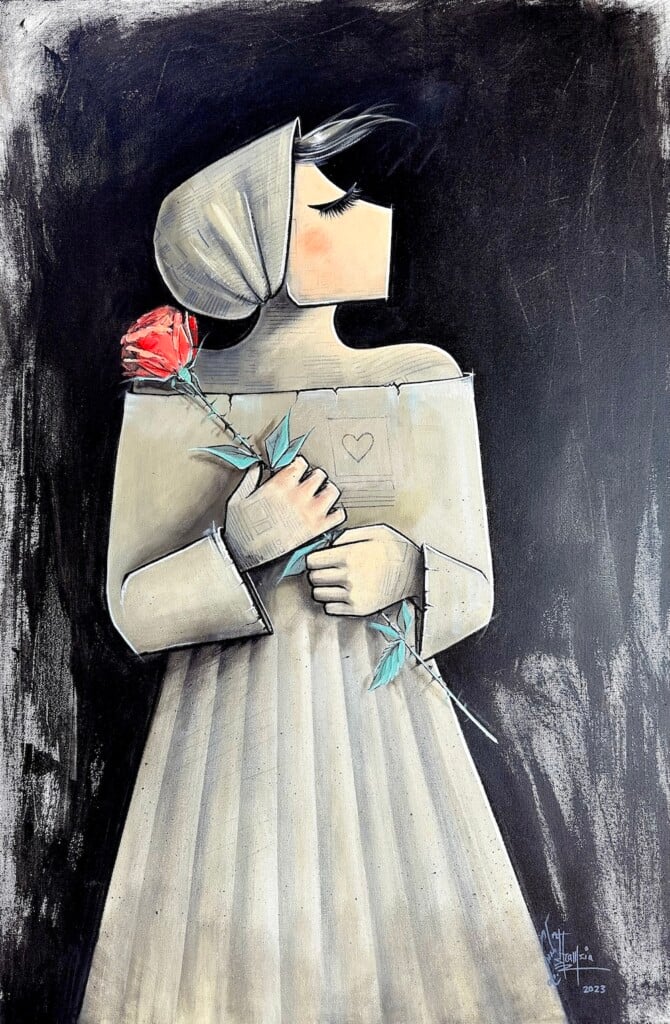
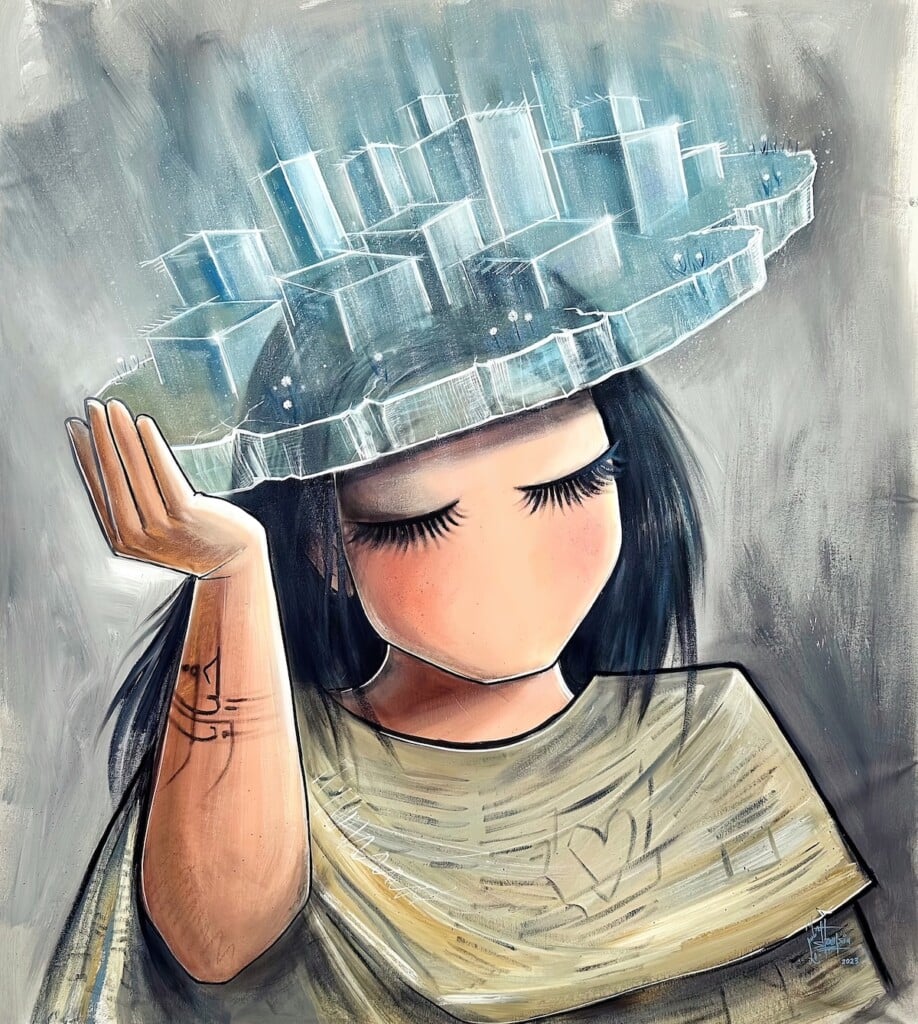
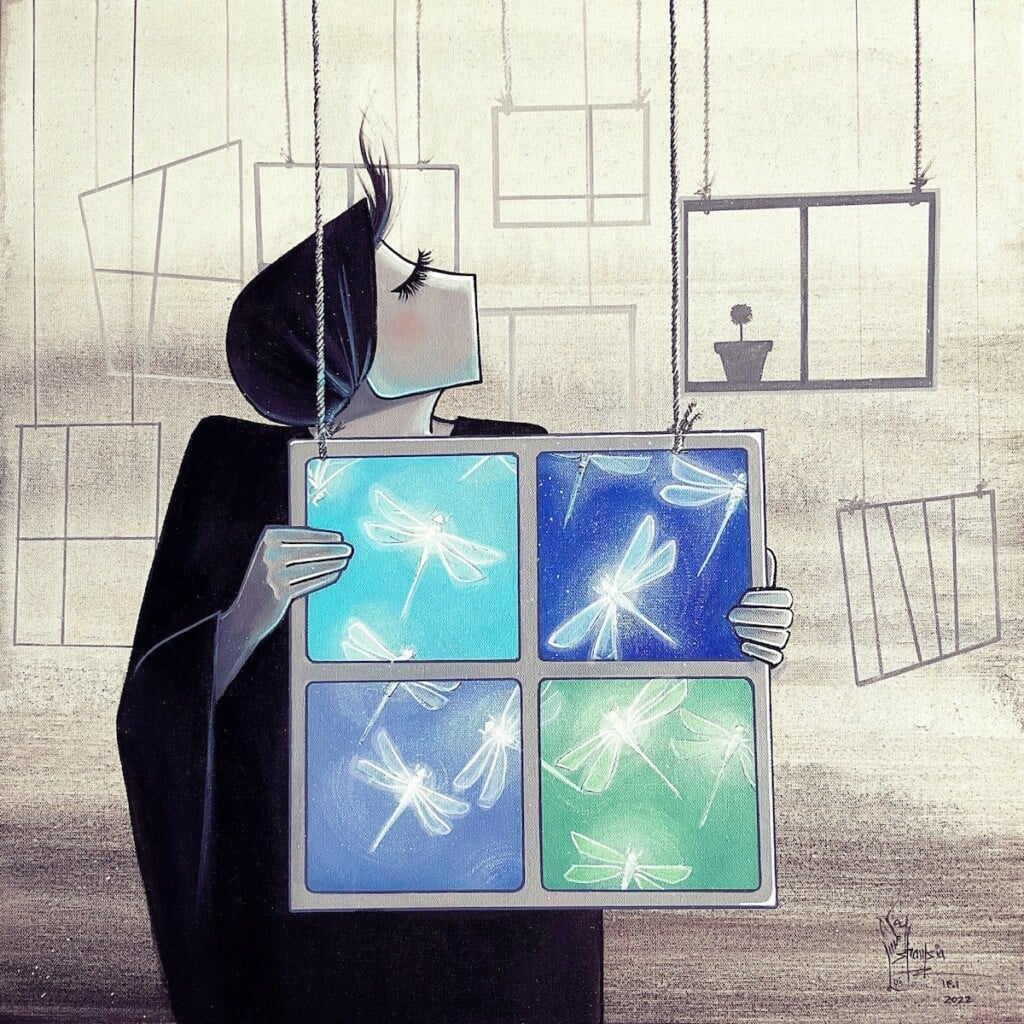
Shamsia Hassani’s voice doesn’t shout, it shows. It’s written on the walls. It vibrates through color, through dancing silhouettes, through her female figures with closed eyes yet filled with worlds.
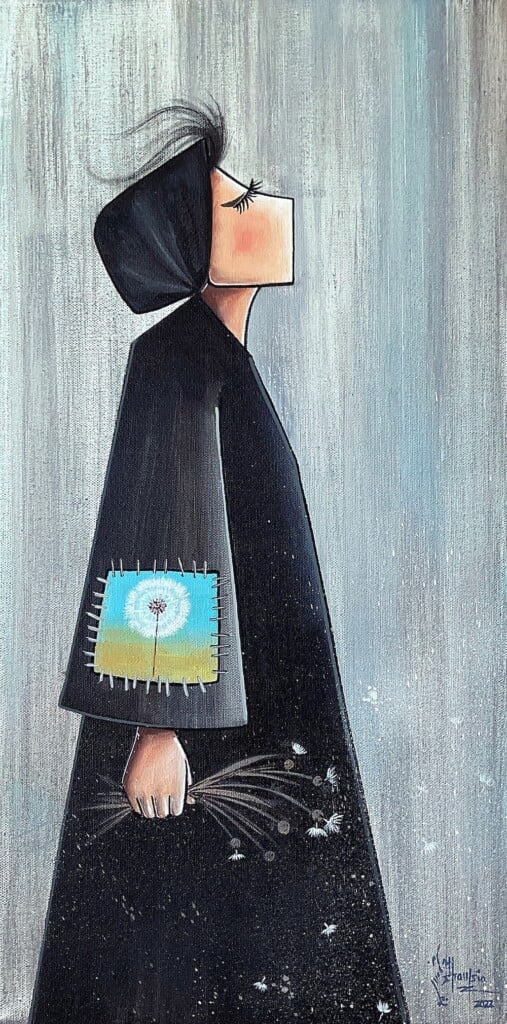
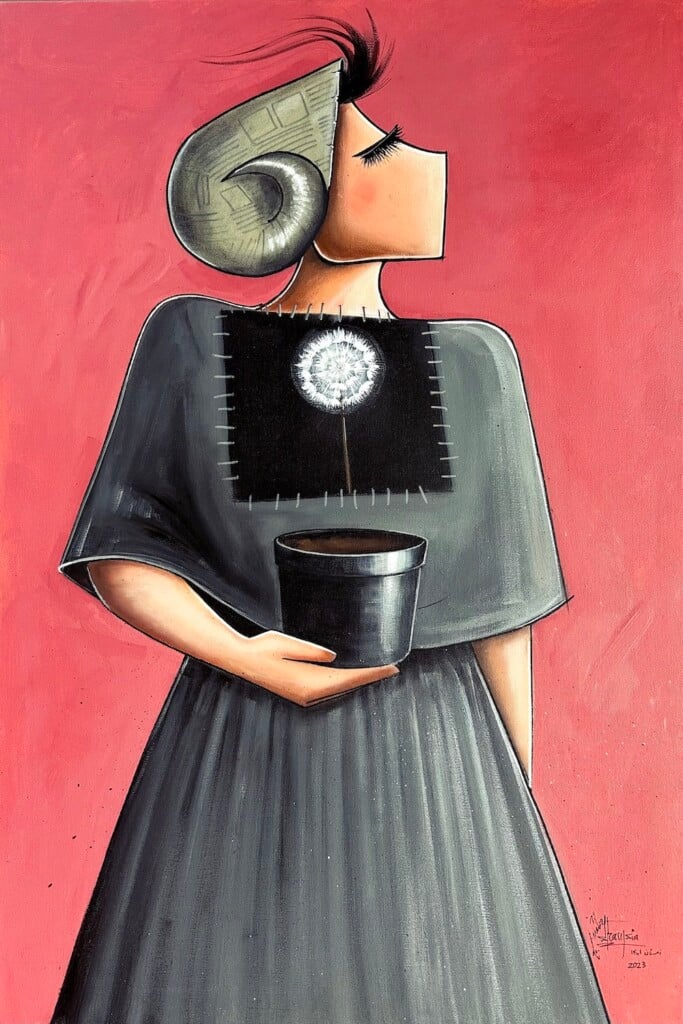
Born in 1988 in Tehran to a family of Afghan refugees, Shamsia Hassani grew up between two borders: the physical, geographical one — and the invisible one of exclusion. In Iran, she was denied access to artistic education. Only upon returning to Kabul, in 2005, could she finally claim her dream.
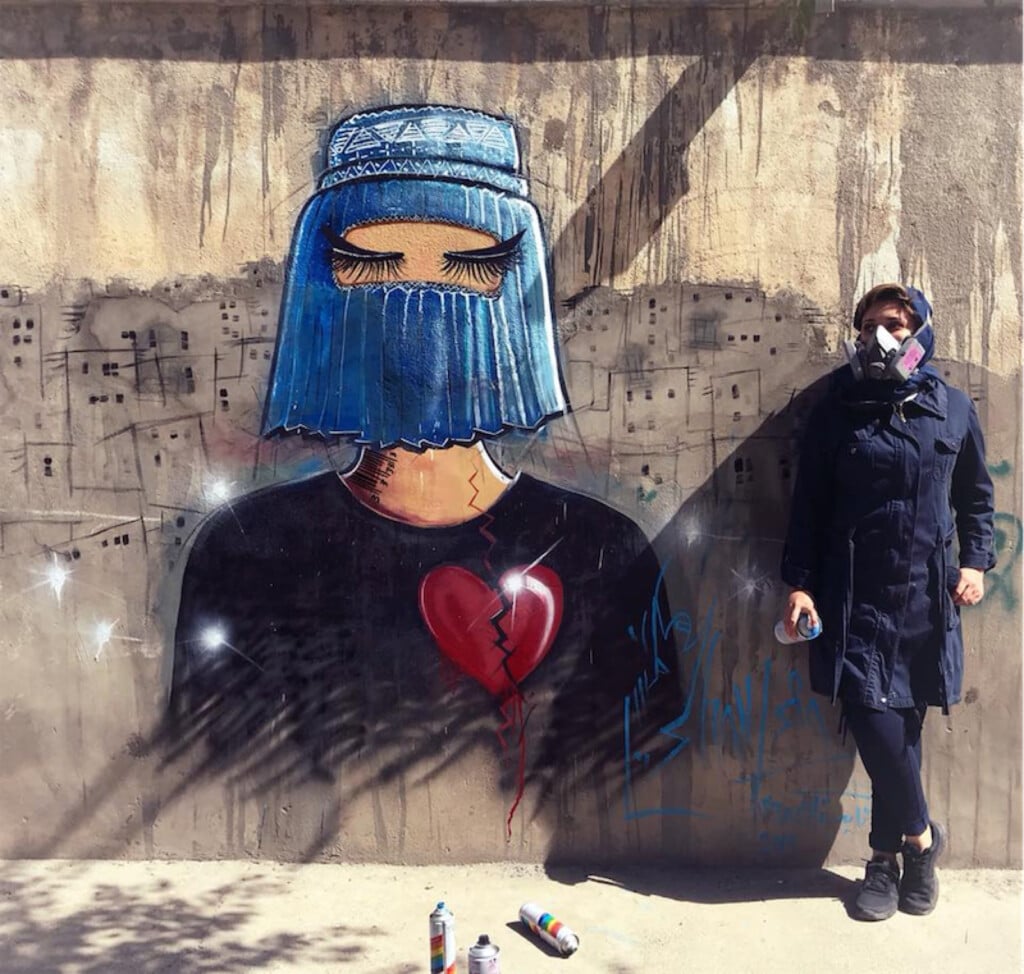
From that moment on, her name began to appear, signed in spray paint, on the wounded walls of Afghanistan — a country suspended between reconstruction and repression. But also in international galleries, from Berlin to London, from Delhi to New York. Everywhere, her murals are not just works of art — they are acts of resistance.
In a country where being a woman is often already a form of dissent, Shamsia Hassani chose the street. Literally. To give Afghan women space again — a face, a presence. Her female figures are not victims: they are strong, proud, present. Wrapped in stylized burqas, they seem to dance among the ruins, reclaiming the right to beauty, to freedom, to dream.
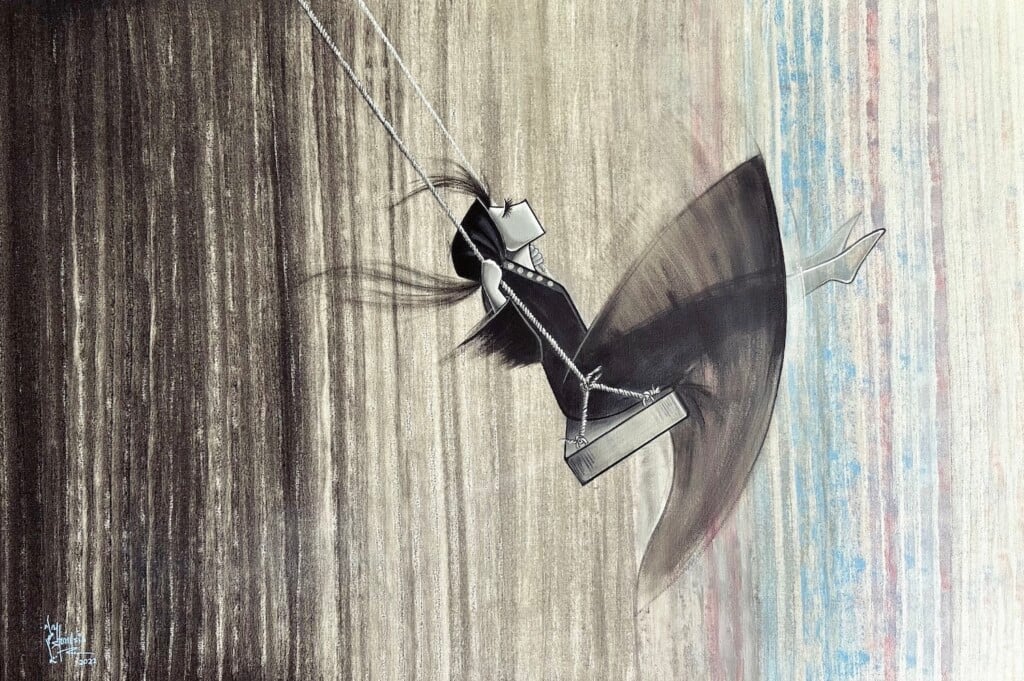
This May, the DCG Contemporary London gallery dedicated a solo exhibition to her work — an opportunity to reflect not only on the power of her visual language but also on the role that art can, and we believe must, play within any society.
Thanks to this occasion, we had the honor of asking Shamsia a few questions — discovering that her words are as alive as her murals, as powerful as her story.
How did you start doing street art in such a challenging context like Afghanistan? Is it still difficult to carry on your artistic practice today?
When I started graffiti, I believed that graffiti and colors will change the view of the city and would hide stories of war from the city’s walls. It could also be a way that people see art, people who have never been to an exhibition and have never seen original artworks. I know that the audience of street art is all people, whether they like it or not, they see the mural and it becomes part of the city and people’s daily life. After a while, it will be in people’s minds and will not be forgotten. This is how art indirectly affects society, “Art changes people’s minds and people change the society.” However, the big size of a painting on the wall brings more attention and no one can ignore it. I still paint, whether at my studio or different mural project worldwide.
Have you ever feared for your safety because of your artistic work?
Yes of course. Being a girl in a society full of social issues and between close minded people, I always feared for my safety. On the other hand, the uncertain political situation added to my fears. Making art in public in such a situation was not easy at all. While I don’t live in Afghanistan anymore, I still remember the days when I hurried to finish a mural, due to the security situation in my country. I would spend minutes to complete murals, not hours, just to avoid any unwanted attention. This caused many of my murals in Afghanistan to remain uncomplete. Due to lack of time and the security situation, I would always try to create smaller murals (on small walls) and avoid larger walls.
Do you believe art can help change the condition of women in your country? And more broadly, in your opinion, what should the role of the artist be today?
As an artist I am not the one who can bring a lot of changes, but I work to satisfy myself that I was not silent and I did my best. If my work brings even 1% positive change or a second of hope to people, I am working for that 1% and one second. My goal is to give a moment of sympathy, empathy and hope to my audience. With the content of each piece that I create (women, human, people who live in war and conflict), I want to remind the world to not forget about them. to not forget about us.
When you started out, who were your role models? Were there any artists who inspired you? Or more generally, are there people who continue to inspire you today?
There are many artists that I admire, but I always get the inspiration from my society and what is happening all around the world. The subject of my paintings is about us and our destiny; about the women and people who live in difficult conditions in Afghanistan, and also about those who unwillingly left their homeland and soul in Afghanistan and migrated, like me!
I feel people’s pain who are in a similar situation, and I know the words of their hearts. The unspeakable things that are better expressed with paintings and images and will definitely be more effective.