What is art, and who decides?
It’s the question that has followed contemporary art since the early decades of the twentieth century, and it continues to fuel debate over the very concept of the artwork. The works that matter are often uncomfortable ones, works that challenge the viewer’s gaze and convictions, that put common sense into question. But there is a point where that challenge stops being legitimate. Perhaps it’s the moment when the work violates someone else’s fundamental rights and principles.
Street photography lives exactly on this border, and a recent case has made it evident. A photographer active in Milan spent years collecting thousands of stolen shots of unaware women, going as far as photographing anatomical details — images first shared in a private chat among friends, then gathered into a book that was celebrated at the time by newspapers and magazines. All of it, until a public complaint. The question that case leaves us with doesn’t concern only one author, but an entire photographic genre. What really distinguishes street photography?


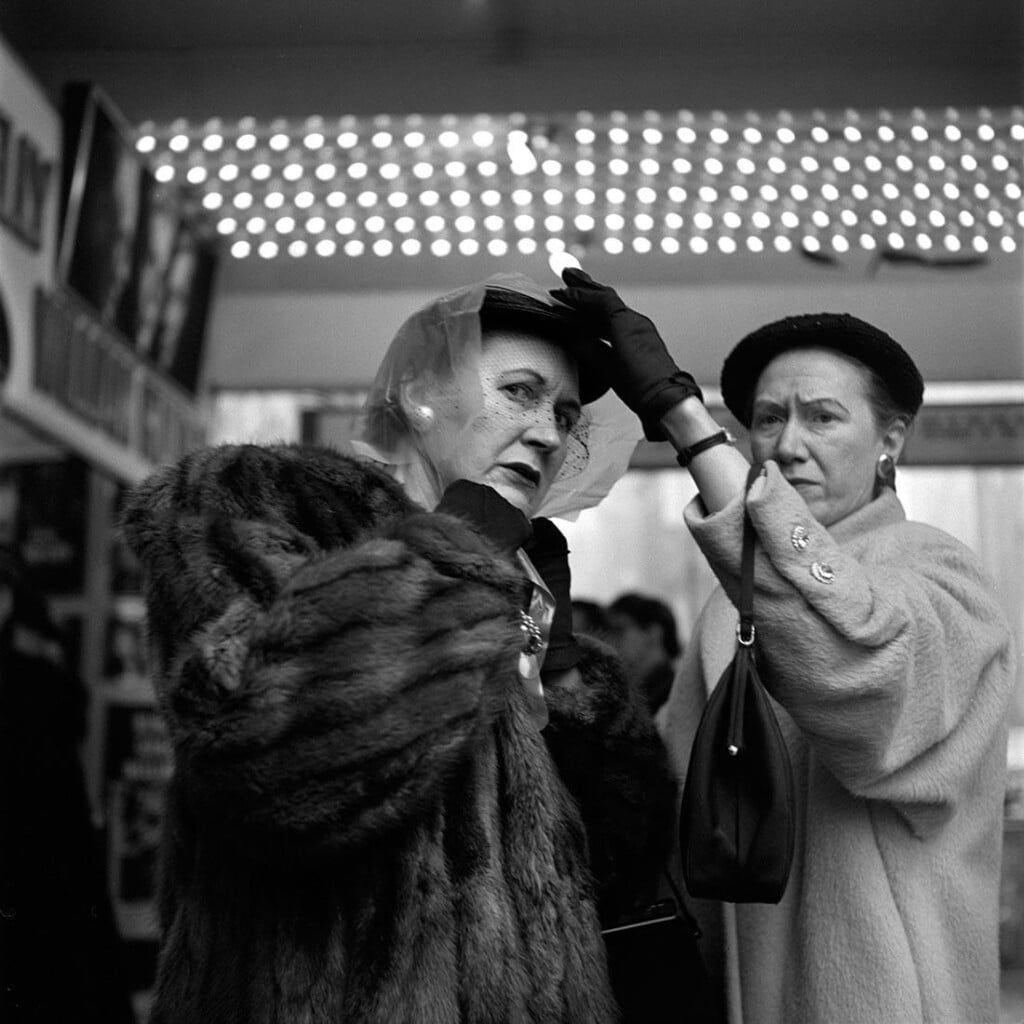
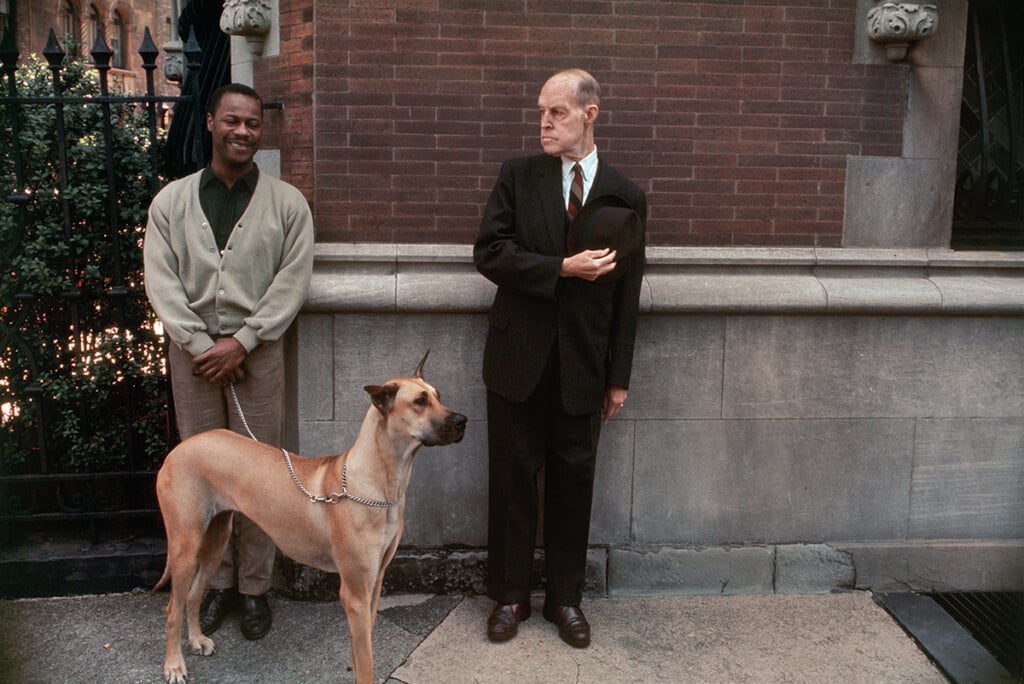
It isn’t consent. Henri Cartier-Bresson hid his Leica under a handkerchief, Walker Evans photographed New York subway passengers with his lens tucked into his coat, Garry Winogrand crossed forty years of American streets without ever asking anyone’s permission. Vivian Maier left behind a hundred thousand negatives of strangers who never knew they had become photographs. Street photography is born as a cross-section of everyday life, it immortalizes subjects and places that usually go unnoticed and that are often the most authentic, and it almost always does so without the knowledge of whoever ends up in the frame. That’s its founding condition.
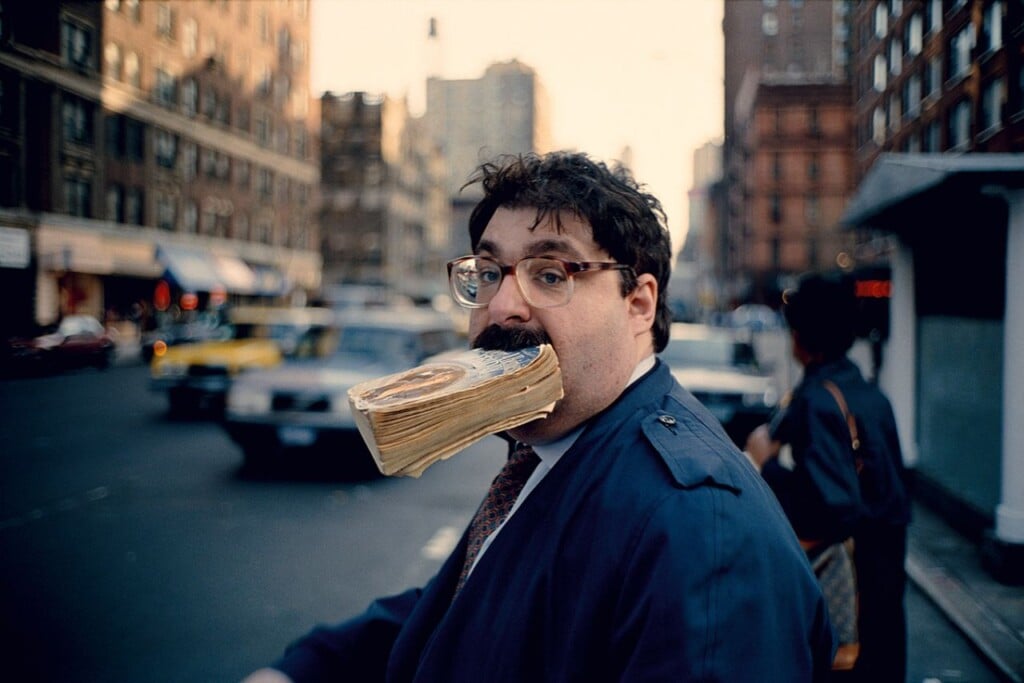
So even the most respectful, best-intentioned, aesthetically flawless photograph remains an appropriation of someone else’s image. Someone takes something that isn’t theirs — another person’s face and instant — and turns it into their own work. The law has known this for a long time. When Philip-Lorca diCorcia exhibited the portrait of a passerby photographed without his knowledge in Times Square, the subject — an Orthodox Jewish man who, for religious reasons, refused to have his image reproduced — took him to court. The New York State court ruled in diCorcia’s favor, and the judge determined that the photograph was a work of art. But the fact that the law absolves it doesn’t mean the appropriation disappears. It only means we consider it an acceptable price to pay in exchange for something else.

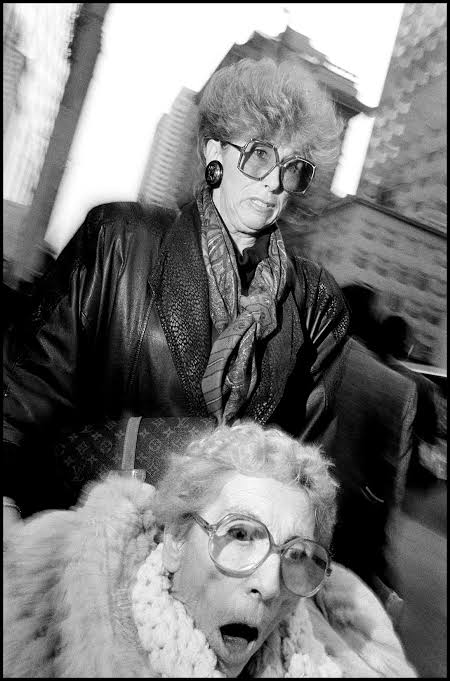
Perhaps this is where the boundary begins to take shape. The difference doesn’t lie in the presence or absence of consent, which is almost always missing, nor solely in the author’s intentions, which remain invisible within the image and unverifiable for whoever is photographed. It lies in what the image gives back of its subject. Bruce Gilden, who has spent decades photographing New York passersby with his flash fired straight into their faces, is brutal, invasive, questionable — and yet his photographs give back whole people, presences that occupy the frame with the full weight of their existence. The best street photography doesn’t use people as objects of desire or ridicule, it represents them in their complexity, it preserves their dignity and context. The fragmented body, reduced to an anatomical detail, collected in series and circulated like a trophy, belongs to a different practice, one with a precise name that isn’t street photography. It’s voyeurism, it’s vanity, consumption of another person’s body, a loss of humanity — and its logic is the same as that of the chats where images of unaware women get traded among strangers, even when an artistic frame later tries to dignify it.

Italian law draws a similar line. The civil code and copyright law forbid publishing someone’s portrait without consent, with exceptions tied to public notoriety, public interest, and cultural or artistic purposes — but the exception falls away when the image damages the person’s dignity. In other words, the law doesn’t ask photography to be harmless. It asks it not to humiliate.
So where does street photography end? It doesn’t end where consent ends. It ends where the subject stops being a person and becomes a victim. It’s an extremely thin line, renegotiated with every single shot.
In her essay collection On Photography, writer and philosopher Susan Sontag writes that “to photograph is to appropriate the thing photographed.” No shot is innocent, not even the most respectful one. But then she adds, “To take a photograph is to participate in another person’s mortality, vulnerability, mutability.” To participate, not to take advantage. That’s the whole difference.



This article was produced in collaboration with Luigi Falanga and Gaia Forlin aka @super8otto.