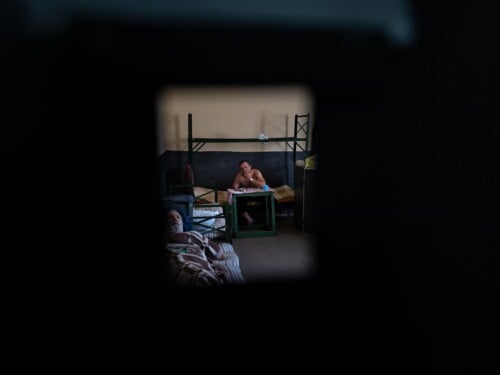
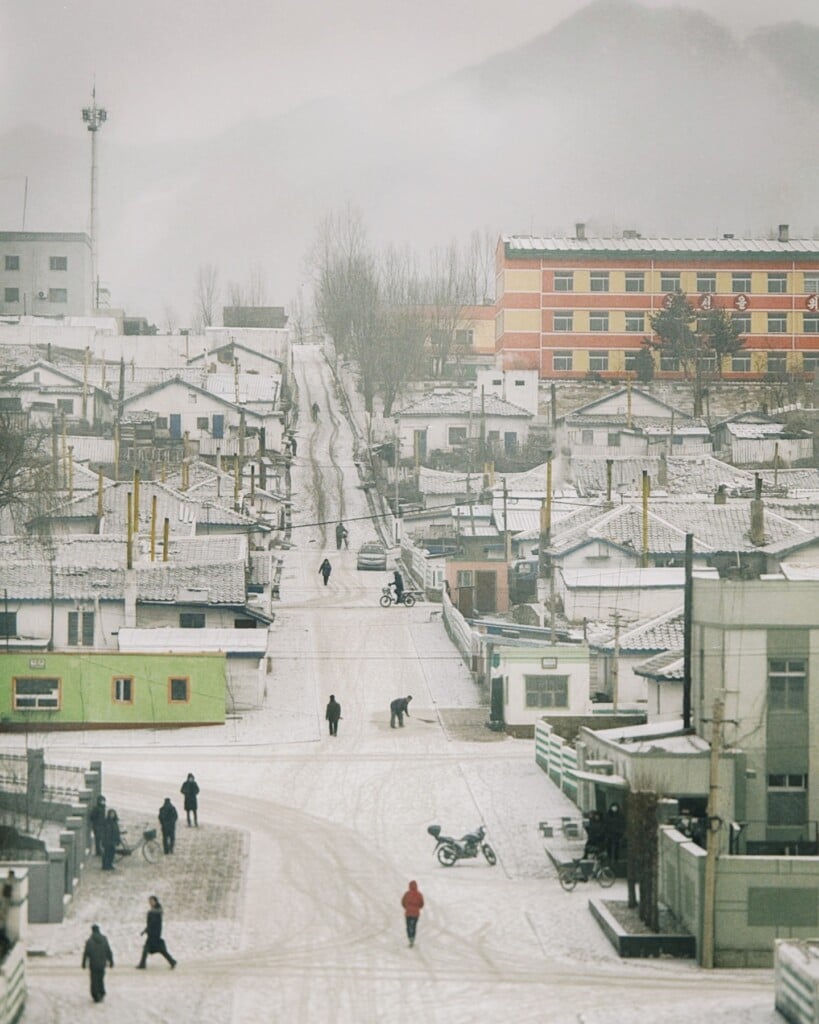
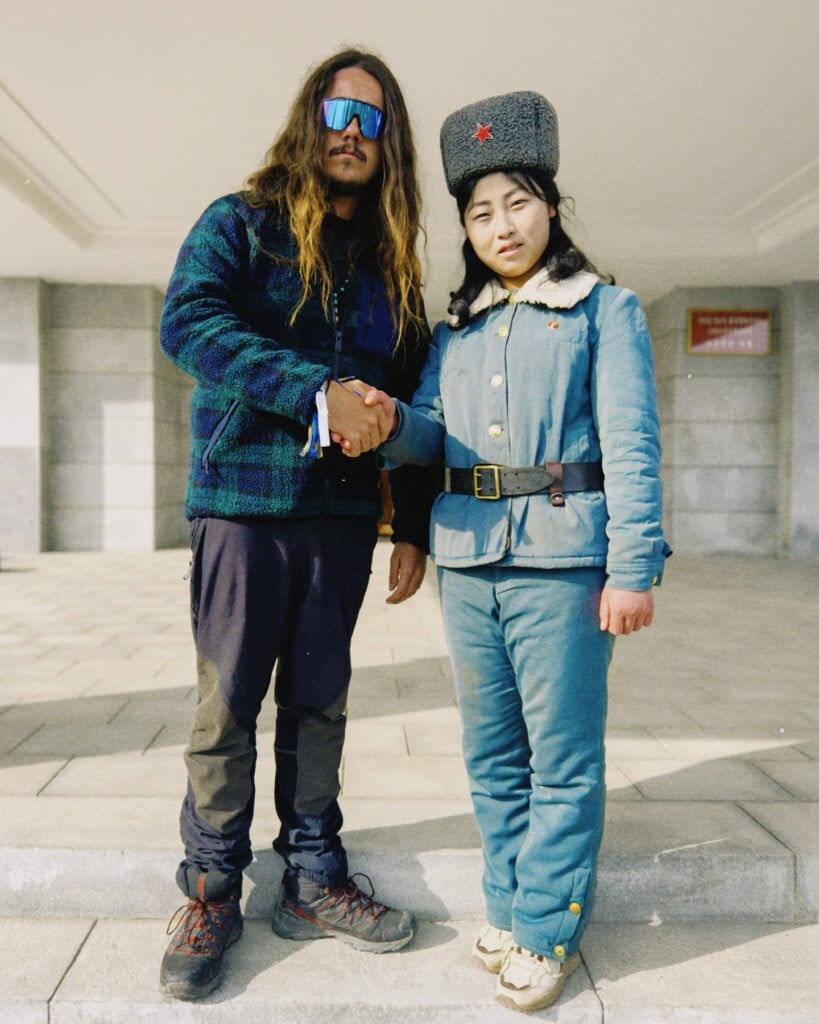
Rarely has an Italian photographer had the opportunity to explore one of the most closed-off and mysterious regions in the world. Yet Nicolò Balini – YouTuber, videomaker, and photographer – managed to do it. On one of his latest trips he went to North Korea, to the city of Rason, a special zone on the border with China and Russia. A place where every move is monitored and every itinerary is defined in advance, but where, despite everything, Nicolò managed to capture fragments of reality that seem to belong to a perfectly constructed simulation.
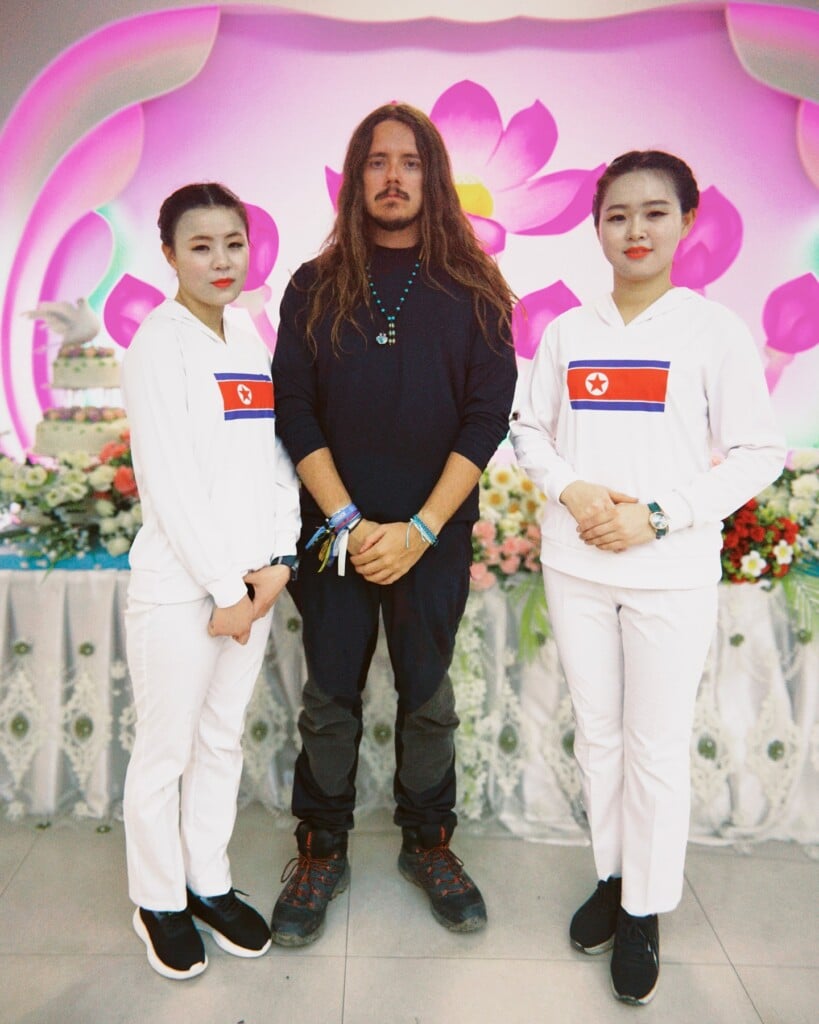
In a context made of rigid borders and apparent freedoms, every shot becomes a conscious choice. His photographs—and the videos that accompany them—don’t simply show what is visible, but what is permitted to be shown. As he himself recounts, one of the most recurring phrases during the trip was: “we were not allowed to film”.
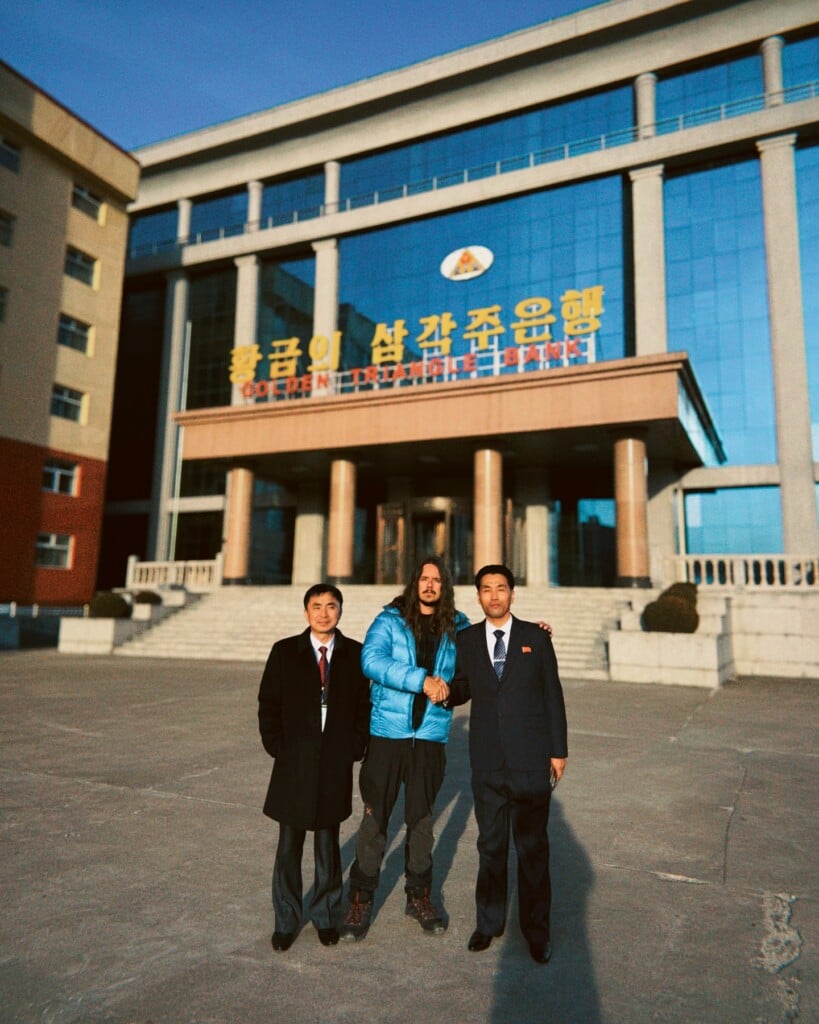
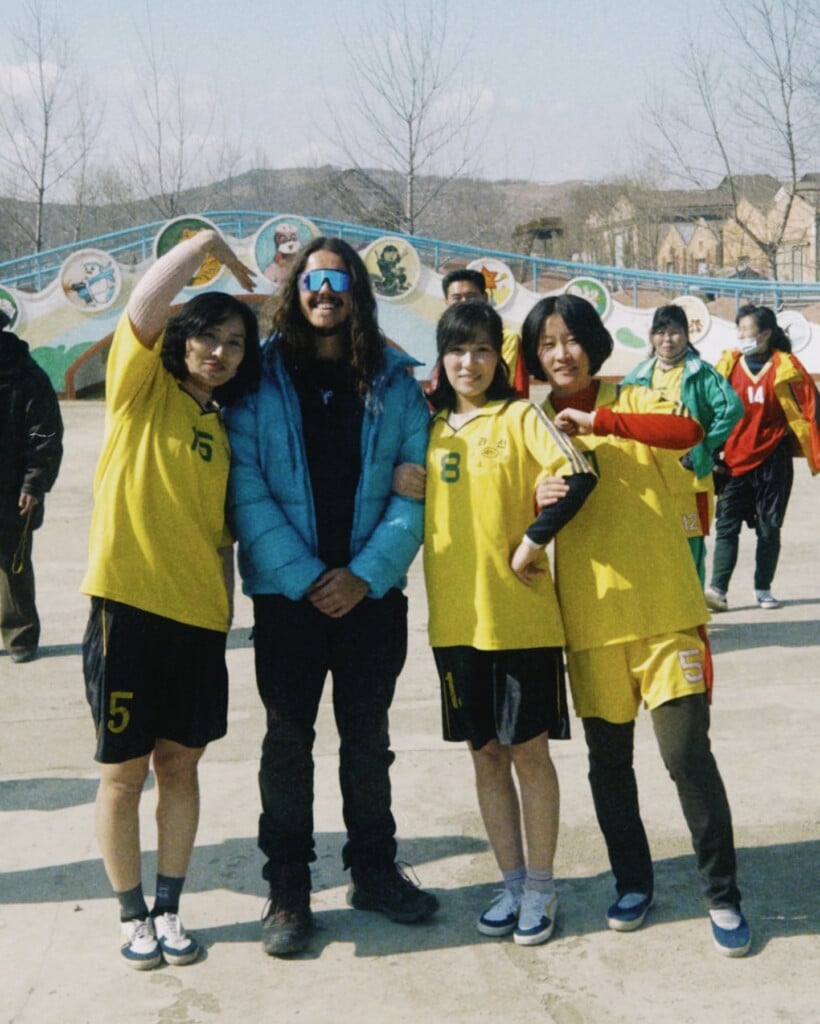
In North Korea, every image is a political act. Upon leaving the country, the authorities check and censor photos and videos, deleting anything that doesn’t fit the official narrative. The deserted streets, the geometric squares, and the propaganda billboards are not mere backdrops, but elements of a grand set, built to be observed only from a precise angle.
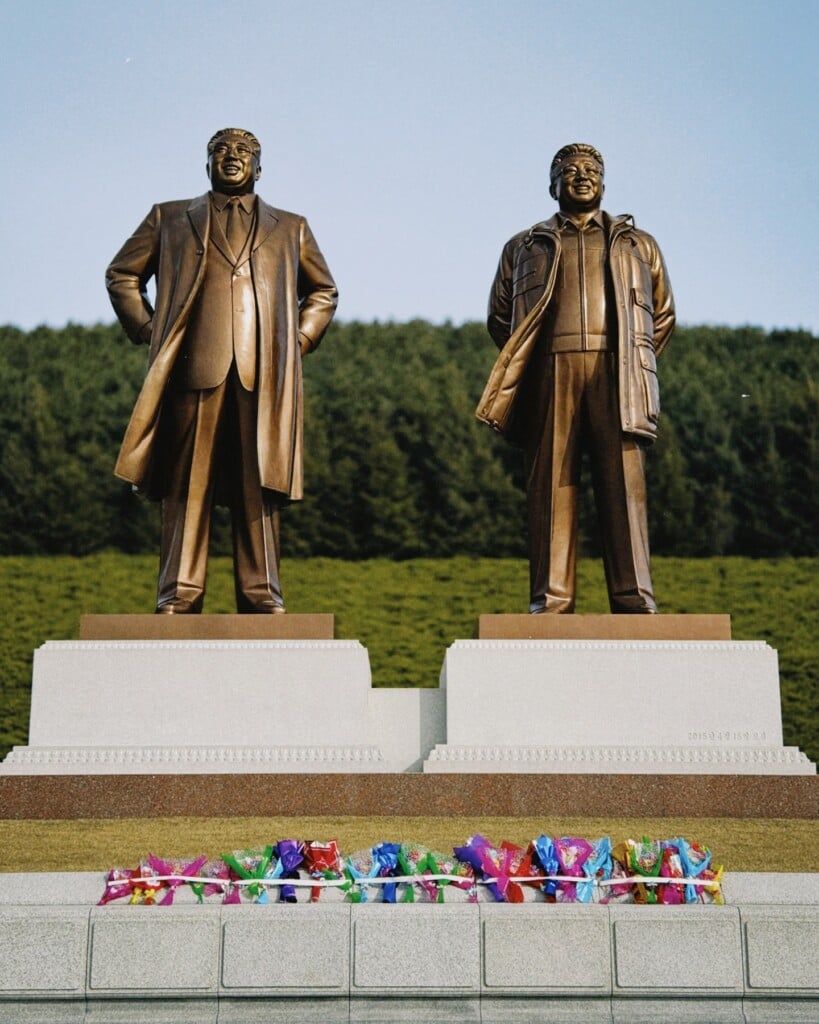
During his stay, Nicolò also attended a children’s theater show. Apparently innocent, the show turned out to be an exercise in propaganda: in his account, Balini explains how, compared to the previous week, the images of the performance had been modified. In the first version, missiles and military references were clearly visible; in the second, after the clips had gone viral on YouTube, the scenes were replaced with more neutral versions, cleaned up and “presentable” to the eyes of the world. A clear example of how visual storytelling in North Korea is constantly being rewritten, adapting to the audience and the needs of the regime.
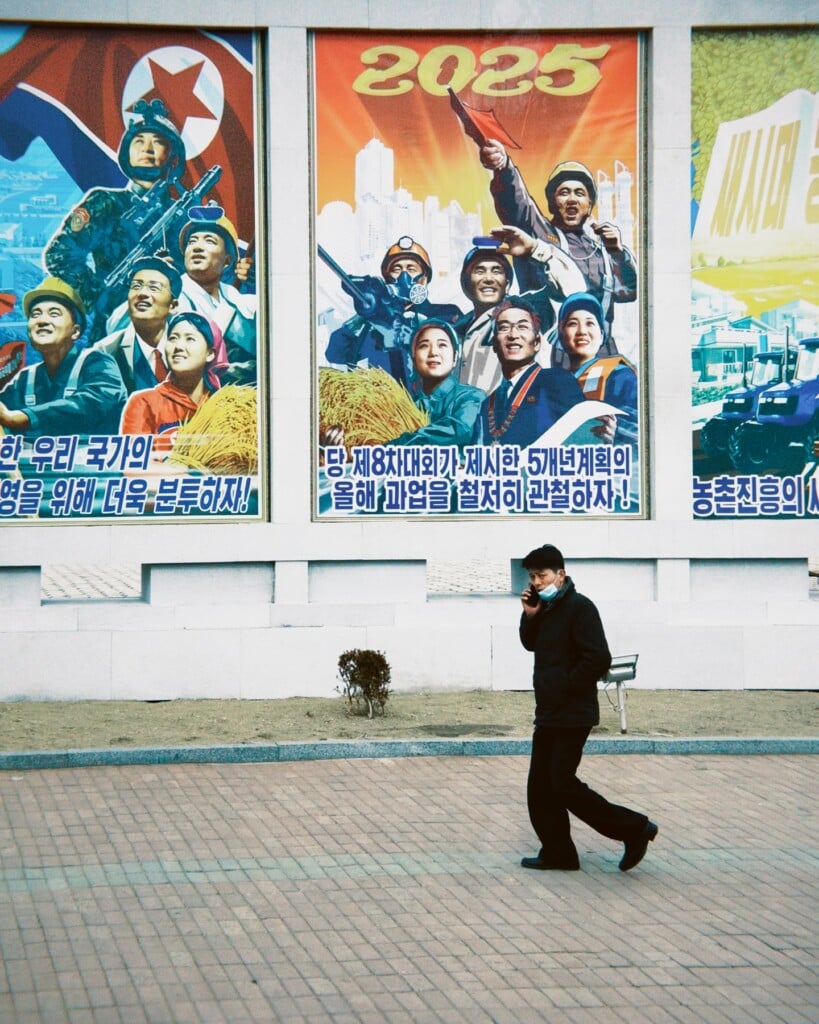
Through this journey, Nicolò enabled millions of Italians to look inside the simulation, offering a rare and personal point of view on a complex reality. Forced to move within rigid limits, he showed his ability to transform censorship into visual language, giving the public a story made of suspension, waiting, and curiosity.
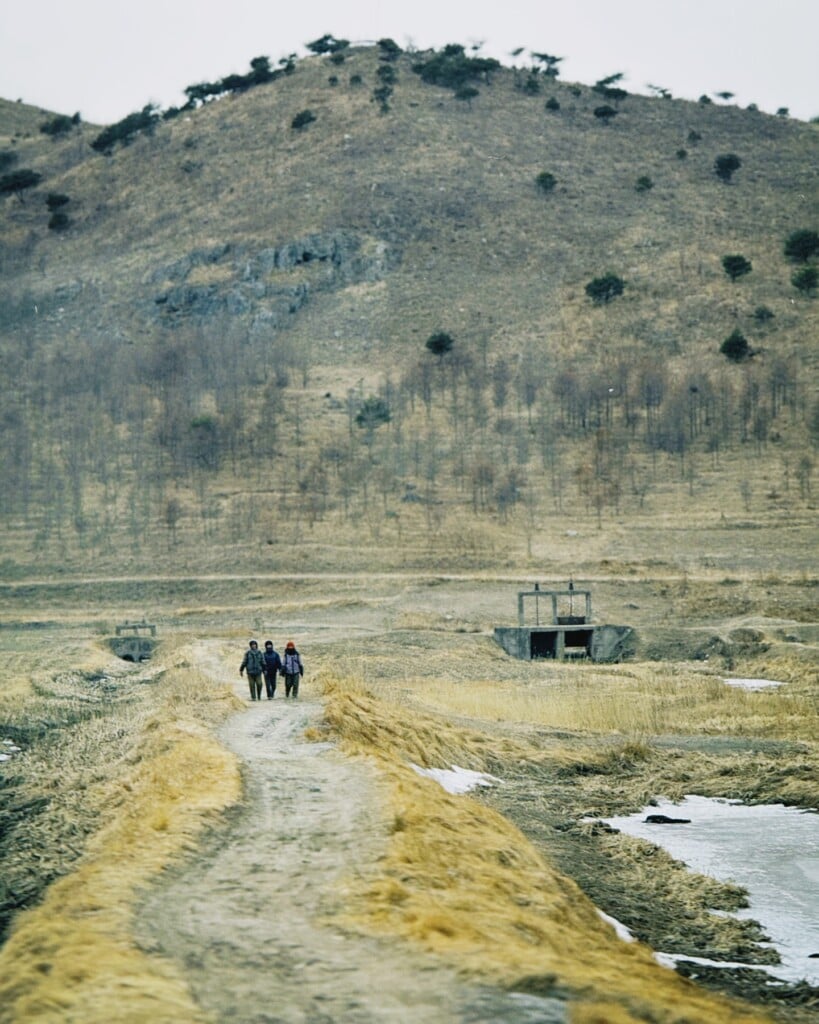
His photographs, shared on Instagram, amplify this feeling of a distorted reality: images that oscillate between documentary and staging, accompanied by a caption taken from The Truman Show:
“And in case I don’t see you, good afternoon, good evening, and good night.”
A quote that encapsulates the essence of the journey—the feeling of being watched inside a constructed reality, where everything is controlled yet the human gaze still seeks authenticity.
In his account, Nicolò Balini doesn’t just show a country: he invites us to reflect on how much of our own world, at times, resembles a perfect fiction.
This article was created in collaboration with Luigi Falanga aka @super8otto.